LANCÔME – pink hybrid tea rose – Delbard
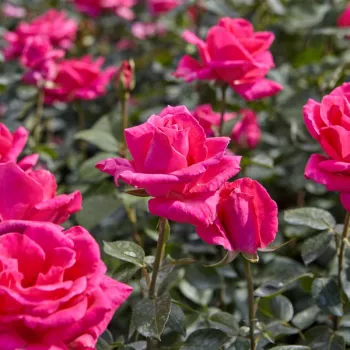
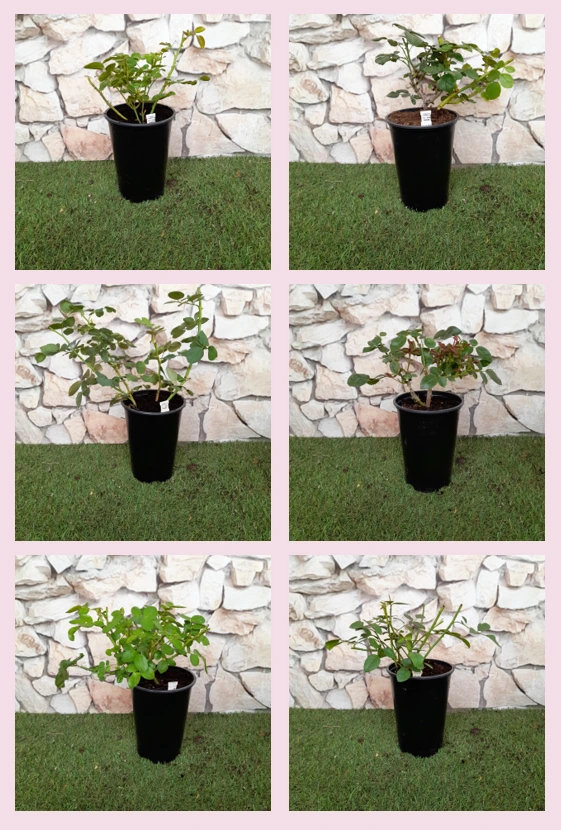
Bring a hint of Riviera glamour to a breezy British coastal garden with LANCÔME, a compact hybrid tea rose that suits small plots and sun-warmed verandas as well as classic borders. Its upright, moderate height and tidy spread slip easily into family spaces where you want maximum effect from minimum fuss, while its healthy dark green foliage gives reassuring all-season structure. Large, high-centred blooms in rich fuchsia-pink open repeatedly through the season, their mild fragrance adding a light, cosmetic-like note that feels right at home beside sea kale, Festuca and lavender in a shingle-style setting. Bred for strong disease resistance, this own-root plant offers long-term reliability, quietly rebuilding from the base if weather or life gets in the way of perfect pruning. You benefit from an easy-going routine in the first years – roots in year one, generous new growth in year two, and full ornamental presence by year three – with naturally firm anchoring that copes well with typical coastal winds and exposed family plots.
Usage options
| Target area | Reasoning |
|---|
| Coastal veranda container (40–50 litre) |
The compact, upright habit fits neatly into a single generous pot, giving you classic hybrid tea blooms at eye level for seating areas. Own-root resilience means the plant ages slowly and recovers well after windy spells, suiting time-poor coastal homeowners and beginners. |
| Small front garden focal point |
Used as a specimen near the door, its high-centred fuchsia flowers create a refined, “everyday luxury” accent without dominating a modest plot. Low maintenance needs suit busy households who want impact from one carefully chosen rose, ideal for style-conscious homeowners. |
| Mixed coastal border with perennials |
In a sunny, reasonably drained strip with sea kale, Festuca and lavender, the rose provides vertical structure and colour from late spring onwards, complementing silver foliage and grasses. Its stable, own-root framework copes well with brisk, salty breezes typical of coastal gardens. |
| Family sitting area wind-filter hedge |
Planted in a short row at recommended spacing, the upright, moderately dense growth works as a soft visual screen that still lets light through, while anchoring well so plants stay steady when exposed to gusts from the sea, convenient for relaxed family evenings. |
| Cutting patch for home bouquets |
The classic, high-centred hybrid tea form and long, straight stems lend themselves naturally to cutting, giving you vase-quality flowers without buying bunches. Repeat flushes keep stems coming over the season, rewarding hobby florists and enthusiastic collectors. |
| Refined “girly” terrace planting |
The vivid fuchsia-pink, slightly softening as blooms age, pairs beautifully with pastel accessories, pale decking and shingle, creating a feminine, seaside-tea atmosphere. Its manageable size works well on compact terraces, appealing to urban balcony and veranda owners. |
| Low-input rose bed for beginners |
Reliable disease resistance and modest care demands mean less spraying and fewer complex jobs, so you mainly deadhead and water in dry spells. Own-root growth builds a durable framework over the years, a good match for new gardeners wanting confidence-building success. |
| Feature rose in heavy-clay family garden |
Planted into a well-prepared, free-draining pocket within heavier soil, it offers strong, upright growth that anchors itself well over time, remaining steady in winter wet and coastal winds. Once established, it integrates smoothly into practical, low-fuss family borders. |
Styling ideas
- Coastal-Couture – Set in a shingle bed with sea kale and blue Festuca around a white bistro set to echo its fuchsia blooms – for veranda owners who want a chic, seaside salon feel.
- Doorstep-Debut – Plant a single specimen in a tall 50-litre container by the front door, underplanted with soft pink pelargoniums – for homeowners seeking a simple but polished welcome.
- Tea-and-Roses – Arrange three plants behind a low bench with lavender edging for scent and colour during afternoon tea – for families who relax outdoors but prefer low-effort care.
- Ribbon-Border – Thread LANCÔME through a narrow border with airy grasses and pale salvias to create a vibrant pink “ribbon” of blooms – for gardeners wanting structure in small spaces.
- Cutting-Corner – Dedicate a sunny corner with a grid of plants at cutting distance, backed by Italian clematis on a trellis – for hobby florists who like home-grown, elegant stems.
Technical cultivar profile
| Parameter | Data |
|---|
| Name and registration |
Hybrid tea rose, registered as DELboip and marketed as Lancôme Hybrid tea rose DELboip; ARS exhibition name Lancome, part of the hybrid tea exhibition and cut-flower category. |
| Origin and breeding |
Bred by Georges Delbard in France (1973) from Dr. Albert Schweitzer and complex Meilland lines; introduced by Delbard/Georges Delbard SA in 1986 for European ornamental and cutting use. |
| Awards and recognition |
Recognised on the show bench with honours including Hamilton Pacific Rose Bowl Trophy 2008, Milwaukee English Box 2000, and King of Show at the New England Rose Society Show 1999. |
| Growth and structural characteristics |
Upright plant, around 80–105 cm high and 50–70 cm wide with moderately dense, dark green, slightly glossy foliage; sparsely thorned stems that suit family gardens and easy handling. |
| Flower morphology |
Medium-sized, fully double blooms with 26–39 petals, usually borne singly on stems; classic high-centred, pointed hybrid tea form, remontant with a notably abundant second flush of flowers. |
| Colour data and phenology |
Vibrant fuchsia-pink blooms, darker in buds and at petal bases, softening to pale raspberry pink in strong sun; colour retention moderate, giving a gently evolving look across the flowering period. |
| Fragrance and aroma |
Light, mild fragrance of classic rose character, present but not overpowering, offering a subtle, cosmetic-like note that suits seating areas, doorways and balconies where strong scent is not desired. |
| Hip characteristics |
Hip set is generally limited by the full double flowers, but where formed they are small, ovoid, orange-red hips around 10–14 mm, adding minor late-season interest without creating self-seeding issues. |
| Resistance and winter hardiness |
Rated H7 and USDA Zone 6b, tolerating approximately −21 to −18 °C; good resistance to powdery mildew, black spot and rust, with moderate heat tolerance and watering needed during dry spells. |
| Horticultural recommendations |
Best in sunny positions with improved drainage, at 50–90 cm spacing depending on use; suitable for beds, hedging, specimen and large containers, with low maintenance and periodic deadheading. |
LANCÔME Hybrid tea rose DELboip offers compact elegance, repeat flowering and dependable disease resistance in a long-lived own-root form; a thoughtful choice if you want refined colour with uncomplicated care.