LAVENDER LASSIE – park rose in pink-lilac shades - Kordes
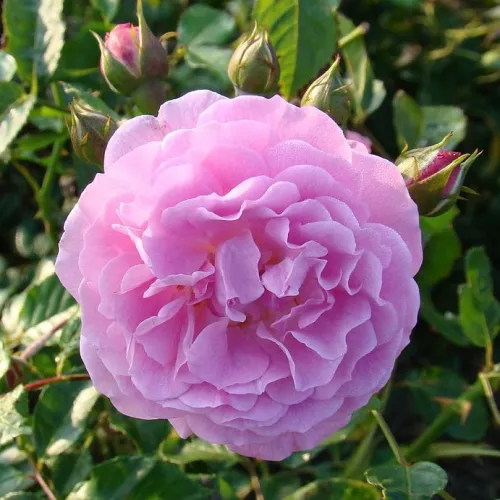
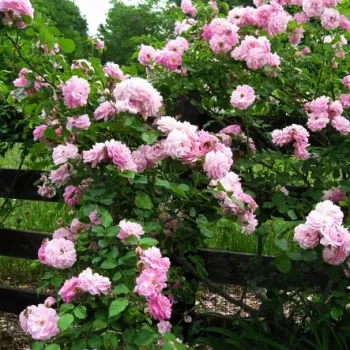
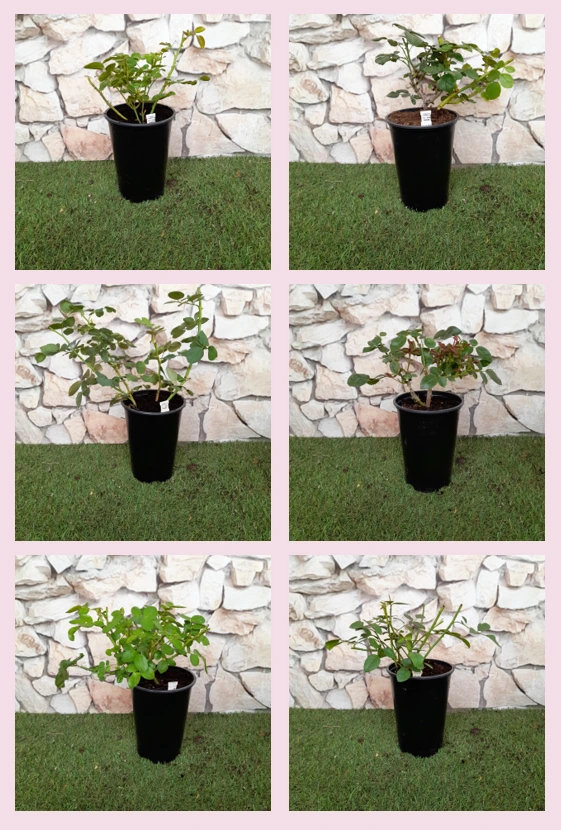
Imagine pausing for afternoon tea behind a living windbreak of lavender blooms, their musky sweetness drifting in from the garden after a breezy walk collecting seashells. LAVENDER LASSIE is an easy-going shrub rose that suits typical UK family plots, especially in coastal areas where you want a rose that feels relaxed yet reliable, coping steadily with brisk seaside air and the need for good drainage and firm anchoring in heavier soils. Semi-double, cupped clusters in soft pink-lilac shades flower in generous flushes, while dense, glossy foliage builds a graceful green screen behind seating areas or along shingle paths. Grown on its own roots, it is bred for a long life in your garden, capable of regenerating from the base and holding its ornamental value with modest care: in the first year it concentrates on roots, in the second on strong leafy shoots, and by the third year it settles into full character and repeat flowering, creating a quietly romantic, salty, windy, sunny mood on your coastal veranda or terrace retreat.
Usage options
| Target area | Reasoning |
|---|
| Coastal veranda container (40–50 L+) |
A deep, 40–50 litre container allows LAVENDER LASSIE to root strongly and form a stable, medium-tall presence that softens wind-prone corners while needing only straightforward watering and occasional feeding, suiting busy beginners. |
| Small family garden focal point |
Its arching, bushy habit and large, fragrant clusters in pastel mauve-pink give high impact from a single plant, providing a romantic focus by a bench or play lawn without demanding advanced pruning skills, ideal for the relaxed homeowner. |
| Informal coastal hedge or wind-filter |
Planted at about 100 cm intervals, the dense foliage and bushy framework link to form a permeable hedge that filters wind rather than blocking it, well suited to breezier, heavier-soil plots where good drainage and firm anchoring matter for the practical gardener. |
| Repeat-flowering mixed border |
Strong remontant flowering gives generous early summer bloom followed by a reliable second flush, extending colour in mixed borders with perennials so the display keeps going through the school holidays for the enjoyment of the whole family. |
| Fragrant seating nook or tea corner |
The strong, sweet musky fragrance carries well on still evenings, so placing it near a sheltered seating area or veranda rail brings scent close to where you relax with tea or read, rewarding the time-pressed urbanite. |
| Part-shade side return or courtyard |
LAVENDER LASSIE keeps its colour best out of harsh midday sun, so partial shade along a side path or courtyard wall suits it perfectly, giving soft, cool-toned flower clusters where other roses might fade, reassuring the cautious beginner. |
| Low-maintenance own-root planting |
As an own-root shrub it builds a durable framework that can regrow from the base if cut back by weather or time, maintaining shape and flowering with simple yearly pruning, suiting long-term planners and low-fuss gardeners. |
| Romantic “girly” coastal-style scheme |
The delicate pink-lilac tones and cupped clusters combine beautifully with sea kale, silver grasses and lavender for a breezy, feminine look that echoes Cornwall or Devon shingle gardens, perfect for coastal-style lovers. |
Styling ideas
- Veranda Breeze – Place in a 50–60 L tub with silvery Festuca and sea kale to frame a sheltered seating corner, using its bushy screen and fragrance to soften wind for coastal veranda owners.
- Girly Drift – Underplant with Alchemilla mollis and pale wallflowers for a pastel, “girly” shingle look that feels romantic yet informal, suiting those who prefer soft, cottage-style colour.
- Tea Corner – Train lightly against a pergola post near a bistro set so musky fragrance and pastel blooms surround your tea break, ideal for homeowners creating a calm retreat.
- Part-Shade Glow – Use along a part-shaded side path with dark-green shrubs to let the lavender-pink clusters stand out, a good option for small gardens with limited full sun.
- Easy Hedge – Plant in a loose row at 100 cm spacing to form an informal flowering hedge that filters wind and needs only simple annual trimming, perfect for low-maintenance family plots.
Technical cultivar profile
| Parameter | Data |
|---|
| Name and registration |
Lavender Lassie is a shrub rose from the Park - shrub rose collection, classed as a Hybrid Musk garden rose; an unregistered cultivar used under its well-established commercial and exhibition name. |
| Origin and breeding |
Bred by Reimer Kordes in Germany in 1956 from ‘Hamburg’ × ‘Madame Norbert Levavasseur’, introduced in 1960 via W. Kordes’ Söhne and distributed by Roy H. Rumsey Pty. Ltd. in Australia. |
| Awards and recognition |
Received a Trial Ground Certificate from the National Rose Society in the United Kingdom in 1959, recognising its garden performance and ornamental value under trial conditions before wider release. |
| Growth and structural characteristics |
Forms a bushy, moderately thorny shrub 150–230 cm high and 90–150 cm wide, with dense, glossy dark green foliage and good self-cleaning of spent flowers, suitable for hedges, beds or specimen use. |
| Flower morphology |
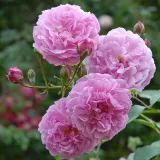
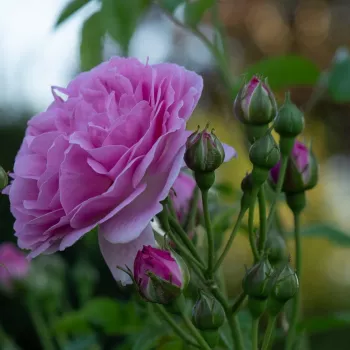
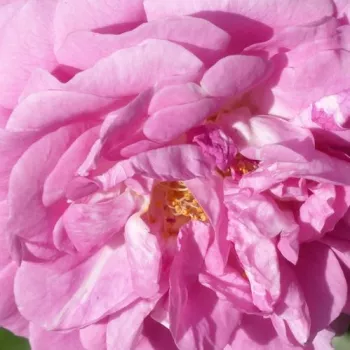
Bears medium-sized, semi-double, cupped blooms with 13–25 petals in large clusters; strongly remontant with an abundant second flush that follows the main early summer flowering under normal care. |
| Colour data and phenology |
Delicate pastel mauve-pink with lilac undertone, ARS code m, RHS 65C outer and 65D inner; colour holds best in partial shade and may fade in strong sun, with petal edges gradually lightening over time. |
| Fragrance and aroma |
One of the more scented shrub roses, with a strong, sweet musky fragrance that is long-lasting around seating areas; semi-double formation limits pollen access so pollinator attraction is only moderate. |
| Hip characteristics |
Occasionally forms small, ellipsoidal orange-red hips about 10–14 mm across; not a notably heavy fruiting variety but hips can add a light seasonal accent in late summer and autumn when present. |
| Resistance and winter hardiness |
Hardy to approximately -26 to -23 °C (RHS H7, Swedish zone 4, USDA 5b); disease resistance is moderate, with some susceptibility to powdery mildew, black spot and rust under high-pressure conditions. |
| Horticultural recommendations |
Best at 100–110 cm spacing in hedges or mass plantings, 180 cm as a specimen; tolerates partial shade, prefers regular watering in dry spells, and generally needs only medium, routine maintenance. |
LAVENDER LASSIE offers repeat pastel flowering, strong musky scent and a durable own-root shrub form that settles in for years of low-fuss structure and colour, making it a thoughtful choice for relaxed coastal and family gardens.