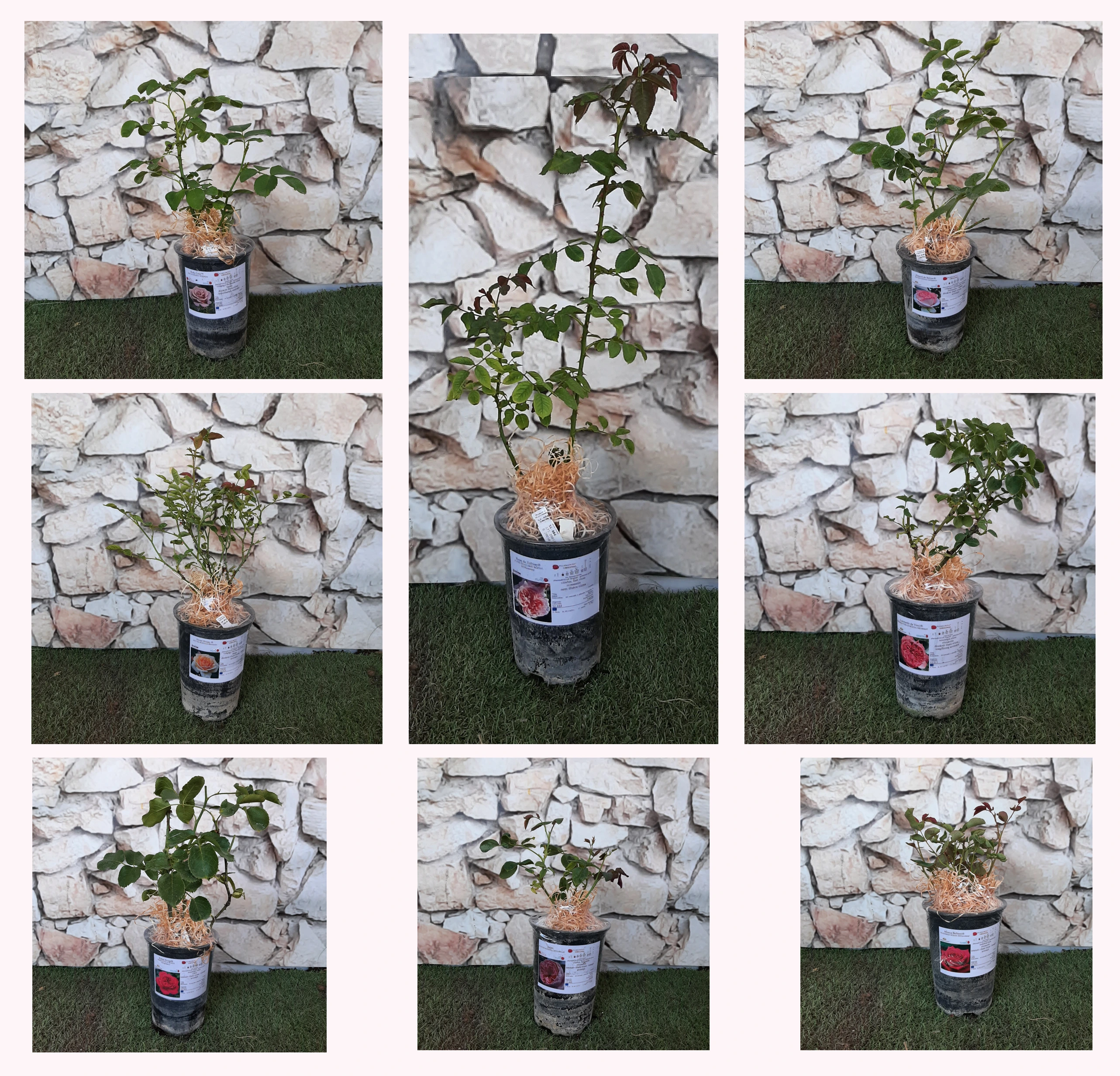
LAVENDER PINOCCHIO – purple bedding floribunda rose - Boerner
Imagine a sheltered coastal corner where you can enjoy afternoon tea behind a low rose windbreak, as the breeze drops after a walk collecting seashells. Lavender Pinocchio settles in calmly, its own-root system building stability and ensuring a long, reliable life with little fuss. Its bushy, compact habit and soft purple clusters suit modest family plots as well as smart coastal verandas, coping well where strong winds meet careful drainage and firm anchoring in heavier soils. Over time you will see roots in the first year, stronger shoots in the second and full ornamental impact by the third, with semi-double blooms that repeat generously for an extended flowering season. In a 40–50 litre pot or a neat front-of-border band, this quietly elegant rose offers easy-care beauty without demanding expert skills.
Usage options
| Target area | Reasoning |
|---|
| Coastal veranda container (40–50 litres) |
Performs reliably in a generous pot, its compact, bushy form staying balanced in breezy conditions while the own-root system thickens and regenerates over the years; well suited to time-poor balcony and veranda owners who enjoy easy-care. |
| Small family front garden bed |
The moderate height and dense foliage create an orderly, colourful strip without blocking windows, giving months of lavender-purple clusters with only occasional pruning and pest checks; ideal for busy households who still appreciate ornament. |
| Low coastal windbreak and path edging |
Forms a low, bushy hedge that slows salty winds once planted into well-drained but firm soil that offers good anchoring in exposed sites, making it a practical choice for coastal-style lovers seeking protection. |
| Informal shrub border in clay-based soil |
Tolerates typical British heavy garden soils when drainage is improved, its own-root vigour helping it establish steadily and maintain shape, offering a forgiving option for novice gardeners who value long-term reliability. |
| Mixed purple and silver “girly” shingle planting |
The softly shifting lavender tones combine beautifully with silvery and pastel companions in shingle or gravel, delivering a romantic yet tidy look that suits coastal shingle gardens owned by those who enjoy relaxed colour. |
| Cutting patch for casual arrangements |
Clustered, medium-sized blooms on a compact framework allow frequent cutting without spoiling the plant, providing classic, mildly scented stems for the house and suiting home florists who appreciate versatility. |
| Family play garden backdrop |
Moderate thorns and medium height make a readable, manageable backdrop that children can learn around without dominating the space, while repeat flowering adds interest across the holidays for families prioritising gentle structure. |
| Long-season feature near seating |
Repeated flushes of semi-double flowers provide evolving colour from bud to fade, with a light, classic fragrance close to benches or patios, suiting homeowners who want extended bloom with minimal upkeep. |
Styling ideas
- Shingle Chic – Plant in a pale gravel strip with dwarf silver artemisia and low grasses for a breezy, seaside feel – for coastal-style enthusiasts wanting feminine softness with little maintenance.
- Veranda Trio – In a 50 litre container, underplant with trailing thyme and soft blue fescue for a neat, wind-resilient pot – for balcony and veranda owners looking for long-lived, easy structure.
- Lavender Ribbon – Create a low front-of-border ribbon, echoing tones with lavender and threadleaf coreopsis – for beginners who want instant coordination without detailed planning.
- Classic Bed – Mass-plant at recommended spacing for a traditional floribunda bed with strong colour blocks – for homeowners seeking simple, high-impact planting along drives and paths.
- Cutting Corner – Group several plants near a terrace, mixing in soft shrub herbs for casual cutting and scent – for hobby florists who like to pick uncomplicated, garden-grown stems.
Technical cultivar profile
| Parameter | Data |
|---|
| Name and registration |
Lavender Pinocchio is a floribunda bed rose, registered for exhibition under the same name; marketed as Lavender Pinocchio – purple bedding floribunda rose within the vivianaROSE ORIGINAL range. |
| Origin and breeding |
Bred by Eugene S. Boerner for Jackson & Perkins (USA) from ‘Pinocchio’ × ‘Grey Pearl’; introduced in 1948 as an unregistered variety that has since become a classic medium-height bedding shrub. |
| Growth and structural characteristics |
Bushy, compact shrub reaching around 100–140 cm in height with a 75–105 cm spread; moderately thorny shoots carry dense, mid-green, slightly glossy foliage, giving good ground cover and a tidy outline. |
| Flower morphology |
Semi-double, cup-shaped clusters with around 13–25 petals per bloom, medium in size; flowers repeat well, providing abundant second and later flushes on cluster stems suited to bedding or informal cutting. |
| Colour data and phenology |
Closed buds are deep lavender-purple; newly opened blooms are clear lavender, maturing through mid lilac to pale lavender-pink with a silvery-lilac sheen; colour retention is moderate, fading gently in sun. |
| Fragrance and aroma |
Blooms carry a mild, discreet perfume with a classic rose character; fragrance is noticeable mainly at close range, making it suitable near seating without overwhelming more strongly scented companions. |
| Hip characteristics |
Rose hip set is usually light due to semi-double flowers, though occasional small, spherical orange-red hips of about 10–14 mm may appear, adding modest late-season interest without heavy seeding. |
| Resistance and winter hardiness |
Rated to RHS H7 and USDA zone 6b, tolerating approximately −21 to −18 °C; disease resistance is medium to black spot, powdery mildew and rust, benefiting from routine observation in damp seasons. |
| Horticultural recommendations |
Well suited to beds and borders at 55–100 cm spacing; performs best in moisture-retentive but free-draining soil with regular feeding and occasional pest management to support continuous flowering. |
Lavender Pinocchio offers compact structure, long-season flowering and enduring own-root resilience for informal beds or coastal verandas, making it a thoughtful choice if you prefer dependable beauty with modest effort.