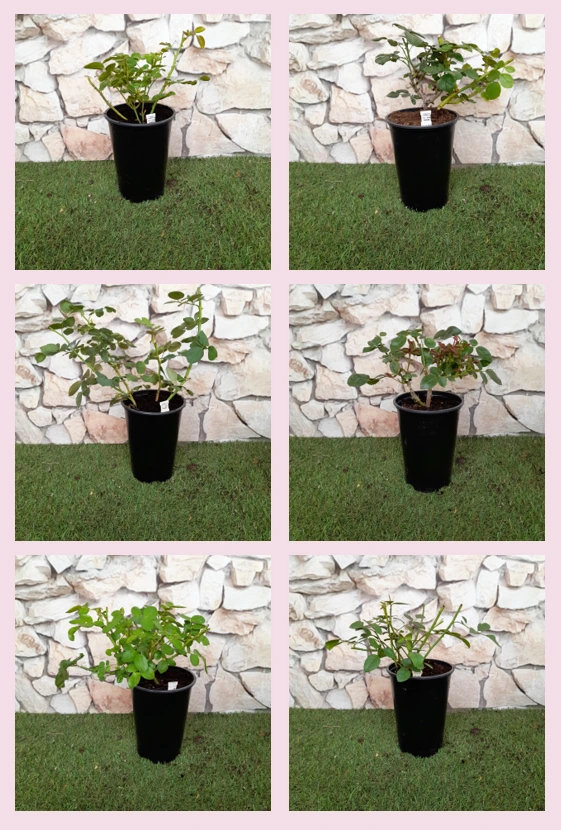
LEMON™ – creamy yellow flower-bed floribunda rose - Tanjga
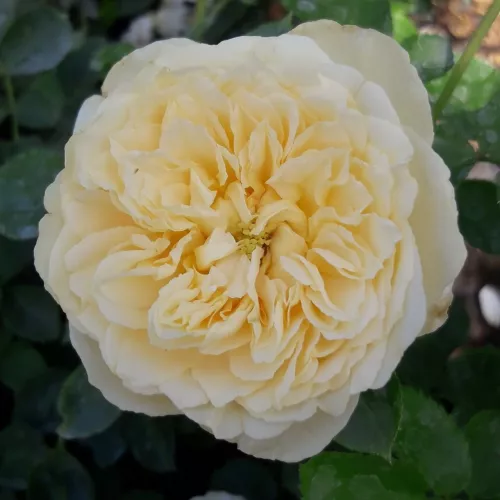
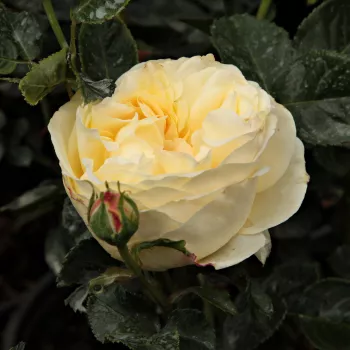
Salt‑kissed gardens need roses that combine freshness and resilience, and LEMON™ settles in quickly to create an easy, uplifting focal point even where breezes are brisk and soils need careful drainage against winter wet. Its bushy, compact habit fits neatly into small beds, shingle strips or a 40–50‑litre container on a sunny coastal veranda, rewarding you with clusters of cupped, creamy yellow blooms and a gently fruity, honeyed fragrance from early summer onwards. As an own‑root rose it offers long, steady performance with reliable regrowth and reduced replacement needs in a family garden, naturally moving from stronger rooting in the first year to fuller top growth in the second and satisfying ornamental impact by the third, without demanding complicated care.
Usage options
| Target area | Reasoning |
|---|
| Small coastal flower bed by a family terrace |
The compact, bushy habit stays within 60–90 cm, giving you a well‑defined, low hedge of creamy yellow blooms without overwhelming a modest Cornish or Devon front garden. An ideal option for beginners. |
| 40–50 litre container on a sunny veranda |
LEMON™ adapts well to large pots, where its tidy structure and repeat flowering provide a long season of colour and scent, especially when paired with low grasses or sea kale for a relaxed, seaside feel appreciated by balcony‑owners. |
| Light windbreak along a shingle path |
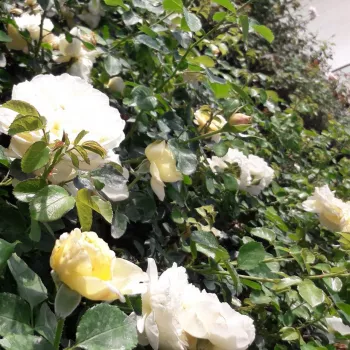
The dense foliage and moderate prickliness help define a route and slow the breeze without creating a solid barrier, suiting coastal plots that value gentle shelter more than rigid privacy, particularly for seaside‑gardeners. |
| Cutting patch for informal indoor arrangements |
Long‑stemmed clusters and very double, cupped flowers in soft lemon‑cream shades make charming, small vases; the medium, fruity‑honey fragrance adds a delicate note around the house for enthusiastic home‑florists. |
| Mixed border with perennials and grasses |
Its mid‑green, slightly glossy foliage and calm colouring blend easily with blue fescues, sea kale and lavender, providing rhythmic repeat flowering that knits the planting together through the season for style‑conscious designers. |
| Low, informal hedge along a driveway |
Regular, bushy growth and consistent flowering allow a soft edging that frames entrances without intensive clipping; own‑root stamina supports long‑term structure in everyday family spaces valued by home‑owners. |
| Coastal garden with challenging, heavier soil |
In sites where winter wet and wind can unsettle weaker plants, its manageable size and own‑root anchoring cope well when planted into improved, free‑draining soil, supporting peace of mind for busy‑gardeners. |
| Accent rose near a seating area |
The clearly perceptible, honeyed, fruity scent radiates from repeated flushes of blooms at nose height, perfect beside a bench or tea table, where its gentle character enhances everyday pauses for reflective rose‑lovers. |
Styling ideas
- Shingle‑Chic Border – Plant LEMON™ in a staggered row through coastal shingle with sea kale and blue Festuca to echo beach tones – ideal for seaside‑style enthusiasts who want structure without fuss.
- Veranda Retreat – One plant in a 50‑litre clay pot with trailing Sedum spurium softens hard paving and brings scented blooms to chair height – perfect for flat dwellers enjoying a sunny balcony.
- Cream‑and‑Lavender Mix – Combine its creamy flowers with lavender and Irish moss at the front of a mixed bed to create a calm, pastel palette – suited to families seeking a gentle, romantic look.
- Pathway Welcome – Use a pair of bushes to flank a path or steps, underplanting with low Sedum for year‑round texture – a good choice for homeowners wanting an easy, welcoming entrance.
- Cottage Cut‑Flower Nook – Group three plants in a small square bed to harvest clusters for jugs and jars indoors – appealing to hobby gardeners who like relaxed, home‑grown arrangements.
Technical cultivar profile
| Property | Data |
|---|
| Name and registration |
Floribunda shrub rose, registered as BOZvaz011; marketed as Lemon™ Art Vaza® BOZvaz011, a creamy yellow flower‑bed floribunda suited to both garden display and cutting. |
| Origin and breeding |
Bred by Biljana Božanić Tanjga for PhenoGeno Roses, with breeding work completed in 2018; parentage is undocumented, but selection focused on colour effect, floribunda habit and versatility. |
| Growth and structural characteristics |
Bushy, medium‑low shrub reaching around 60–90 cm in height and 50–75 cm spread, with dense mid‑green, slightly glossy foliage and moderate thorns giving a well‑filled yet manageable plant. |
| Flower morphology |
Large, very double, cupped blooms with more than 40 petals, borne mainly in clusters; remontant habit with particularly abundant second flush, providing repeated ornamental value through the season. |
| Colour data and phenology |
Cream‑yellow overall impression, with apricot‑yellow buds and peachy centres fading through ivory and bone white; colour retention is modest, but the soft transitions create a refined, ever‑changing display. |
| Fragrance and aroma |
Medium‑strength, clearly noticeable scent with delicately fruity, honeyed notes; primarily ornamental rather than pollinator‑focused due to the very double form and concealed reproductive organs. |
| Hip characteristics |
Occasional ellipsoid hips, approximately 10–15 mm, ripening to orange‑red; add a light seasonal accent but are not a dominant decorative feature or harvest objective in typical garden use. |
| Resistance and winter hardiness |
Rated to around −21 to −18 °C (RHS H7, Swedish zone 3, USDA 6b); medium resistance to powdery mildew, black spot and rust, best supported by good air circulation and general good practice. |
| Horticultural recommendations |
Best in full sun with improved, free‑draining soil; spacing 50–90 cm depending on role, at around 3–3.8 plants/m² for bedding; moderate maintenance with occasional plant protection where pressure is high. |
LEMON™ offers compact structure, repeat creamy yellow blooms and a gently fruity fragrance, in a durable own‑root form that suits long‑term family gardens; consider it if you prefer dependable beauty with modest upkeep.