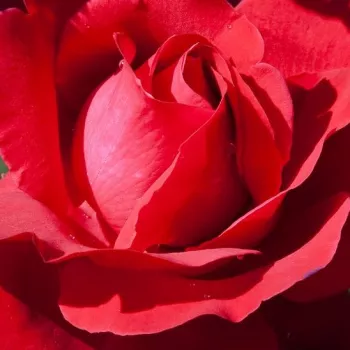
LIEBESZAUBER 91® – dark red hybrid tea rose – Kordes
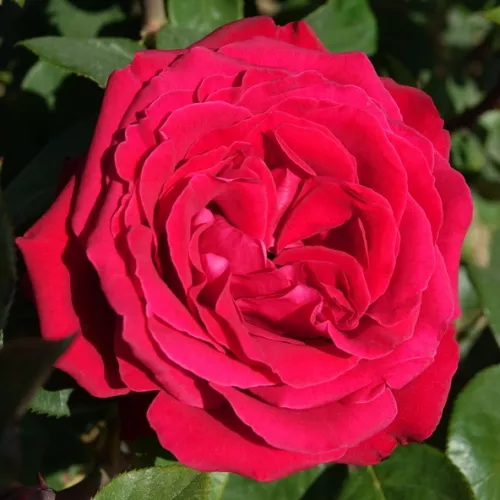
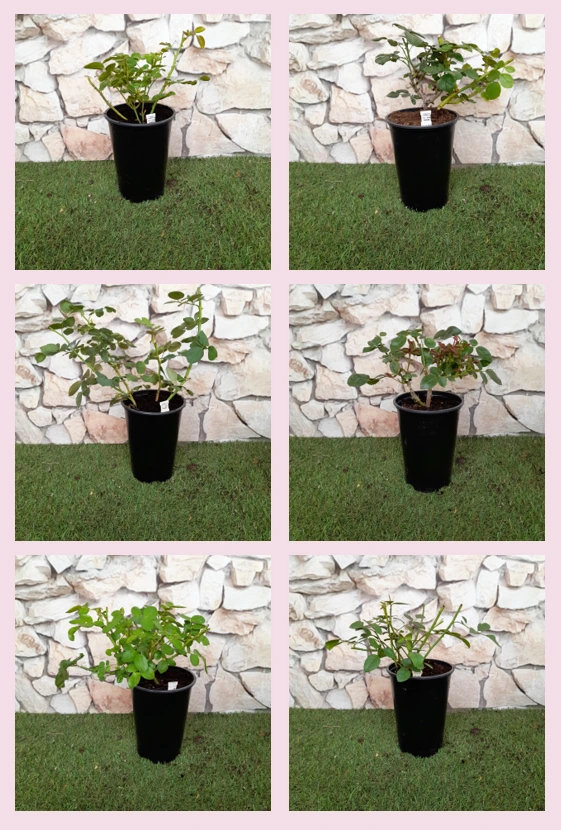
Imagine returning from the Cornish shore, hair full of salt breeze, to sit on your veranda behind a living rose windbreak, sheltered by glossy dark foliage and velvety blooms of deep, wine-red petals. LIEBESZAUBER 91® brings a classic hybrid tea silhouette to compact family gardens, coping steadily with blustery coastal weather and careful drainage on heavier soils. Its strongly remontant nature ensures long-lasting colour from early summer well into autumn, while the rich, classic rose fragrance creates a sense of quiet luxury over tea or supper outdoors. As an own-root plant, it establishes gradually: first consolidating its roots, then building sturdy shoots, before delivering full ornamental value from around the third year.
Usage options
| Target area | Reasoning |
|---|
| Coastal veranda in large containers |
Ideal for a sheltered veranda or terrace within a few streets of the sea, provided you use a minimum 40–50 litre container with free-draining compost so the roots stay secure in wind and persistent showers, creating a calm seating nook for the busy coastal homeowner. |
| Small front garden focal point |
The upright habit and large, high-centred blooms form a neat, eye-catching accent beside a front path or gate, delivering classic rose impact without needing a large bed, suiting the space-conscious town gardener. |
| Mixed border in family garden |
Placed among perennials and grasses, its dense dark foliage and repeat flowering provide structure and long-season colour, while own-root growth helps it come back reliably after a hard winter for the long-term garden planner. |
| Cut-flower row by the patio |
Bred as a hybrid tea with solitary, long-stemmed blooms, it supplies elegant, strongly scented stems for the vase over many weeks, making a productive yet compact cut-flower corner for the home flower arranger. |
| Low, fragrant wind-filter beside seating |
In a narrow strip by a bench or deck, its upright, medium-height framework and generous second flush create a semi-open screen that softens breezes and adds scent on sunny days, appealing to the relaxation-focused garden user. |
| Clay soil beds with improved drainage |
Where gardens sit on heavier soils, this rose performs well if planted slightly raised with added grit and organic matter, rewarding basic preparation with years of reliable flowering for the practical, low-fuss gardener. |
| Romantic “girly” shingle border |
Against pale shingle and coastal-style furnishings, the velvety dark red flowers look luxuriously intense, especially with silvery foliage and soft grasses, giving a subtly glamorous edge for the romance-loving stylist. |
| Specimen near bedroom or kitchen window |
Positioned where windows are opened on warm evenings, its strong, classic rose perfume and rich colour can be enjoyed indoors, while moderate maintenance suits the scent-seeking but time-poor gardener. |
Styling ideas
- Coastal Veranda Retreat – plant one rose in a 50‑litre pot with pale shingle mulch and Festuca glauca to echo sea tones – ideal for coastal veranda owners wanting a sheltered evening seat.
- Shingle Romance Strip – line a narrow shingle bed with LIEBESZAUBER 91® and low sea kale, letting the velvety red flowers glow against greys and creams – suited to lovers of soft, feminine coastal themes.
- Wind-Softened Tea Corner – place two or three plants as a loose screen around a bistro set, underplanted with Lavandula and Artemisia ‘Nana’ – for those who enjoy sheltered outdoor tea with minimal fuss.
- Cut-Flower Mini Allotment – give the rose a sunny row with Sedum spurium edging for late-season colour, ensuring straight, long stems for vases – perfect for hobby florists working with limited space.
- Evening Scent Walk – integrate along a short path with white Liatris ‘Alba’ and low grasses, so fragrance and colour build towards a bench – for gardeners who value sensory experiences after work.
Technical cultivar profile
| Parameter | Data |
|---|
| Name and registration |
Hybrid tea rose, registered as KORmiach, marketed as LIEBESZAUBER 91®; ARS exhibition name Liebeszauber, meaning “love charm” or “the magic of love” in German. |
| Origin and breeding |
Bred by Reimer Kordes at W. Kordes’ Söhne, Germany, from unknown seedling × ‘Pink Panther’; introduced and registered in Germany in 1991 by W. Kordes’ Söhne. |
| Awards and recognition |
Awarded a Fragrance Award at The Hague in 1994, recognising its strong, classic scent in international competition and confirming its value as a scented garden and exhibition hybrid tea. |
| Growth and structural characteristics |
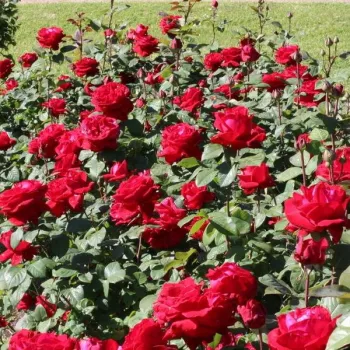
Upright bushy habit, 100–140 cm tall and 70–110 cm wide, with dense, glossy dark green foliage and moderate prickles; self-cleaning is weak, so spent blooms usually require regular deadheading by the gardener. |
| Flower morphology |
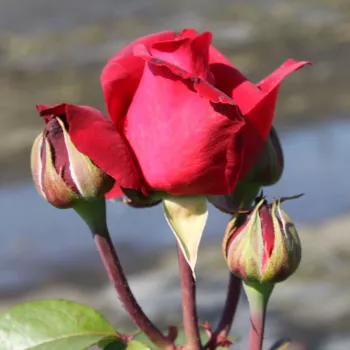
Very double, high‑centred, pointed buds in classic hybrid tea form, with 40+ petals; large blooms 7–10 cm, usually borne singly on strong stems, repeating freely with a notably generous second main flush. |
| Colour data and phenology |
Deep, velvety dark red to wine‑red; buds glossy purplish dark red, opening ruby with near‑black shading; colour lightens slightly in strong sun yet generally retains good depth and richness across the season. |
| Fragrance and aroma |
Possesses a rich, classic rose scent of strong intensity, noted in trials and exhibitions; fragrance is easily appreciated both in the garden and when stems are cut for indoor arrangements or show display. |
| Hip characteristics |
Hip set is usually limited due to very double flowers; where formed, hips are small, spherical, about 8–12 mm diameter, and orange‑red, with modest ornamental impact compared to the richly coloured blooms. |
| Resistance and winter hardiness |
Hardy to approximately −21 to −18 °C (RHS H7, USDA 6b, Swedish zone 3) with moderate resistance to powdery mildew, black spot and rust; benefits from regular watering and care during prolonged summer drought. |
| Horticultural recommendations |
Best in sunny, open positions with fertile, well‑drained soil; plant 55–100 cm apart depending on use, at about 2.5–2.9 plants/m² for groups; requires occasional pest and disease checks and routine deadheading. |
LIEBESZAUBER 91® offers velvety dark-red blooms, strong perfume and a compact, upright form on a resilient own-root framework; consider it if you wish to enjoy a long-lived, characterful hybrid tea with modest ongoing care.