Botanical rose

90-007-1
90-007-2

Rosa pimpinellifolia Mary Queen of Scots

Botanical rose

- – Robert Brown

Bright, vivid pink flower with a whitish centre and contrasting yellow stamens. - landscape shrub rose - medium-strength, noticeably scented rose - scent description not available

– Old Scottish shrub with romantic charm.
– Vivid pink blooms with soft white centres.
– Medium, noticeable fragrance in flower.
– Excellent disease and winter hardiness.
– Ideal for hedges, borders and coastal gardens.
Special feature: Striking black hips give strong autumn interest.
Style in the garden – Value-based choice
Rosa pimpinellifolia Mary Queen of Scots
vivianaROSE® ORIGINAL 2-litre own-root potted rose
21,10 £
Unfortunately, we are currently unable to ship to the United Kingdom; we only deliver to countries within the European Union. For more information, please contact us!
4 (5656)
facebook   twitter

Rosa pimpinellifolia Mary Queen of Scots – lilac-white landscape shrub rose

Bring a touch of coastal romance to your garden with Rosa pimpinellifolia ‘Mary Queen of Scots’, a characterful shrub rose that thrives with reassuring ease in everyday family spaces. Its bushy, upright structure is naturally compact and wind-firm, well suited to British gardens where blustery days meet lighter, brighter spells. In early summer it opens a cloud of semi-double blooms whose soft pink and lilac tones bleach towards a pale centre, creating a luminous display above mid-green foliage. Bees and other pollinators flock to the exposed golden stamens, adding gentle movement and life to a small coastal garden or sheltered veranda. Once the flowers fall cleanly, rounded black hips form and hold their interest into autumn, extending the season without extra work from you. As an own-root rose it settles steadily, moving from rooting in year one to building top growth in year two, and reaching its full ornamental character by year three, rewarding patient, low-input care in gardens where reliable performance matters.


Usage options

Target areaReasoning
Small coastal family garden bed The naturally bushy habit and good wind tolerance make this shrub easy to anchor in exposed, seaside plots where shelter is limited but charm is essential, combining seasonal flowers and hips with minimal pruning for beginners.
Low flowering hedge along a path Planted at the recommended hedging distance, the dense, thorny framework knits into a secure, low screen that offers a once-a-year flush of colour, followed by decorative hips, while deterring casual shortcuts for family-garden owners.
Coastal veranda in large containers In a 40–50 litre container with sharp drainage, this upright shrub gives a long-lived woody presence and a strong early-summer show, coping well with bright, breezy aspects on patios and raised decks for coastal-home gardeners.
Naturalistic, shingle or gravel planting Tolerating poorer, drier soils when watered in properly, this rose fits comfortably among sea kale, Festuca and low grasses, bringing a relaxed, semi-wild feel that suits informal schemes for coastal-style lovers.
Pollinator-friendly cottage border Semi-double, accessible blooms with obvious yellow stamens offer nectar and pollen at peak flowering, making this an easy choice where wildlife support is wanted alongside traditional cottage planting for wildlife-conscious gardeners.
Low-maintenance front garden feature With good resistance to common fungal diseases, it rarely needs spraying, and its self-cleaning flowers drop neatly before hips develop, keeping a tidy appearance beside drives and paths for busy homeowners.
Seasonal focal shrub in mixed border A once-flowering rose with a concentrated early-summer display followed by striking black hips adds rhythm to the year, giving a strong moment of interest without demanding constant deadheading from time-pressed gardeners.
Traditional-style boundary or divider Dense prickliness and upright growth create a discreet yet characterful barrier that marks boundaries while still fitting into family gardens where the wind regularly sweeps in off the sea and needs gentle management for coastal-plot owners.

Styling ideas

  • Sea-breeze hedge – line a shingle path with a loose hedge of this shrub rose, underplanted with Festuca and sea thrift for movement and texture – ideal for relaxed coastal-style gardeners
  • Veranda feature – place one specimen in a 50 litre pot with gravel mulch and a backdrop of pale timber cladding – suited to small-plot owners wanting structure without fuss
  • Cottage drift – weave three shrubs through a border of hardy geraniums and lavender for an early-summer rose wave followed by hips – appealing to lovers of traditional cottage gardens
  • Wildlife ribbon – create a curving strip behind a lawn, mixing this rose with asters and St John’s wort to feed bees and frame play space – perfect for family gardeners encouraging pollinators
  • Shingle focal point – plant a single shrub in a gravel circle edged with rounded cobbles and low grasses for sculpture and seasonal colour – designed for minimalist gardeners near the sea

Technical cultivar profile
ParameterData
Name and registration Rosa pimpinellifolia ‘Mary Queen of Scots’, a botanical shrub rose also known as Mary Queen of Scots; unregistered but historically established as a landscape and hedging rose.
Origin and breeding Historic Scottish shrub rose raised by Robert Brown and introduced by Dickson and Brown before 1803, representing traditional pimpinellifolia breeding suited to cool, maritime climates.
Growth and structural characteristics Bushy, upright landscape shrub with dense mid-green foliage and abundant prickles; naturally forms a compact, wind-firm structure ideal for hedging, borders and structural planting in small gardens.
Flower morphology Semi-double, large flowers with 13–25 petals, mostly solitary on stems; once-flowering habit with good self-cleaning, followed by rounded dark hips that carry interest well into the autumn season.
Colour data and phenology Vivid pink blooms with whitish centres and yellow stamens, RHS 62C–62D; colour softens to pastel pink and then paler white tones as flowers age, producing a gentle, harmonious early-summer display.
Fragrance and aroma Medium strength fragrance, pleasantly noticeable around the shrub in still conditions; combined with open flowers that are particularly attractive to bees and other nectar-seeking garden pollinators.
Hip characteristics Spherical, black hips about 10–15 mm in diameter, forming abundantly after flowering; highly ornamental through late season but not recommended for culinary use or other forms of consumption.
Resistance and winter hardiness Robust health with resistance to black spot, powdery mildew and rust; tolerates moderate heat and poorer soils, and is reliably hardy to approximately −34 to −29 °C (RHS H7, USDA Zone 3a).
Horticultural recommendations Suited to borders, low hedging, cottage and coastal gardens, and large containers; plant at distances from 45 to 115 cm, in well-drained soil, with regular water only during establishment and extreme drought.

Rosa pimpinellifolia Mary Queen of Scots offers low-maintenance health, strong seasonal character and enduring structure in an own-root form that settles for the long term; an excellent choice if you value quiet reliability in your garden.

Detailed product attributes

Product Identification Data

Product Name: ROSA PIMPINELLIFOLIA MARY QUEEN OF SCOTS – lilac-white landscape shrub rose - Robert Brown
Product Type: vivianaROSE® ORIGINAL - 2-litre own-root potted rose
Cultivar Authenticity: Verified:02.05.2025
Cultivar Quality Rating: premium bronze
Item Number: [1104] 90-007 (14.02.2026) vivianarose.co.uk

Name and Registration

Meaning of Cultivar Name: The name was given in honour of Mary, Queen of Scots.
Cultivar Synonym: King of Scots; King of Scotland; King of the Scotch; Large Double Two-Coloured; Large Two-Coloured; Roi d
Original Trade Name: Mary Queen of Scots
Current Trade Name: Rosa pimpinellifolia Mary Queen of Scots Botanical rose Robert Brown
Rose Group: Shrub
Commercial Type: landscape shrub rose
Commercial Group: Botanical rose
Exhibition Category: shrub rose, park rose and hedging rose
Collection: Botanical rose

Origin and Breeding

Initial Distributor: Dickson and Brown (Scotland)
Introduction Year: before 1803
Registration Year: unregistered variety
Breeder: Robert Brown
Breeding Company / Institution: Dickson and Brown (Perth, Scotland)
Breeding Year: Scotland, before 1803
Parentage: unknown

Growth and Structural Characteristics

Height: #VALUE!
Spread: #VALUE!
Growth Habit: bushy, upright
Foliage: The variety has dense foliage. Little information is available about the leaf surface, and the leaves are mid‑green in colour.
Prickliness: densely thorned
Self-Cleaning Description: Once-flowering blooms usually shed their petals after fading, and rounded, dark rose hips develop that remain on the shrub until autumn.

Self-Cleaning Intensity: self-cleaning: good

Flower Morphology

Petal Count: 13–25
Flower Fullness: semi-double
Flower Shape: no data available
Flower Size: L (2,75-3,95 in)
Inflorescence Type: solitary
Colour Code: ARS code: MP RHS code: 62C (outer), 62D (inner)
Repeat Flowering: Non-remontant, blooms once.

Colour Data and Phenology

Colour: pink
Flower Colour Description: Bright, vivid pink flower with a whitish centre and contrasting yellow stamens.
Closed Bud: Closed bud of medium pink with a slight lilac‑mauve tone, the outer sepals exhibiting a pale greenish base colour.
Newly Opened Flower: The petals open in a light, fresh pink with a rapidly lightening, whitish transition towards the petal bases.
Full Bloom: Vivid but not gaudy pink petals with a distinct, pale whitish centre. Towards the edges the pink is richer and gently fades toward the centre, creating a harmonious colour transition with the yellow stamens.
Before Fading: The pink tone slightly fades, shifting towards a softer, pastel pink. The whitish centre becomes more dominant, and a slight translucency appears at the edges of the petals.
Colour Retention Level: The pink hue fades and the white tone intensifies.

Fragrance and Aroma

Fragrance Strength: medium-strength, noticeably scented rose
Fragrance Character: scent description not available
Pollinator Attraction: Smaller, simple or semi‑double flowers with conspicuous stamens and easily accessible nectar and pollen therefore make this variety particularly attractive to bees.
Pollinator-Friendly Rating: Specifically pollinator-friendly variety.

Hip Characteristics

Hip Shape: spherical
Hip Colour: black
Hip Comment: Its dark-coloured rose hips are primarily ornamental, providing an attractive autumn display; they are not recommended for consumption.

Resistance and Hardiness

Hardiness (°C): -34–-29 °C
Heat and Drought Tolerance Description: Tolerates moderate summer heat and drier, poorer soils; requires regular watering during prolonged high temperatures and extended drought.
Disease Resistance: resistant
  • powdery mildew – resistant
  • black spot – resistant
  • rust – resistant

Horticultural Recommendations

Recommended Planting Distance: for mass planting 75 cm, for hedging 45 cm, as a solitary specimen 115 cm
Planting Density: square planting 1,8 plants/m², hexagonal arrangement 2,0 plants/m²
Partial Shade Tolerance: Tolerates partial shade
Maintenance Requirement: Maintenance requirement low; good–excellent disease resistance — most fungal diseases (black spot, powdery mildew, rust) are rare, so it generally requires little plant protection or intervention.
Primary Uses: border beds and perennial edges, low hedging and shrub screens, naturalistic and cottage-style gardens, coastal gardens, cut flowers, specimen shrub, container cultivation

Comments

Strengths: Style in the garden – Value-based choice
Companion Plants: Aster dumosus ‘Apollo’ - dwarf Michaelmas daisy Hypericum Miracle - St John’s wort Ilex crenata - globe, serrated‑leaved holly
Comment: -
ROSA PIMPINELLIFOLIA MARY QUEEN OF SCOTS – lilac-white landscape shrub rose - Robert Brown
Bright, vivid pink flower with a whitish centre and contrasting yellow stamens. - landscape shrub rose - medium-strength, noticeably scented rose - scent description not available
#VALUE!
Inflorescence: solitary Height: #VALUE! Flower shape: no data available Winter hardiness: 6a pink - Dickson and Brown (Scotland) landscape shrub rose - Flower size: L (2,75-3,95 in) Flower size: L (2,75-3,95 in) - Height: #VALUE! Height: #VALUE! - Flower fullness: semi-double Rosa pimpinellifolia Mary Queen of Scots - Roses in the garden | vivianaROSE® Original - premium bronze Robert Brown

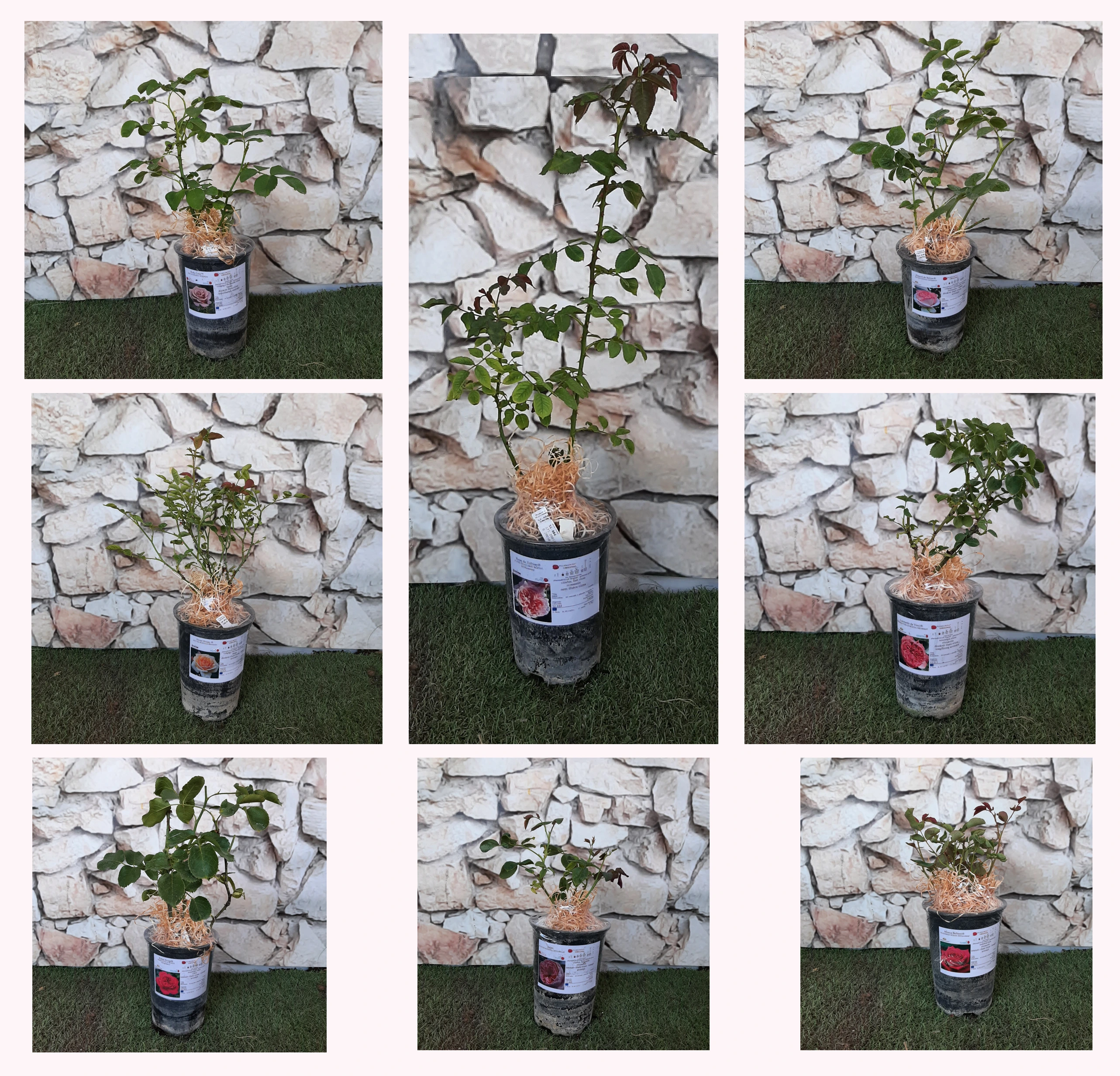
We showcase the external appearance of the roses available for online purchase from our webshop.


Which product type is right for you?


Information

In what condition do we send the rose from our online webshop?

Let us ask ourselves the question: What do I want to use the rose for?
Flower? - Location? - Screening? - Fragrance? - Height? - Breeder? - Rose hips?

Rose purchasing information
Payment methods - Delivery costs - Delivery - Complaints handling

Care guide

Our product is a rose grown with PharmaRosa®’s unique cultivation technology!

2 litre, own-root, potted rose.
With seasonal shoots appropriate to the time of year.
With a well-developed root system that permeates the growing medium.
Quality compliant with E.N.A. (European Nurserystock Association) requirements.
Supplied in unique, damage-preventing packaging.
Can be planted at any frost-free time.
True-to-variety rosebush, with unique identifier.

The own-root, potted PharmaRosa® rose is a well-rooted plant that guarantees reliable establishment for you, so it can be planted at any time of year during frost-free periods.


Crop: several varieties and several stages of development in one short crop section.
Shoot system: intense growth of fresh basal shoots on a young plant.
Root system: demonstration of the vigorous root system permeating the growing medium, with the pot removed.
Balance: mature plant with a root system and shoot system that are in harmony.

Information about the videos
This video series is not a “seasonal showcase”, but a way to make the essence of PharmaRosa®’s own-root production tangible: how the plant is built, what the root system looks like and how the shoot system renews itself. The footage was therefore taken at different times and of plants at various stages of development, so mixed levels of foliage and differing stages of growth may appear. These clips are not a ‘sample’ of the batch delivered to you, but an illustration of how the technology works. The current condition of the rose you are purchasing – typical for the given time of year and what you can realistically expect to receive in your parcel – is shown at the top of the product page.

pharmarosa.ptpharmarosa.itpharmarosa.sepharmarosa.eepharmarosa.fikarolinarose.pldanielarose.espharmarosa.compharmarosa.skpharmarosa.atpharmarosa.co.ukpharmarosa.czpharmarosa.depharmarosa.ropharmarosa.sipharmarosa.hrpharmarosa.frpharmarosa.grpharmarosa.dkpharmarosa.nlpharmarosa.iepharmarosa.bepharmarosa.lupharmarosa.bgpharmarosa.ltpharmarosa.lvpharmarosa.ru

Product types

Pages for private customers
Garden roses for the family garden, with minimal care  → ORIGINAL®
Premium garden roses – instant impact, a truly showpiece garden  → EXTRA®
Pages for professionals and private customers
Roses for public spaces – large areas, sustainable maintenance  → NATURAL®
Roses for projects – hedge and row planting, fast implementation  → RAPID®
For professional partners only
Production – propagation material for garden roses, wholesale  → NEONATAL®

Company details

PharmaRosa Ltd.
Company registration number: 01-09-717479
VAT number: 13075314-2-43
Plant health registration no.: HU130721
Bank account (IBAN):
HU85117631891388688400000000
BIC (SWIFT): OTPVHUHB
Bank name: OTP Bank Nyrt.