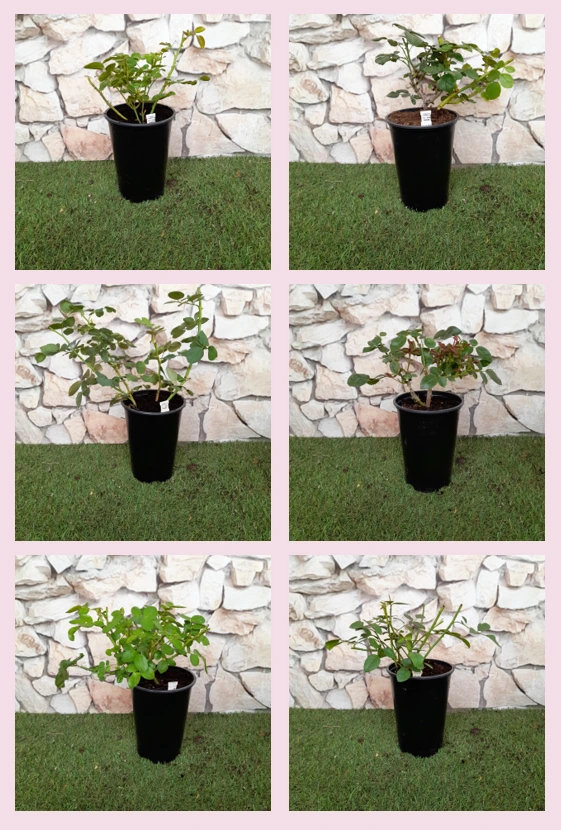
LITTLE WHITE PET – white bedding polyantha rose – Henderson
On a breezy Cornish afternoon, LITTLE WHITE PET brings a sense of refreshment to small family gardens, its snow‑white pompons lighting up shingle and terrace alike. This compact polyantha is naturally neat and low‑growing, so it tucks easily into beds, paths and coastal verandas without crowding other plants. Own‑root planting supports long‑term stability, helping the shrub regenerate after winter and rough weather. Once settled, it forms a quietly reliable edging or specimen that suits busy homeowners who prefer light, occasional care over constant fussing, and its modest pruning needs make seasonal work manageable even for beginners. In windy, exposed plots it forms a low, well‑anchored presence that copes well with blustery days and tricky drainage near the sea. Use a generous 40–50 litre container on verandas to give roots room to mature, then enjoy how this compact rose gradually thickens from roots in the first year, into fuller shoots in the second, and by the third offers its full ornamental value as a dainty hedging or bedding highlight.
Usage options
| Target area | Reasoning |
|---|
| Coastal veranda containers |
Its compact habit and shallow spread fit comfortably into 40–50 litre tubs, ideal where space is at a premium on balconies and verandas near the sea. Steady, bushy growth offers long-term stability for beginner and hobby gardeners seeking calm enjoyment. |
| Low garden edging |
Densely branched, naturally neat growth creates a defined, low border along paths or lawns without demanding intricate pruning. Plant at recommended spacing and it forms a continuous, tidy line that suits owners wanting uncluttered structure with minimal shaping work. |
| Small family flowerbeds |
Its moderate mature size and controlled spread mean it slips easily into average family beds, among perennials and grasses, without overwhelming nearby plants. The plant’s compact nature simplifies layout decisions for homeowners planning straightforward, manageable mixed borders. |
| Front-of-border highlight |
Clusters of tiny, snow-white pompon blooms provide a reliable ornamental focus at the front of borders through the season. The gradual development from establishing roots to fuller top growth supports predictable ornamental value for gardeners who appreciate gentle, visible progress. |
| Shingle and gravel plantings |
The bushy, low framework sits securely among gravel or shingle, visually anchoring looser planting schemes and coastal-style gardens. Combined with appropriate drainage, it copes reassuringly with windy, exposed weather typical of many British coastal family plots. |
| Partially shaded courtyards |
Suitable for partial shade, it will bloom reliably where taller shrubs or buildings soften midday sun. This flexibility helps urban and courtyard gardeners use awkward, less-than-perfect light conditions without resorting to demanding or short-lived planting choices. |
| Long-season bedding displays |
Remontant flowering with plentiful repeat clusters keeps beds lively beyond a single flush, extending interest well into summer. This steady performance benefits those wanting lasting seasonal colour from a single, durable planting rather than frequent replacements or bedding changes. |
| Informal low hedging |
Planted at closer spacing, its compact, branching habit forms a low, informal hedge that softly divides family garden areas while staying easy to trim. The result suits householders seeking gentle garden structure without the commitment of tall, high-maintenance hedging schemes for beginners. |
Styling ideas
- Coastal-Veranda Ribbon – Line a sheltered veranda edge with LITTLE WHITE PET in generous tubs, underplanted with silver Festuca and sea kale for a salty, breezy mood – ideal for coastal-style lovers.
- Snow-White Path Edge – Create a low edging along gravel paths, alternating this rose with lavender for structure and fragrance – perfect for homeowners wanting neat, easy-care outlines.
- Pompon-Soft Bed Front – Mass-plant at the front of mixed beds with airy grasses behind to showcase the white pompons – suited to busy families wanting long-season charm.
- Shingle-Cottage Corner – Tuck plants into a shingle bed with sea kale and blue Agastache for a relaxed cottage-by-the-sea look – appealing to hobby gardeners near the coast.
- Compact-Courtyard Trio – Group three containerised plants in 40–50 litre pots in a small courtyard, pairing with low herbs for texture – ideal for beginners with limited space.
Technical cultivar profile
| Parameter | Data |
|---|
| Name and registration |
Little White Pet, also known as White Pet; a historic polyantha bedding rose of the flowerbed rose collection, used chiefly as a bed and edging cultivar in family gardens. |
| Origin and breeding |
Sport of ‘Félicité-Perpétue’, bred by Peter Henderson in the United States around 1879, later introduced commercially in 1889 via Bennett’s Greenhouses, remaining an unregistered but established variety. |
| Awards and recognition |
Holds the RHS Award of Garden Merit, confirming dependable performance in typical UK conditions, and has earned multiple ARS Polyantha Spray show wins, underlining consistent ornamental and exhibition quality. |
| Growth and structural characteristics |
Compact, bushy shrub reaching about 50–80 cm in height and 50–75 cm in spread, with moderately thorny stems and dense mid-green, slightly glossy foliage forming a low, rounded outline in beds and containers. |
| Flower morphology |
Produces small, 0.5–1.5 inch, very double, ball-shaped pompon blooms in sizeable clusters, offering a classic polyantha spray effect and a reliable second flush after the main flowering with basic seasonal care. |
| Colour data and phenology |
Flowers open from pink-flushed buds to opalescent cream-white, maturing to uniform snow-white with soft ivory tones; colour may fade cream and brown in strong sun, with weak retention under intense summer exposure. |
| Fragrance and aroma |
Displays a very light, barely noticeable rose scent, not intended as a fragrance feature; fully double flowers largely hide stamens, giving modest value for pollinators but strong appeal for visual display in beds. |
| Hip characteristics |
After flowering, it can form a moderate crop of small, spherical red hips about 5–8 mm across, adding subtle late-season interest without becoming dominant; hips are mainly decorative rather than a primary feature. |
| Resistance and winter hardiness |
Hardy to approximately −26 to −23 °C (RHS H7, USDA 5b, Swedish Zone 4); disease resistance is medium, with standard vulnerability to powdery mildew, black spot and rust requiring occasional monitoring and treatment. |
| Horticultural recommendations |
Best at 35–65 cm spacing, 5.7–6.6 plants/m² for mass planting; prefers well-drained soil, regular watering in dry spells, and light deadheading, with partial shade tolerance helpful in warmer or exposed UK gardens. |
LITTLE WHITE PET offers compact growth, long-season white pompon flowers and dependable edging structure, with the resilience of an own-root rose that matures gracefully over time, making it a thoughtful choice for relaxed coastal-inspired gardens.