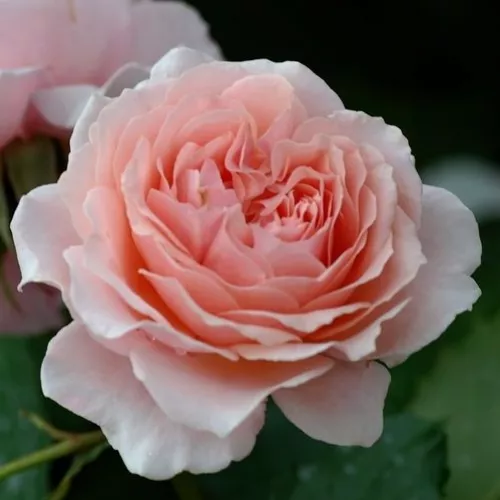
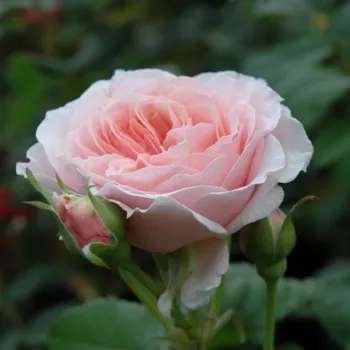
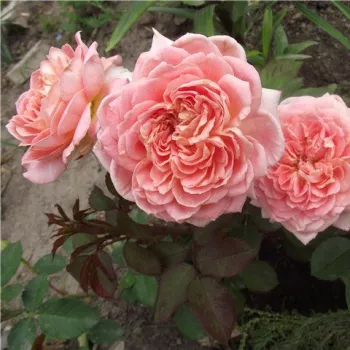
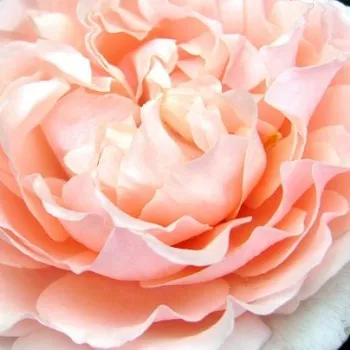
LOUISE DE MARILLAC™ – pink flowerbed shrub rose
Imagine stepping onto a sun-warmed coastal veranda after a walk on the beach, your rose border acting as a gentle windbreak while sunlight catches clusters of soft pink blooms. LOUISE DE MARILLAC™ is an upright, bushy shrub that fits beautifully into smaller family gardens, giving you a calm, feminine focal point in beds or large containers with reliable remontant flowering from early summer onwards. Its own-root form supports a long-lived, stable display that can regenerate if stems are damaged, ideal where gusty weather meets shingle and good drainage, anchoring the plant securely in typical coastal conditions. Over time, you can expect a natural development from strong roots in the first year, through structural shoots in the second, to full ornamental impact by the third. Medium-height, dense foliage and moderately thorny stems help it hold its shape and provide gentle screening, while the discreet fragrance and refined flower form make it a relaxing, low-fuss presence for afternoon tea and easygoing seaside-style planting.
Usage options
| Target area | Reasoning |
|---|
| Coastal veranda in large containers (40–50 litre+) |
The upright, bushy habit and medium height suit large pots on a veranda, where stable own-root growth copes well with coastal breezes and long, dry spells if watering is managed. Its structure helps act as a soft screen in typical exposed coastal conditions – ideal for the busy coastal-style beginner. |
| Small family front garden flowerbed |
Compact spread and dense foliage mean you can achieve a full, “finished” look with relatively few plants, using standard 60 cm spacing. Repeating clusters of pink flowers keep the entrance bright without demanding complex pruning – practical for time-pressed homeowners. |
| Low, feminine boundary hedge along a path |
Planted at 50 cm intervals, its upright but bushy form creates a soft edging hedge that gently defines paths or driveways. Own-root resilience offers a long service life, even if an odd stem is damaged by children, pets or wind – reassuring for family-garden users. |
| Feature shrub in a mixed coastal-style border |
Used as a solitary plant at 90 cm spacing, it reads as a rounded, mid-height focal point among grasses and perennials, with remontant flowering providing structure through summer. Long-term root strength supports years of reliable performance – attractive for relaxed border designers. |
| Mass planting for soft pink ground architecture |
Square or hexagonal planting at the recommended densities quickly knits plants into a unified, low-maintenance carpet of flowers and foliage. Once established, the shrubs form a long-lasting understorey that needs only basic seasonal care – suitable for low-input garden planners. |
| Clay-based garden with improved drainage |
Where heavy clay has been opened up with grit and compost, its own-root system anchors firmly and uses improved drainage to build a stable, long-lived framework. This reduces the need for later replacements and keeps the planting even – useful for practical-minded garden owners. |
| Sunny, sheltered seating area near the house |
Best flower and colour performance comes in full sun with some shelter from the harshest winds; here, remontant flowering and discreet fragrance create a calm backdrop to family seating. Medium maintenance suits gardeners who want results without constant work – perfect for casual outdoor relaxers. |
| Romantic “girly” pink scheme with perennials |
The baby-pink to light-pink blooms blend effortlessly with airy perennials and grasses, creating a soft, feminine palette that still feels fresh and coastal. Consistent summer repeat flowering anchors the composition over many seasons – appealing to style-focused garden enthusiasts. |
Styling ideas
- Coastal-Veranda Trio – plant in a 50–70 litre tub with sea kale and blue Festuca for a breezy, seaside look that stays effective for years – for coastal veranda owners seeking easy structure.
- Soft-Edge Hedge – line a path at 50 cm spacing, underplant with low thyme to create a romantic, pink-and-green boundary – for families wanting gentle separation without harsh fencing.
- Pink-Foam Bed – group three to five plants at 60 cm in a front bed, blending with Calamintha ‘Elfin Purple’ for a long-season, low-fuss feature – for beginners who like simple but showy planting.
- Grassy-Feminine Mix – pair a solitary shrub with Lavandula and fine grasses to highlight its remontant blooms against movement and texture – for design-led gardeners favouring subtle, coastal-inspired schemes.
- Season-Long Island – create a small island bed with LOUISE DE MARILLAC™ encircled by daylilies and Knautia for layered pinks and pastels – for homeowners wanting one attractive, easy-care focal bed.
Technical cultivar profile
| Characteristic | Data |
|---|
| Name and registration |
LOUISE DE MARILLAC™ (MASloumar), shrub rose, flowerbed shrub in the Les Provençelles® collection, ARS exhibition name ‘Louise de Marillac’; commercial bed-rose type for garden and landscape use. |
| Origin and breeding |
Bred by Dominique Massad (Pétales de Roses, France) from ‘Paul Bocuse’ × ‘Michelle Bedrossian’; bred circa 2010 and introduced in 2011 by Pétales de Roses as a premium garden shrub rose. |
| Growth and structural characteristics |
Upright, bushy shrub to about 80–105 cm high and 50–70 cm wide, with dense, mid-green, slightly glossy foliage and moderate prickliness; forms a compact, balanced outline in beds or hedging. |
| Flower morphology |
Large, double, cup-shaped blooms with 26–39 petals, carried mainly in clusters; remontant, with a strong second flush and further flowers in suitable conditions, giving a long seasonal display. |
| Colour data and phenology |
Medium pink with baby-pink tone; ARS code MP, RHS 62C outer/62D inner; opens baby pink, then softens to pale pink and near-white in places, with richer tones in cool weather and faster fading in heat. |
| Fragrance and aroma |
Very faint fragrance of discreet, elegant character; primarily selected as an ornamental variety for visual effect rather than scent, with double blooms that conceal the stamens and limit pollinator access. |
| Hip characteristics |
Hip set generally low due to double flowers; where present, hips are red, spherical, around 8–12 mm in diameter, adding small, unobtrusive seasonal interest without significant self-seeding issues. |
| Resistance and winter hardiness |
Medium disease resistance to powdery mildew, black spot and rust; hardy approximately to –21 to –18 °C (RHS H7, Swedish zone 3, USDA 6b); tolerates heat with extra watering during prolonged dry spells. |
| Horticultural recommendations |
Suited to sunny sites for beds, edging, small hedges and specimen use; plant 60 cm for bedding, 50 cm for hedging, 90 cm as solitary; medium maintenance, with some deadheading and plant protection as needed. |
LOUISE DE MARILLAC™ offers compact, remontant flowering, durable own-root strength and easy, long-lived structure, making it a thoughtful choice for relaxed, feminine gardens where you prefer dependable beauty over demanding care.