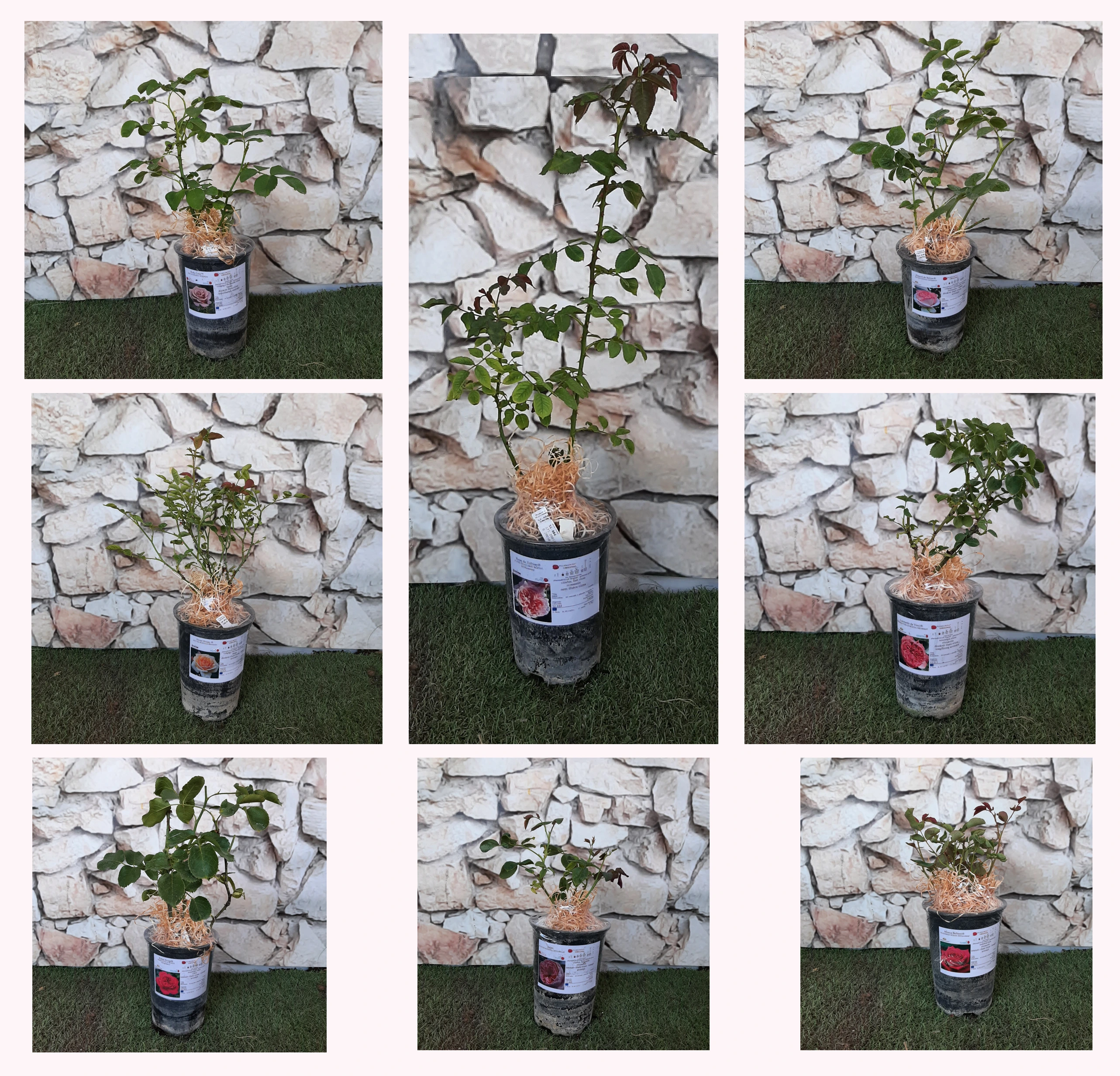
LOVE LETTER – cream-white bedding floribunda rose - Lens
With its cream-white blooms brushed with a pastel lemon centre, LOVE LETTER settles quickly into family gardens, creating a soft coastal calm that feels like tea in a sheltered nook after collecting seashells. This compact floribunda builds reliable structure in breezier gardens, quietly coping with exposed, showery weather and typical British clay by establishing a steady, anchoring root system. Its remontant flowering gives you months of colour with minimal input, while low maintenance needs make it an easy choice for busy owners. In a generous 40–50 litre container or a slim front bed, it stays neat, flowers generously, and keeps its foliage healthy. Own-root strength supports long-term renewal and stable performance, with a natural rhythm of Year 1 rooting, Year 2 shaping, and Year 3 full impact. Ideal where you want gentle light tones, effortless charm and dependable endurance rather than complicated gardening.
Usage options
| Target area |
Reasoning |
| Small coastal front gardens |
The compact, upright habit and dense foliage create a tidy, wind‑brushed hedge effect without dominating a narrow plot. Disease resistance and low upkeep suit exposed, showery sites typical of British coastal weather, reassuring for the beginner. |
| Family flower beds and borders |
Regular remontant flowering keeps beds lively from early summer well into autumn, with cream‑white clusters that blend easily beside existing shrubs. Own‑root resilience supports long‑term structure and reliable flowering, appealing to the busy. |
| Large containers on verandas and patios |
Works particularly well in 40–50 litre or larger pots, where its moderate height and upright form give privacy without shade. Good disease resistance and light fragrance mean you can sit close by in comfort, perfect for the coastal‑style homeowner. |
| Low, formal edging or path lines |
Recommended close planting distances allow you to form a neat, low edging along paths or drives. Dense, dark foliage frames the pale flowers, keeping a composed look with only light pruning, an advantage for the low‑maintenance‑minded gardener. |
| Season-long feature in mixed planting |
Combines repeat flowering with a steady, upright frame that weaves easily among perennials. The soft colouring harmonises with blues and silvers, and own‑root plants recover well if cut back, ideal for evolving schemes planned by the enthusiast. |
| Cut flowers for the house |
The medium‑large, cup‑shaped clusters make charming, informal vase stems, with petals that open to a light, romantic cream. Regular cutting encourages further flushes, giving a steady trickle of blooms for interiors valued by the stylist. |
| Clay soil family plots with drainage improvement |
In typical British clay, once drainage is improved with grit or organic matter, this rose’s sturdy own‑root system anchors well and supports foliage health, easing long‑term care for the practical, time‑pressed owner. |
| Coastal shingle and salt-tolerant schemes |
Suited to breezier, maritime gardens where a compact, well‑leafed floribunda can hold form and colour despite wind, complementing gravel, shingle and sea‑inspired plantings, especially valued by the coastal‑loving beginner. |
Styling ideas
- Seaside-border – Underplant LOVE LETTER with Festuca and sea kale for a pale, dune-like ribbon that enjoys its compact shape and long flowering – ideal for coastal veranda owners.
- Soft-hedge – Plant a close row along a path, weaving in low lavender to echo the cream and lemon tones while benefiting from its upright, dense foliage – suited to family gardeners.
- Cream-terrace – Grow one or two plants in 50 litre containers near seating, using gravel mulch to reflect the pastel blooms and capitalising on its easy care – perfect for busy urban owners.
- Romantic-mix – Thread through campanulas and airy grasses in a mixed bed, relying on its repeat flowering and stable own-root growth for gentle structure – for hobby designers.
- Cutting-corner – Group several plants with rosemary at the back of a border, using their remontant clusters for simple bouquets while enjoying long-term, low-intervention performance – ideal for beginners.
Technical cultivar profile
| Parameter |
Data |
| Name and registration |
Floribunda bed rose, registered as LENpiro, marketed as LOVE LETTER flower bed rose LENpiro; ARS exhibition name Love Letter®, suitable for bedding and floribunda show classes. |
| Origin and breeding |
Bred by Louis Lens in Belgium in 1977 from ‘Pink Parfait’ × ‘Rosenelfe’; introduced by Lens Roses around 1980 and registered in 1979, representing classic late twentieth century Belgian breeding. |
| Awards and recognition |
Kortrijk/Courtrai rose trials distinction with both Gold and Silver Medal in 1979, reflecting ornamental quality, garden performance and reliable flowering under trial conditions. |
| Growth and structural characteristics |
Compact upright bush reaching about 60–85 cm in height and 40–55 cm in spread, moderately thorny, with dense, slightly glossy dark green foliage forming a tidy, medium sized shrub. |
| Flower morphology |
Semi double, cup-shaped blooms with around 17–25 petals, medium to large cluster-flowered heads, remontant habit providing abundant second flush and repeat bloom through the season. |
| Colour data and phenology |
Cream-white petals with a soft lemon-yellow flush in the centre; buds creamy with lemon tinge, colour deepest when opening, then fading to pale cream, with cooler weather enhancing the yellow tone. |
| Fragrance and aroma |
Very weak, barely perceptible rosy fragrance, primarily an ornamental variety rather than a scented rose; semi-double form offers moderate visual impact with limited contribution to perfumed plantings. |
| Hip characteristics |
Hip set is generally sparse; when present, hips are small, spherical, about 6–9 mm in diameter, developing an orange-red colour, adding only modest late-season decorative effect. |
| Resistance and winter hardiness |
Good general disease resistance with recorded resistance to powdery mildew, black spot and rust; reliably hardy to approximately −21 to −18 °C, corresponding to RHS H7 and USDA Zone 6b conditions. |
| Horticultural recommendations |
Best in full sun with well-drained soil; recommended spacings from 25–50 cm depending on use, suitable for beds, borders, low hedges, containers and cutting, with generally low maintenance needs. |
LOVE LETTER offers compact, reliable flowering, strong health and long-lived own-root resilience, making it a thoughtful choice if you prefer gentle, easy roses that reward patient planting.