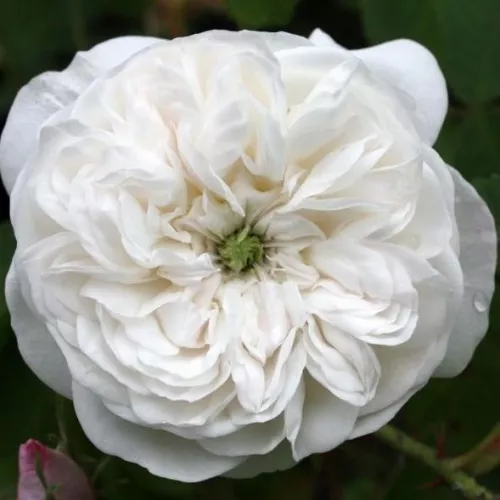
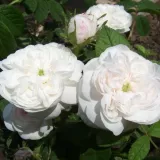
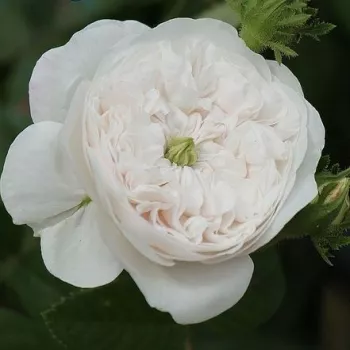
Madame Hardy – white historic centifolia rose – Hardy
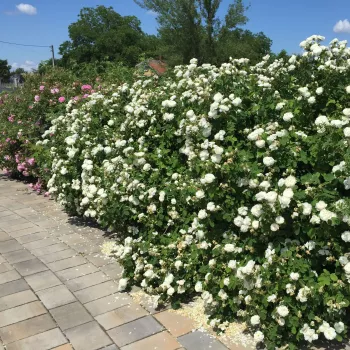
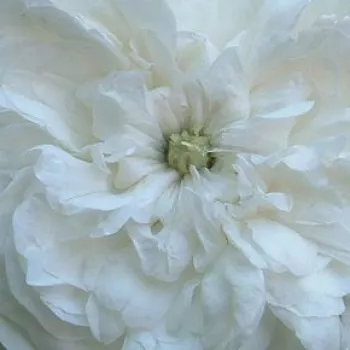
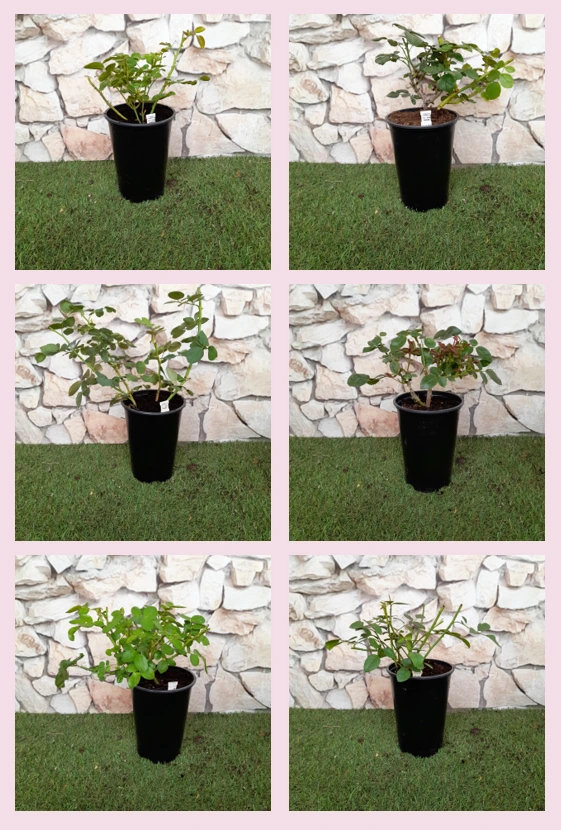
Imagine stepping onto a sheltered coastal veranda after a blustery walk, the air carrying a classic rose perfume as Madame Hardy catches the light with perfectly formed, snow‑white rosettes. This historic Damask shrub settles into shingle or clay-based borders with reassuring stability, rooting deeply so the plant anchors well and copes gracefully with breezier, salt‑touched conditions and careful water management in UK family gardens. Once its roots are established, the dense, upright shrub offers seasons of leafy structure, a cool white focal point that pairs beautifully with sea kale, Festuca or lavender in small spaces. One sumptuous, early‑summer flowering flush fills the garden with fragrance and old‑world charm, while its disease resistance keeps maintenance light. As an own‑root rose, it offers reliable longevity and recovery after stress; think of year one spent building roots, year two showing confident new shoots, and year three revealing its full ornamental presence.
Usage options
| Target area | Reasoning |
|---|
| Coastal veranda container (40–50 litre) |
A large, stable container lets the vigorous shrub form a dense, upright framework that shrugs off wind and, with sensible watering, manages exposed coastal conditions and heavier substrates effectively. Ideal for the beginner. |
| Small family front garden focal point |
Planted as a specimen, its bushy habit and strong scent create a welcoming, traditional feature without demanding constant care; once established, pruning and feeding remain straightforward. Suited to the busy homeowner. |
| Informal scented hedge along a boundary |
At the recommended spacing, plants knit into a tall, leafy screen, giving privacy and a single, spectacular flush of white bloom that marks early summer with intense perfume. Best for the relaxed garden planner. |
| Mixed border in clay-based coastal soils |
Deep, own‑root anchoring helps the shrub cope with heavier ground when drainage is improved, supporting steady top growth and dependable flowering over many years in typical UK conditions. A sound choice for the practical gardener. |
| Partly shaded side return or east-facing wall |
Its tolerance of partial shade and strong, matte foliage allow it to hold its own where the sun is limited, bringing classic rose character and fragrance to narrower plots. Ideal for the urban side‑garden owner. |
| Historic-style rose garden or period property |
The recognised Old Rose Hall of Fame status, Damask heritage and pure white rosettes suit traditional schemes, lending authenticity and long-term continuity to restoration or period planting. Perfect for the heritage‑minded collector. |
| Low-intervention family back garden bed |
Strong resistance to common rose diseases and modest heat tolerance keep intervention to occasional deadheading and routine care, so the plant rewards rather than burdens its keeper. Well suited to the time‑pressed family. |
| Structure plant with long-term framework |
Once the three-year establishment arc is complete, its tall, bushy framework becomes a lasting green backdrop for perennials, giving reliable shape even outside flowering weeks. A dependable anchor for the long‑view gardener. |
Styling ideas
- Coastal Veranda Calm – position in a 50‑litre tub with pale gravel mulch, pairing with blue Festuca and sea kale for a salty, wind-kissed terrace look – for coastal-style enthusiasts.
- Historic Courtyard – plant as a single specimen in a brick-edged bed with clematis threading through for height, echoing traditional French gardens – for lovers of period charm.
- White-and-Green Hedge – line a boundary with evenly spaced plants, underplanting with shade-tolerant hostas to soften the base – for families wanting privacy and perfume.
- Clay Border Anchor – use as the tall structural element in a mixed border, with lavender and airy grasses around to highlight its pure white flowers – for practical, space-conscious gardeners.
- Tea Corner Focus – set beside a small seating area in partial shade, allowing its once-a-year flowering to frame summer tea moments – for veranda and patio relaxers.
Technical cultivar profile
| Parameter | Data |
|---|
| Name and registration |
Historic Damask shrub rose, trade name Madame Hardy, also listed simply as Hardy; an unregistered heritage cultivar grown and exhibited internationally as a classic old shrub rose. |
| Origin and breeding |
Bred by Julien‑Alexandre Hardy in France around 1831 from Damask seedling selections; introduced through Jardin du Luxembourg and Hardy nursery, entering wider cultivation in 1832. |
| Awards and recognition |
Inducted into the World Federation of Rose Societies Old Rose Hall of Fame in 2006, reflecting sustained global appreciation in gardens and collections over many generations. |
| Growth and structural characteristics |
Forms a tall, dense, upright bush 160–260 cm high and 150–250 cm wide, with plentiful matt mid‑green foliage and strong prickliness, creating a substantial structural presence in planting schemes. |
| Flower morphology |
Medium-sized, very full double rosettes with 40 or more petals, typically borne in corymbs; once‑flowering in early summer, with limited natural self‑cleaning so spent blooms may need removal. |
| Colour data and phenology |
Ivory to snow‑white blooms with a subtle pale green centre, ARS white class, RHS 155C–155D; colour holds well, though petals may scorch or brown slightly during periods of very hot weather. |
| Fragrance and aroma |
Exceptionally strong, classic Damask fragrance that readily fills the surrounding garden area in bloom, offering a traditional rose scent especially noticeable on still, warm days and early evenings. |
| Hip characteristics |
Rose hips are sparse due to very double flowers; occasional small green ovoid hips 12–18 mm may form, but ornamental effect is modest and not a primary feature of the cultivar. |
| Resistance and winter hardiness |
Excellent hardiness to approximately −29 to −32 °C (RHS H7, USDA 4b) with strong resistance to black spot, powdery mildew and rust under typical garden conditions when properly sited. |
| Horticultural recommendations |
Best in well-drained but moisture-retentive soil; suitable for partial shade, beds, hedges and specimens. Maintain with light pruning and deadheading, plus regular watering during extended dry spells. |
Madame Hardy offers tall, structural growth, powerful fragrance and reliable disease resistance in an own-root form that promises long-term continuity in your garden; an excellent candidate when you are planning a lasting, characterful planting.