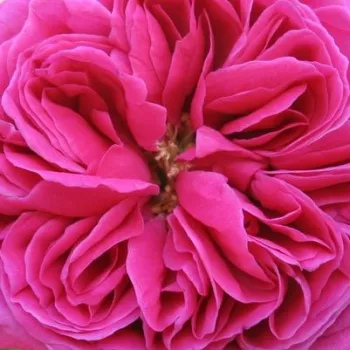
MADAME ISAAC PEREIRE – deep pink historic Bourbon rose - Garçon
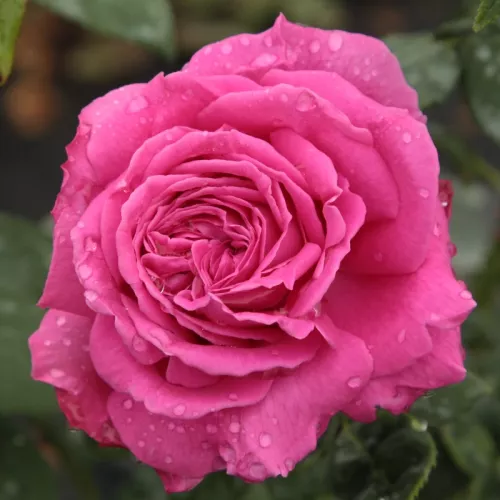
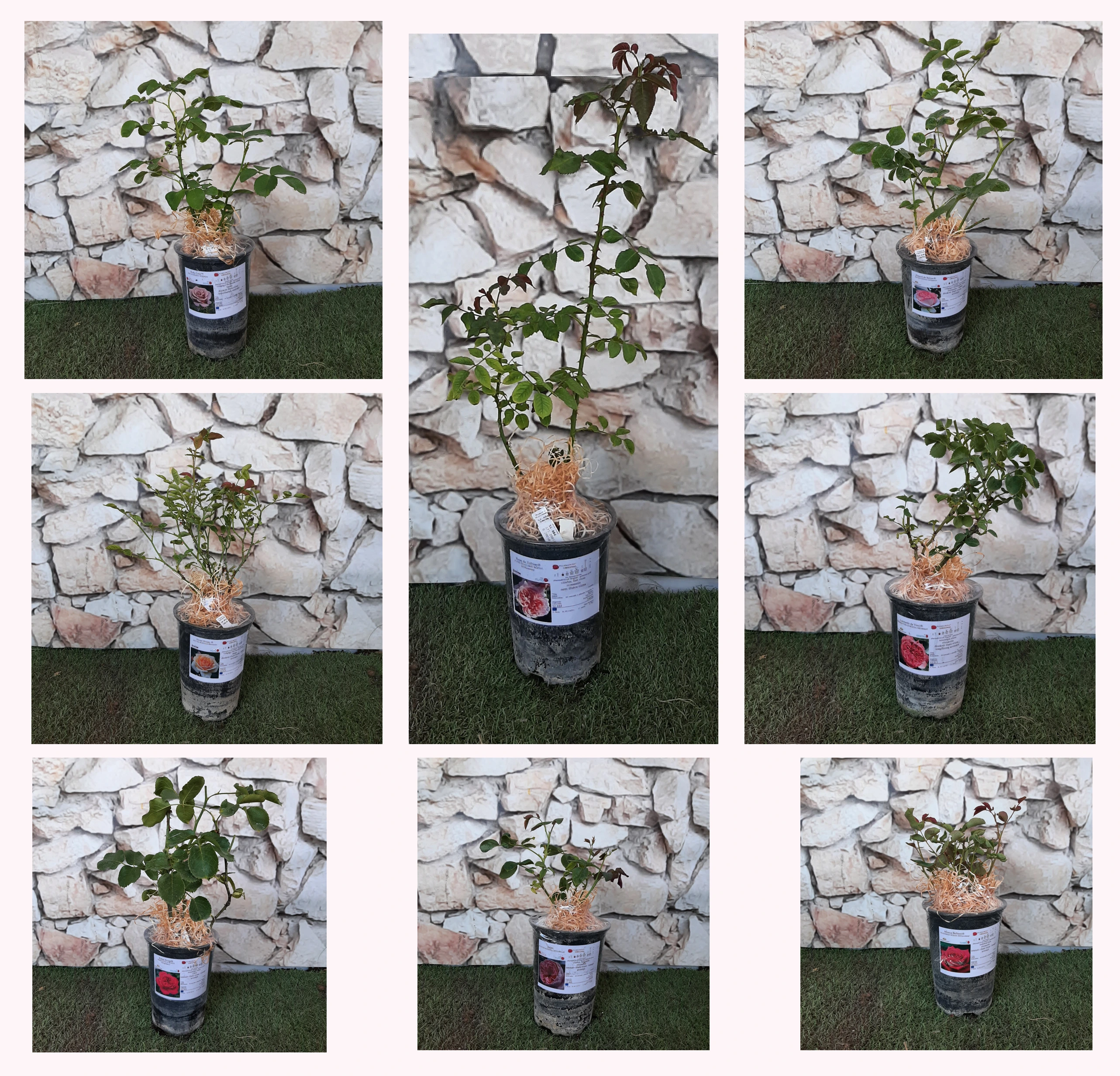
Imagine returning from a blustery coastal walk to enjoy tea in the lee of a windbreak, while the velvety, deep-pink rosettes of this historic Bourbon rose release an intoxicating perfume that drifts across your shingle or veranda retreat. ‘Madame Isaac Pereire’ forms an upright, arching shrub that can be trained on low supports, creating an elegant screen that sits comfortably in a family garden and copes well with cool, breezy conditions and careful water management in exposed coastal sites. Its remontant, very double flowers carry an opulent heritage charm yet the plant itself is reassuringly robust, with excellent disease resistance that keeps foliage attractive with little input. Supplied as a young, own-root plant in a practical 2‑litre pot, it will first focus on firm anchoring and root-building, then move into stronger top growth and, by the third season, show the full, long-lived ornamental impact you can expect for years ahead.
Usage options
| Target area | Reasoning |
|---|
| Small to medium coastal family gardens |
This rose’s natural vigour and upright, arching habit make it ideal for anchoring planting schemes in exposed gardens while still fitting comfortably into typical UK plot sizes. It settles reliably in breezy sites where thoughtful watering supports healthy roots and flowering, suiting busy coastal homeowners. |
| Feature shrub near seating or veranda |
The extremely strong, room-filling perfume and large, very double blooms are best enjoyed close to where you sit with a book or a pot of tea. Plant it in a sheltered nook by a veranda or garden bench to turn everyday pauses into richly scented moments for romantic garden appreciators. |
| Low-maintenance rose border |
High resistance to common rose diseases means foliage stays presentable with minimal spraying or specialist care, even in changeable British weather. Simple deadheading keeps flowering coming, delivering classic historic character without demanding weekend‑filling chores from time-pressed beginners. |
| Own-root, long-lived focal point |
As an own-root rose it regenerates well from the base, avoiding issues with graft failure and helping the shrub remain balanced and attractive for many years. After initial establishment it settles into a steady rhythm of growth and bloom that rewards long-term planners. |
| Lightly shaded coastal corners |
Its tolerance of partial shade lets you use it where sun is filtered by neighbouring houses or windbreak planting. In these pockets, colour holds better and blooms last longer, extending enjoyment in spots often overlooked by practical space-makers. |
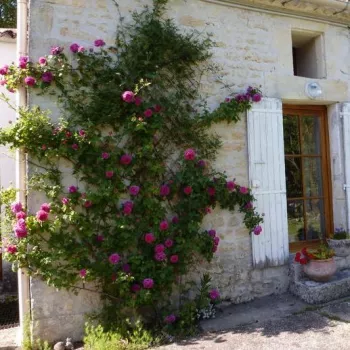
| Training on low supports or walls |
The strongly arching canes can be fanned along a short fence, veranda rail, or low wall, creating a loose, romantic screen without the demands of a full climber. This flexibility suits compact plots that still want height and drama for creative small-garden owners. |
| Large containers on sheltered balconies |
Planted in a minimum 40–50 litre container with good drainage, this shrub makes an opulent potted feature for patios or balconies, especially where soil is poor or paved over. Regular watering and feeding keep growth balanced for urban veranda gardeners. |
| Seasonal colour from late spring onwards |
The remontant flowering pattern offers generous first flushes followed by further waves of bloom, so the plant stays visually relevant from late spring well into the season, rewarding a little deadheading with weeks of colour for flower-hungry families. |
Styling ideas
- Seaside-veranda – Underplant in a large container with trailing ivy and silver thyme, echoing shingle tones and catching the scent at door height – ideal for coastal veranda owners.
- Romantic-hedge – Space plants as a loose flowering screen along a boundary, weaving through sea kale and ornamental grasses for a soft, wind-moved edge – perfect for privacy-seeking families.
- Tea-corner – Position one specimen by a sheltered bench, backed with Festuca and low lavender to frame the rich blooms – suited to those creating a scented reading spot.
- Historic-bed – Combine with other heritage-style perennials in deep blues and whites, letting its large roses act as the focal accents – appealing to lovers of traditional garden charm.
- Veranda-arch – Gently tie arching stems to a low pergola or rail, softening structures with cascading blooms above seating – a good choice for design-led small-garden owners.
Technical cultivar profile
| Parameter | Data |
|---|
| Name and registration |
Historic Bourbon shrub rose, trade name ‘Madame Isaac Pereire’, also listed as a heritage rose; unregistered cultivar used in gardens and collections under its traditional exhibition name. |
| Origin and breeding |
Bred in France by Armand Garçon and first distributed by Margottin père & fils; introduced to commerce in 1880, representing classic nineteenth-century Bourbon rose breeding traditions. |
| Awards and recognition |
Noted in historic records, including success at the Société botanique d’Angleterre rose competition in London in 1882, which helped secure its status as a celebrated perfumed garden rose. |
| Growth and structural characteristics |
Upright shrub 170–230 cm tall with arching canes and moderately dense, dark green foliage; can be trained as a short climber on low supports, with medium prickliness along the stems. |
| Flower morphology |
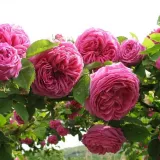
Large, very double rosette blooms with over 40 petals, typically borne singly on stems; remontant habit with a particularly abundant second flush when regularly deadheaded in season. |
| Colour data and phenology |
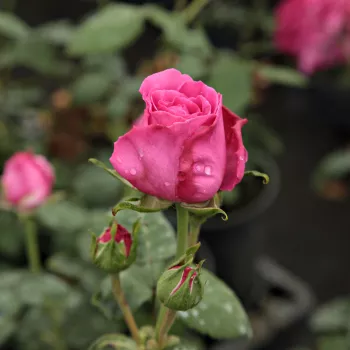
Deep crimson-pink to rich fuchsia, RHS 60A–60B; buds open dark carmine, then fade to raspberry-pink with a lilac veil, with stronger fading under intense sun and better retention in light shade. |
| Fragrance and aroma |
Extremely strong, room-filling perfume with a classic, elegant old-rose character; valued historically for its luxurious scent that can dominate a seating area or still corner of the garden. |
| Hip characteristics |
If deadheading is omitted, forms a small number of spherical, 12–18 mm red‑orange hips that add a modest late-season accent without significantly affecting overall ornamental display. |
| Resistance and winter hardiness |
Good resistance to black spot, powdery mildew and rust; hardy to approximately −26 to −23 °C (RHS H7, USDA 5b, Swedish zone 4) with moderate heat tolerance and need for regular watering. |
| Horticultural recommendations |
Suited to beds, specimen use, informal hedging and low pergolas; prefers fertile, well-drained soil, regular moisture, and benefits from deadheading and light structural pruning after flowering. |
Madame Isaac Pereire offers intensely perfumed, repeat-flowering historic blooms on a robust, disease-resistant, own-root shrub that settles for the long term; consider it where you want lasting character with manageable care.