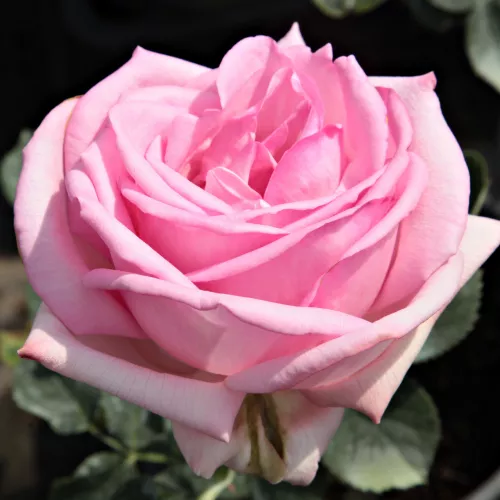
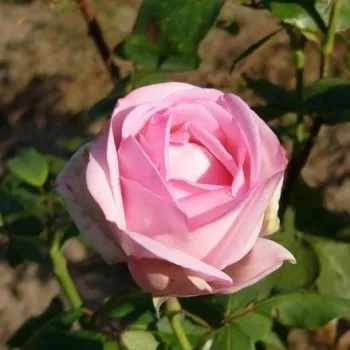
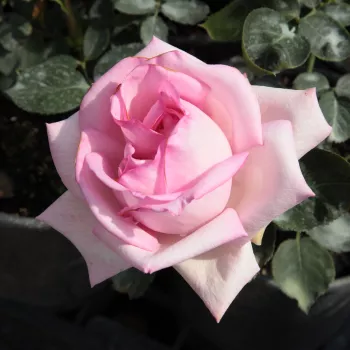
Madame Maurice de Luze – hybrid tea rose
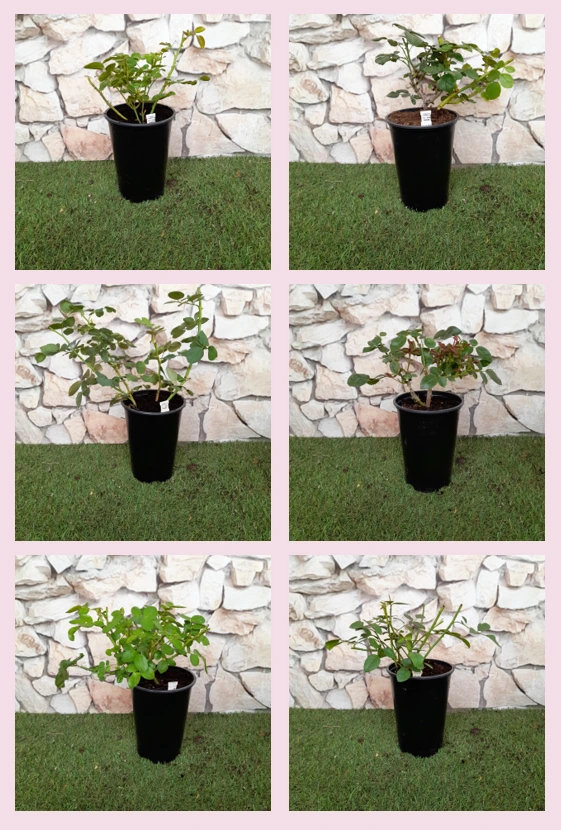
Imagine afternoon sea breezes drifting across your coastal veranda as Madame Maurice de Luze fills the air with a fruity perfume and classic hybrid tea blooms. This early 20th‑century French rose brings refined, cool pink flowers that open from pale buds to porcelain‑edged cups, ideal beside shingle, decking or cottage paths. In a sheltered, sunny corner it copes reliably with strong breezes and the kind of unpredictable coastal showers and gusty days many UK gardens know well. Grown on its own roots, it settles steadily, forming a durable framework that ages gracefully with less long‑term fuss. In the first year it concentrates on roots, the second on building shoots, and by the third it reveals its full ornamental charm, ready to anchor a small family garden or balcony retreat.
Usage options
| Target area | Reasoning |
|---|
| Coastal veranda pot (40–50 L) |
A large container on a sunny veranda suits its upright habit and medium height, keeping flowers at nose level and fragrance on the breeze; a 40–50 litre pot provides stable moisture and anchoring for gardeners seeking ease. |
| Sunny shingle or gravel strip |
Planted into well‑drained pockets within shingle, its remontant flowering and cool pink tones give structure and romance through summer, echoing seaside light while coping with blustery days for design‑conscious beginners. |
| Feature rose by the seating area |
One shrub near a bench or patio table offers powerful perfume and repeat flowers, creating a calm focal point for evening tea after a windy beach walk, ideal for relaxation‑loving homeowners. |
| Small front garden specimen |
Its moderate width and upright framework fit neatly into modest front gardens, offering classic hybrid tea blooms without overwhelming paths or windows, helpful for space‑aware urban gardeners. |
| Cut‑flower corner in family garden |
The long, elegant stems and exhibition‑style flowers lend themselves to cutting, so a dedicated patch allows regular bouquets without spoiling the display, suiting creatively minded hobbyists. |
| Mixed border with perennials |
Placed among sea kale, Festuca and low Heuchera, its soft pink petals and glossy foliage weave easily into coastal schemes, while own‑root resilience supports a long‑lived framework for design‑focused planners. |
| Sheltered courtyard or town patio |
In a protected courtyard with reflective warmth, remontant flowering and strong scent give a luxurious feel in a compact footprint, convenient for busy town‑based professionals. |
| Lightly windy family back garden |
In an average UK back garden with regular breezes, its upright habit and medium disease resistance perform reliably as long as soil drains well after rain and wind have swept through, reassuring cautious coastal‑region owners. |
Styling ideas
- Shingle‑chic bed – plant in a gravel strip with sea kale and Festuca for a soft, wind‑brushed coastal look – ideal for lovers of understated seaside romance.
- Veranda perfume pot – grow singly in a 40–50 litre clay container by a bistro set to enjoy repeat flowers and fragrance – perfect for balcony and veranda users.
- Pastel cutting nook – group with white Physostegia and pale Heuchera to create a dedicated cutting corner – suited to home florists who want easy bouquets.
- Front‑door welcome – place as a specimen by the entrance path, under‑planted with dwarf coral bells for neat, long‑season colour – good for busy households wanting low effort impact.
- Cottage‑coastal mix – weave through a mixed border of Lychnis and ornamental grasses, letting its porcelain pinks repeat through summer – appealing to gardeners blending cottage charm with coastal style.
Technical cultivar profile
| Parameter | Data |
|---|
| Name and registration |
Madame Maurice de Luze is a historic hybrid tea rose, exhibition category hybrid tea; an unregistered cultivar grown under its longstanding trade name in traditional and modern gardens. |
| Origin and breeding |
Bred by Joseph Pernet-Ducher at the Pernet-Ducher nursery in Lyon, France, introduced in 1907; named in honour of the wife of Bordeaux merchant Maurice de Luze. |
| Growth and structural characteristics |
Upright shrub typically 100–140 cm high and 85–115 cm wide, with moderately dense, mid‑green glossy foliage and moderate prickliness; poor self‑cleaning so deadheading is recommended. |
| Flower morphology |
Medium-sized, double, cup-shaped hybrid tea blooms, usually borne singly on stems; 26–39 petals with strongly remontant flowering, giving an initial flush followed by generous repeat. |
| Colour data and phenology |
Pink hybrid tea with ARS code PB; buds pale pink, opening to cool baby pink centres and lighter outer petals, then fading to powdery cream with almost white, porcelain‑like petal edges. |
| Fragrance and aroma |
Sweet, fruity fragrance of powerful strength, often noticeable at a distance in still air; bred primarily for ornamental and sensory impact rather than pollinator resources or culinary uses. |
| Hip characteristics |
Hip set is usually low; when present, hips are small, ovoid to egg‑shaped, around 9–13 mm in diameter, maturing to an attractive orange‑red colour in late season. |
| Resistance and winter hardiness |
Hardy to approximately −21 to −18 °C (RHS H7, USDA 6b, Swedish Zone 3); medium disease resistance overall, relatively resistant to black spot, with moderate powdery mildew and rust susceptibility. |
| Horticultural recommendations |
Best in sunny positions with well‑drained soil; plant 60–110 cm apart depending on use, with 2.0–2.4 plants per m² in mass plantings; needs regular watering and periodic pest and disease monitoring. |
Madame Maurice de Luze offers repeat flowering, strong fragrance and graceful height on a durable own-root framework, making it a thoughtful choice for gardeners planning a long‑lived coastal or town garden feature.