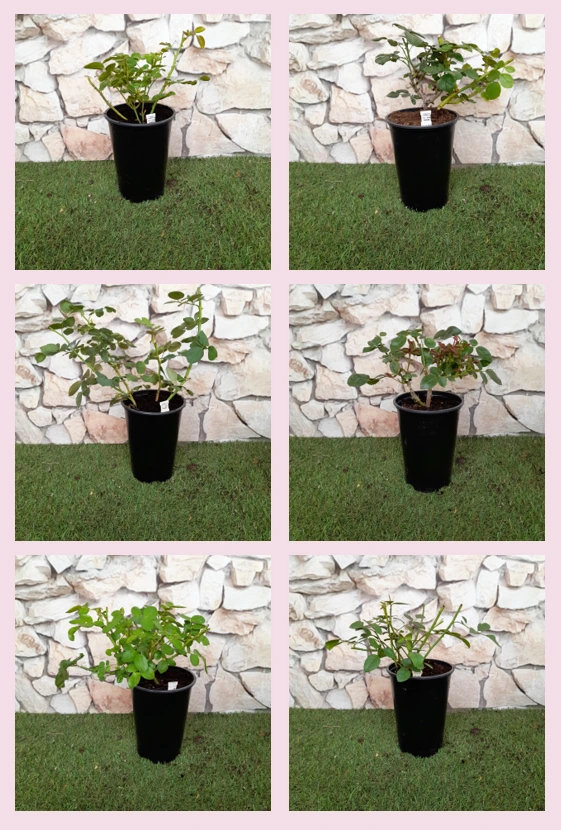
MALAGA – orange-peach hybrid tea rose - Interplant
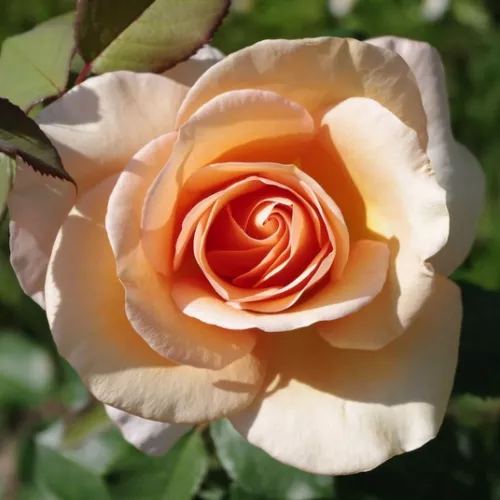
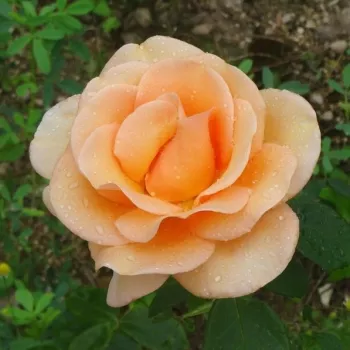
Imagine a sheltered coastal veranda where you can enjoy late-afternoon tea, framed by the warm peach-orange blooms of MALAGA gently moving in the breeze. This compact hybrid tea was selected for its reliable rebloom, neat habit and medium maintenance needs that suit busy households who still want a refined cut-flower look. Its semi-double flowers open easily, offering a lightly peachy perfume and accessible stamens that support visiting pollinators, before setting decorative orange-red hips for autumn interest. Planted in well-drained soil it settles securely, coping gracefully with brisk, salty winds common in British coastal gardens. In a 40–50 litre container or a small front bed, its own-root resilience quietly builds year by year, from establishing roots, to stronger shoots, to full garden presence that feels effortlessly lasting.
Usage options
| Target area | Reasoning |
|---|
| Coastal veranda container (40–50 litres) |
A single MALAGA in a generous 40–50 litre pot gives you hybrid-tea elegance without demanding care, its compact, upright growth staying tidy beside doors or seating and suiting time-pressed, style-conscious beginners. |
| Small coastal front garden bed |
In exposed Cornish or Devon front gardens this rose establishes a firm framework of woody stems that anchor it against regular onshore breezes, providing steady flower production for practical, good-value homeowners. |
| Cut-flower corner near the patio |
The long, straight stems and large, warm-toned blooms are ideal for casually cutting a few stems for the breakfast table, giving repeated vases across the summer for relaxed but design-aware urbanites. |
| Mixed border with lavender and grasses |
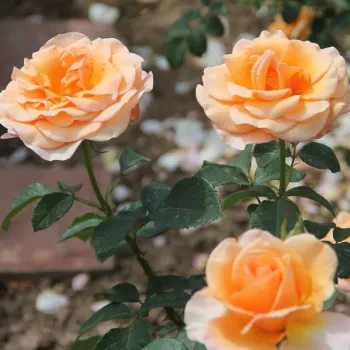
Pairing MALAGA with lavender, blue-fescue or sea kale highlights its orange-apricot petals and dark foliage, while its remontant flowering keeps colour running through the season for coastal-style garden enthusiasts. |
| Low, informal flowering hedge |
Planted 35 cm apart, its compact height and moderate spread form a low, semi-transparent hedge that defines paths or drive edges without overpowering the space, appealing to practical family-garden planners. |
| Pollinator-supporting rose feature |
Semi-double blooms with accessible stamens offer pollen before setting abundant hips, adding movement and life around seating areas in gardens where wildlife interest matters to environmentally aware gardeners. |
| Long-lived focal point by a seating area |
As an own-root shrub it builds a durable framework, regenerating from the base rather than relying on a graft, giving stable ornamental value over many years for those seeking low-hassle yet enduring investment. |
| Seasonal highlight bed in heavy soil |
Given improved drainage in heavier clay it rewards you with waves of repeat flowering from a compact footprint, matching the rhythms of a typical three-year establishment arc for forward-thinking garden planners. |
Styling ideas
- Seaside-terrace – Place MALAGA in a weathered 50 litre clay pot with silvered decking furniture, echoing beach tones – ideal for coastal veranda owners wanting colour without fuss.
- Pastel-border – Combine with lavender and pale blue perennials to soften its peach-orange blooms into a calm, summery palette – suited to beginners creating a gentle family seating area.
- Cut-flower-nook – Plant three in a triangle near the back door to provide regular, easy-to-reach stems for indoor vases – perfect for busy households who still appreciate fresh arrangements.
- Modern-minimal – Use a single plant in a square charcoal container, underplanted with low blue Festuca, for a clean, architectural look – for style-led urban gardeners short on space.
- Wildlife-ribbon – Thread a short row through a border with pollinator-friendly herbs, letting flowers and hips feed insects and add autumn colour – attractive to families encouraging nature in the garden.
Technical cultivar profile
| Parameter | Data |
|---|
| Name and registration |
Hybrid tea rose, registered as INTergala, marketed as Malaga Hybrid tea rose INTergala; a premium bronze-rated cultivar for garden and cutting use in UK family settings. |
| Origin and breeding |
Bred by Interplant Roses B.V. in the Netherlands and introduced in 2000, this hybrid tea reflects Dutch breeding for strong stems and reliable garden performance in temperate European climates. |
| Growth and structural characteristics |
Upright, compact bush 70–95 cm tall and 40–60 cm wide, with moderately dense dark green foliage and moderate prickles, forming a neat, easily managed structure for beds or containers. |
| Flower morphology |
Semi-double, cup-shaped blooms with 13–25 petals, solitary on stems, large-flowered and remontant, giving a particularly generous second flush when well watered and lightly deadheaded in season. |
| Colour data and phenology |
Peach–orange flowers (orange-apricot) with salmon sheen; buds deep orange, then softening through peach-pink to creamy pastel, maintaining good colour retention from early summer into autumn. |
| Fragrance and aroma |
Medium-strength, distinct peach fragrance noticeable at close range, especially in warm, still weather, adding sensory interest near paths, seating areas and frequently used access points in the garden. |
| Hip characteristics |
Produces abundant, small ellipsoidal hips, 8–12 mm across, orange-red RHS 40A, valued for ornamental autumn display and occasionally used decoratively as cut fruit with late-season foliage. |
| Resistance and winter hardiness |
Hardy to approximately -21 to -18 °C (RHS H7, USDA 6b), with good resistance to powdery mildew and black spot, moderate rust sensitivity, and needing regular watering during extended dry spells. |
| Horticultural recommendations |
Best in sunny positions at 35–75 cm spacing, with improved drainage on heavier soils; maintenance is moderate, responding well to deadheading and standard pruning for compact, floriferous plants. |
MALAGA – orange-peach hybrid tea rose - Interplant offers compact reblooming colour, cut-quality stems and own-root durability for long-term enjoyment, making it a thoughtful choice for relaxed yet refined British gardens.