Mamiethalène – lilac flower-bed shrub rose – Massad
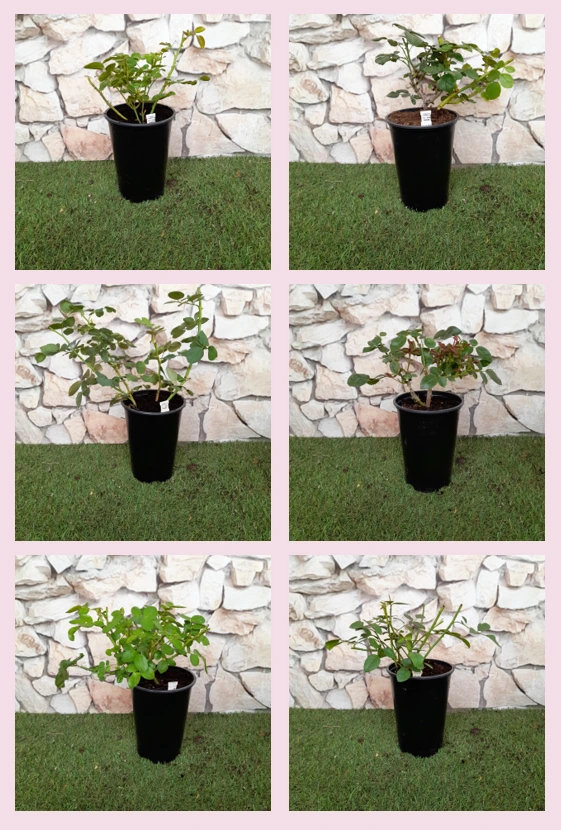
With its soft lilac blooms and bushy habit, Mamiethalène brings a sense of seaside refreshment to compact British gardens, gently filtering breezes while coping well with blustery, coastal weather and typical garden soils that need reliable drainage. This Provençelles shrub rose flowers generously in repeat flushes from early summer into autumn, giving months of colour with minimal attention beyond basic feeding and an annual prune. In an own-root, 2‑litre form it settles in steadily, building a strong rootstock that supports long-term health, easy recovery after harsh winters and consistent, tidy structure. Over its first seasons you will see roots establishing, then shoots filling out, and by the third year the plant will reach its full ornamental impact as a dense, flowering hedge or feature in pots of at least 40–50 litres on a sunny veranda.
Usage options
| Target area |
Reasoning |
| Small coastal front garden bed |
Bushy, medium-height growth and repeat flowering make this rose ideal for a compact, seaside-style border that needs colour but must cope with wind and occasional salt-laden air, suiting time-pressed homeowners and beginners. |
| Feature rose in a large container |
Its dense foliage and lilac-toned flowers read beautifully in a 40–50 litre pot, where the own-root plant forms a stable framework and long-lived display with straightforward care for balcony and veranda gardeners. |
| Low informal hedge along a path |
The recommended planting distances allow you to create a softly structured edging hedge; the bushy habit knits together into a gentle screen with reliable repeat bloom that suits relaxed family gardens. |
| Mixed shrub and perennial border |
Semi-double, cluster-flowered heads add colour without dominating, combining well with coastal perennials while the own-root form ensures steady regeneration and a dependable presence for casual home planters. |
| Shingle or gravel planting strip |
Planted into improved soil beneath shingle, its moderate size, good anchoring roots and tolerance of breezy conditions make it a graceful accent rose for those creating low-fuss, beach-inspired layouts. |
| Family play-area backdrop |
The mid-height, bushy structure provides a soft backdrop to play spaces, offering seasonal colour without excessive height, and suiting households wanting easy ornament rather than intensive maintenance. |
| Season-long colour focus by the terrace |
Strong repeat flowering and abundant second flushes give a long season of lilac-purple colour close to seating areas, ideal for evening tea and relaxed entertaining for casual rose enthusiasts. |
| Structured accent in clay-based gardens |
Once planted into well-prepared, free-draining pockets, the bushy habit and own-root durability provide a stable, long-term accent, even where heavier soils and wet spells are common for coastal-style projects. |
Styling ideas
- Coastal-cup – Underplant Mamiethalène with blue Festuca and sea kale to echo shingle beaches – for coastal-style lovers seeking gentle structure and long-season lilac colour.
- Veranda-chic – Grow one plant in a 50 litre container with trailing silver foliage plants to frame outdoor seating – for urban balcony owners wanting an easy, long-lived focal rose.
- Lavender-ribbon – Alternate with low Lavandula along a path to create a fragrant, pastel hedge – for families who prefer simple pruning and reliable, medium-height structure.
- Shingle-pocket – Tuck groups of three into improved soil pockets within gravel to soften parking or front drives – for homeowners designing low-maintenance, beach-inspired front gardens.
- Perennial-mist – Combine with Brunnera and soft grasses in a mixed border for a hazy lilac and blue effect – for hobby gardeners wanting gentle repeat colour without complex care.
Technical cultivar profile
| Trait |
Data |
| Name and registration |
Shrub rose from the Les Provençelles collection; registered as MASmatha, marketed as Mamiethalène Les Provençelles MASmatha, a flowerbed shrub rose for garden and container use. |
| Origin and breeding |
Bred by Dominique Massad in France and introduced in 2015 by Pétales de Roses, with parentage not publicly disclosed, reflecting contemporary shrub-rose breeding for garden performance. |
| Growth and structural characteristics |
Bushy shrub reaching about 75–105 cm in height and 60–85 cm spread, with moderately thorny stems and dense, slightly glossy mid-green foliage that creates a well-filled, compact outline. |
| Flower morphology |
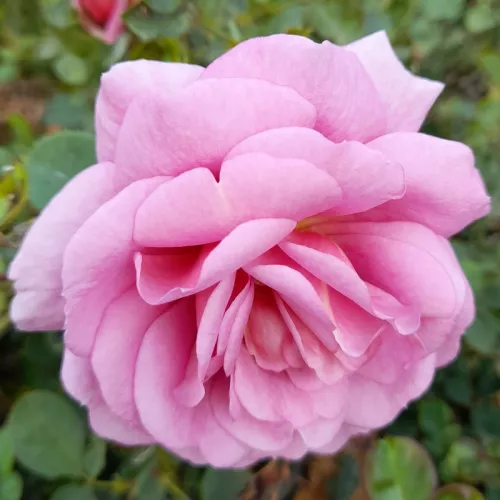
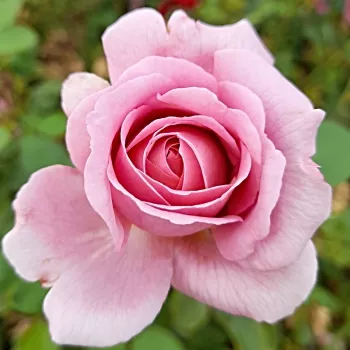
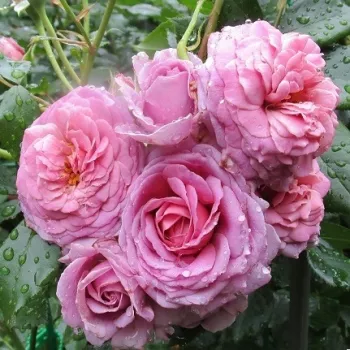
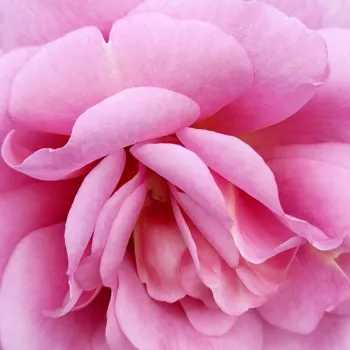
Semi-double, cup-shaped flowers with 13–25 petals, borne in clusters of large blooms, repeating well through the season with particularly abundant second flushes, giving generous ornamental effect. |
| Colour data and phenology |
Colour ranges from glossy fuchsia-pink and lilac-magenta in new flowers to violet-purple and pastel lavender-lilac, fading slightly in strong sun yet remaining attractive from bud to petal fall. |
| Fragrance and aroma |
Gently scented rose with a pleasant, subtle background fragrance rather than a strong perfume, designed more for visual impact than for intense olfactory effect in the garden. |
| Hip characteristics |
Rose hips form only occasionally due to the semi-double flowers; where present they are small, spherical, orange-red, typically around 8–12 mm across, adding modest late-season interest. |
| Resistance and winter hardiness |
Rated H7 and hardy to approximately −21 to −18 °C, with medium resistance to common fungal diseases; benefits from basic preventive care and regular watering during extended dry periods. |
| Horticultural recommendations |
Best in sunny sites with well-drained soil; plant 40–80 cm apart depending on use, allow 4.2–4.8 plants/m² for massing, and provide occasional plant protection plus annual pruning for shape. |
Mamiethalène Les Provençelles MASmatha offers long-season lilac colour, bushy structure and reliable own-root longevity, making it a thoughtful choice for relaxed, coastal-inspired family gardens and verandas.