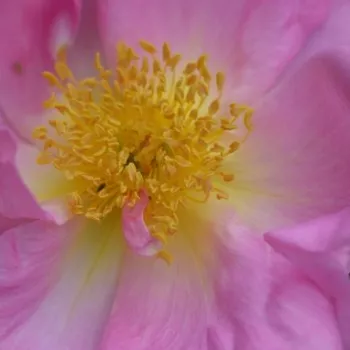
MARGUERITE HILLING – pink park rose – Hilling
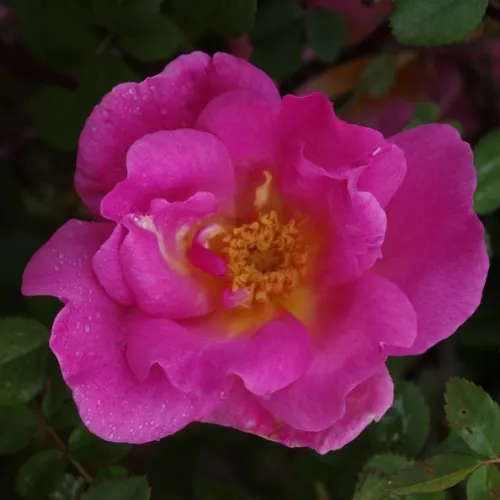
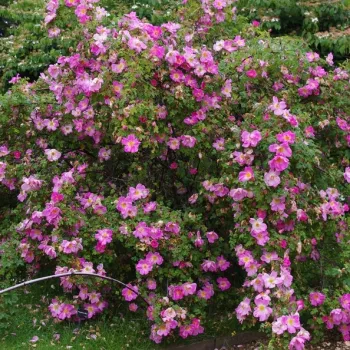
Along a breezy Cornish terrace or Devon veranda, MARGUERITE HILLING brings relaxed coastal charm with generous mid‑pink blooms and an easy, bushy outline that naturally helps shelter you from brisk seaside winds and salt‑tinged air. Its remontant flowering gives a long, colourful season with minimal fuss, while own‑root resilience promises a quietly reliable, long‑lived presence in family gardens. In its first years it settles steadily – first building roots, then pushing taller shoots, and by the third season offering full ornamental value with confident structure and abundant clusters. Semi‑double, pollen‑rich flowers invite visiting bees, and the dense, slightly glossy foliage creates a soft, green backdrop for shingle, sea‑kale and lavender plantings. In containers or in the ground, this medium‑maintenance shrub rose suits busy gardeners who value steady impact over showy novelties and dependable refreshment over short‑lived spectacle. Its balanced habit, moderate height and refined texture also work well where space is shared with children’s play or relaxed seating. With remontant clusters that clean reasonably well on their own and a mild, rosy fragrance, it offers you a quietly civilised way to enjoy seaside‑inspired planting and afternoon tea behind a living windbreak.
Usage options
| Target area | Reasoning |
|---|
| Coastal veranda in a large container |
In a 40–50 litre container, MARGUERITE HILLING forms a stable, bushy shrub with dense foliage that brings structure to small, exposed seating areas while coping well with breezy, salt‑touched air; ideal for coastal‑style beginners. |
| Flowering windbreak by a patio |
The tall, branching habit and solid frame create a light, flowering screen that softens gusty winds around your terrace without feeling heavy, so you can sit in shelter while enjoying open pink blooms; well suited to family‑garden homeowners. |
| Low‑maintenance pink hedge |
Planted at hedge spacing, its dense, mid‑green foliage and repeat semi‑double flowers form a relaxed but effective boundary that needs only occasional shaping, giving colour and cover with modest routine care; reassuring for busy garden owners. |
| Specimen rose in a small to medium lawn |
As a solitary shrub, the upright, rounded framework and long flowering season add a strong focal point without demanding intricate pruning, making it easy to keep one impressive rose as a garden anchor for hobby gardeners. |
| Naturalistic, pollinator‑friendly border |
The open, stamen‑showing flowers attract bees and other useful insects, combining well with ornamental grasses and coastal perennials to create a loose, meadow‑like feel that still looks intentional for nature‑loving households. |
| Urban front garden with partial shade |
Tolerating some shade and city conditions, it brings reliable pink colour and leafy volume to small front gardens where time and space are tight, maintaining its form with only moderate pruning; practical for busy urban residents. |
| Long‑term structural planting in clay soil |
Once established, the robust root system and firm framework anchor the plant well, coping with typical heavier garden soils provided drainage is sensible, so your investment settles into a long‑lived feature for quality‑conscious buyers. |
| Layered planting with climbers and shrubs |
Its height, strong frame and generous flowering work beautifully behind lower shrubs and alongside climbers like honeysuckle or clematis, giving a mature, three‑dimensional effect with comparatively simple upkeep for informal‑border enthusiasts. |
Styling ideas
- Seaside‑Shingle Screen – Plant in a loose row behind shingle mulch with sea kale and blue fescues to echo a windswept beach edge – ideal for coastal‑style veranda owners.
- Tea‑Time Focus – Use one shrub near a small table and chairs, underplanted with soft catmint and pale pink diascia – perfect for homeowners wanting a gentle afternoon retreat.
- Bee‑Friendly Drift – Group three plants with lavender and thyme to create a humming, low‑maintenance nectar corner – appealing to families keen to support pollinators.
- Romantic Hedgewalk – Form a relaxed hedge along a path and weave in clematis through the framework for layered pink and purple interest – suited to informal‑garden romantics.
- Urban Courtyard Anchor – Place one in a large 50‑litre pot with trailing rosemary and grasses to soften walls and paving – designed for busy city gardeners with limited space.
Technical cultivar profile
| Parameter | Data |
|---|
| Name and registration |
MARGUERITE HILLING is a Hybrid Moyesii shrub rose, marketed as a park rose; it is an unregistered sport of ‘Nevada’ and is traded under the Hilling name in the park‑shrub group. |
| Origin and breeding |
Originating in the United Kingdom, this sport of ‘Nevada’ was selected and introduced in 1959 by Thomas Hilling of T. Hilling & Co., Chobham, and remains associated with their traditional shrub range. |
| Growth and structural characteristics |
Forms a tall, bushy shrub approximately 200–280 cm high and 170–250 cm wide, with slightly thorny shoots, dense, mid‑green, lightly glossy foliage and a naturally spreading, informal outline. |
| Flower morphology |
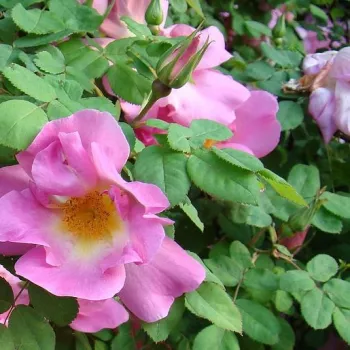
Bears mid‑sized, flat, semi‑double flowers with about 13–16 petals, typically in clusters; remontant blooming gives an abundant first flush followed by a strong second flowering period in season. |
| Colour data and phenology |
Blooms open intense mid‑pink, ARS Mp, RHS 65B‑C, then soften towards pastel pink with a pale, almost whitish halo along petal edges as they age, creating layered tonal effects on the bush. |
| Fragrance and aroma |
Fragrance is mild yet pleasantly rosy, adding a restrained scent that complements seating areas without overpowering; best appreciated at close range around patios, paths and sheltered sitting spots. |
| Hip characteristics |
Occasionally sets small, spherical hips around 14–22 mm across, coloured dark red to almost black, adding a discreet autumn accent without dominating the plant’s overall ornamental appeal. |
| Resistance and winter hardiness |
Hardy to about −32 to −29 °C (USDA 4b, RHS H7), with moderate overall disease resistance, good black spot resistance and acceptable performance under typical UK conditions with sensible care. |
| Horticultural recommendations |
Suited to hedging, specimen and park uses; plant with 140–230 cm spacing, in sun or partial shade, in well‑drained soil; moderate maintenance, with irrigation helpful in prolonged summer droughts. |
MARGUERITE HILLING offers long‑season remontant flowering, a tall, bushy wind‑softening presence and dependable own‑root longevity, making it a thoughtful choice for relaxed coastal‑inspired family gardens.