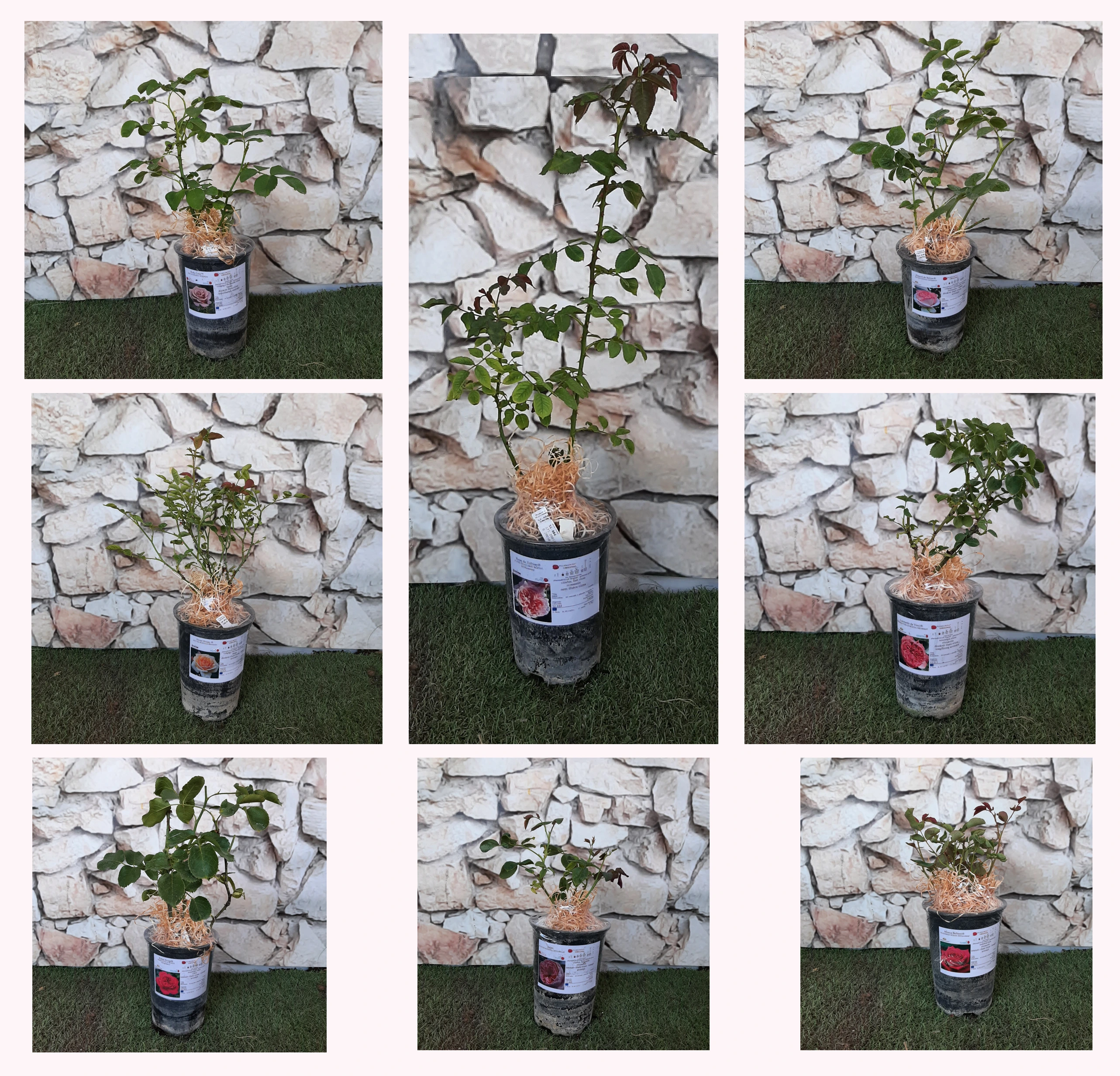
MARIE DE BLOIS – pale pink historic moss rose – Français & Robert
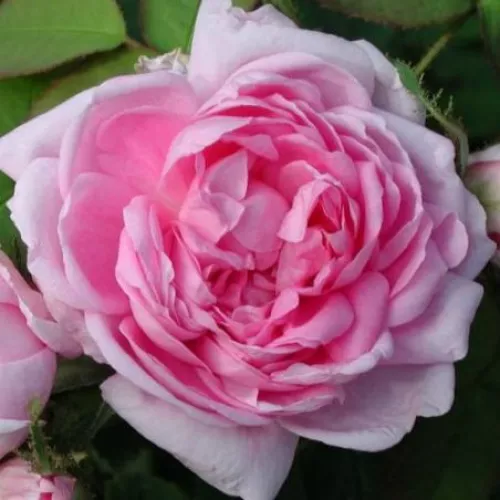
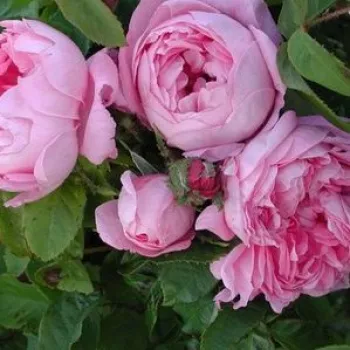
Step onto your veranda after a windy walk on the shore and let Marie de Blois bring a sense of coastal calm to your family garden: an upright, gracefully-arching shrub that fits neatly into small borders or shingle beds yet gives a full, romantic effect. Its pale pink, rosette blooms, dusted over mossed buds and stems, echo seashell textures and vintage postcards from Cornwall and Devon. The strong, long-lasting fragrance drifts well in sheltered corners, so you can enjoy tea behind a natural windbreak while it flowers in generous flushes from early summer into autumn. Planted in well-drained soil that copes with coastal rain and wind, this own-root shrub establishes steadily – roots in the first year, top growth in the second, and full ornamental presence by the third – providing lasting character, reliable structure and a quietly elegant, seaside ambience with minimal fuss about specialist rose skills.
Usage options
| Target area | Reasoning |
|---|
| Coastal veranda feature in a large container |
Works well in a single, 40–50 litre container where its upright yet arching habit forms a vertical accent that shelters a seating nook. Own-root growth gives a long-lived, regenerating plant that copes with pot renewal for busy veranda owners. |
| Shingle or gravel bed in a small family garden |
Historic, mossed stems and pastel flowers sit naturally among shingle, echoing shells and sea-worn pebbles while requiring only basic seasonal care. Well-prepared drainage helps it handle blustery, rain-lashed weather typical of exposed coastal plots for coastal-style gardeners. |
| Romantic specimen near a seating area |
The strong, sweet fragrance and full rosette blooms are best appreciated up close, making it ideal beside a bench or terrace, where spent blooms can be deadheaded during relaxed garden moments by scent-loving beginners. |
| Loose flowering screen or informal windbreak |
At 130–210 cm, the shrub’s upright structure can be used in a staggered row to filter wind and frame views, softening fences while maintaining a light, airy feel that suits modest-sized UK family gardens for homeowners seeking shelter. |
| Historic-rose border with cottage-garden perennials |
Its heritage character and repeat flush of pale pink blooms pair beautifully with silvery foliage and soft blues, creating a timeless cottage look that returns year after year from the same robust root system for traditional-plant enthusiasts. |
| Partially shaded side path or north-east aspect |
Tolerates partial shade, allowing planting where sun is limited but still sufficient for flowering, extending the use of awkward side strips or house corners without demanding complex soil improvement from space-conscious gardeners. |
| Feature rose in clay-based coastal soils |
Once drainage is improved with grit or organic matter, its strong anchoring roots support an upright shrub that remains stable in winter gales and heavy rain common in coastal regions, rewarding simple preparation by practical garden owners. |
| Small heritage collection or themed rose corner |
Ideal for a compact historical rose group, where its mossed buds, pale colouring and French origin add authenticity and narrative interest, giving long-term ornamental value without the need for graft management for history-minded collectors. |
Styling ideas
- Shellwalk Border – Plant in a gravel strip with sea kale, Festuca and driftwood accents to echo a Cornish shell-strewn path – ideal for lovers of coastal walks.
- Veranda Retreat – Use a single large container flanked by low Heuchera and lanterns to create a scented reading corner – perfect for balcony and veranda relaxers.
- Cottage Ribbon – Thread along a picket fence with lavender and Saxifraga at the base for a soft, old-world edge – suited to romantic cottage-garden fans.
- Pastel Hedge – Space plants as a loose, flowering screen edging a lawn, underplanted with dwarf grasses for movement – good for families needing gentle privacy.
- Heritage Focus – Make it the centrepiece of a small historic-rose bed, framed by terracotta pots and vintage-style furniture – appealing to collectors of classic French roses.
Technical cultivar profile
| Parameter | Data |
|---|
| Name and registration |
Historic moss rose, current trade name MARIE DE BLOIS – pale pink historic moss rose – Français & Robert; ARS exhibition name Marie de Blois; unregistered cultivar in the heritage rose group. |
| Origin and breeding |
Historical French moss rose introduced in 1852 by breeder Français – André Robert; parentage unknown, initially distributed by Lens Roses in Belgium, representing classic nineteenth-century garden selection. |
| Growth and structural characteristics |
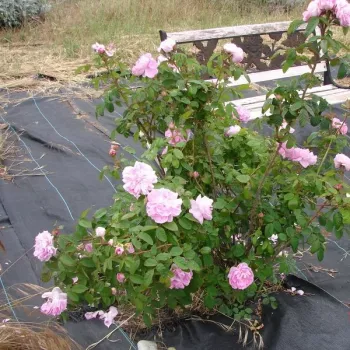
Upright shrub with moderately dense, mid-green, slightly glossy foliage, height about 130–210 cm and spread 105–175 cm; densely thorned mossy stems, better suited to background or feature planting than narrow paths. |
| Flower morphology |
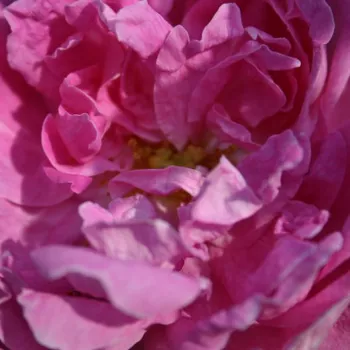
Large, very full rosette blooms with more than 40 petals, borne mainly in clusters; remontant with a plentiful second flowering, but with weak self-cleaning so regular deadheading maintains appearance and promotes repeat bloom. |
| Colour data and phenology |
Pale pink flowers with subtle lavender undertone; buds powder pink, opening pastel pink then lightening towards creamy white outer petals; colour retention moderate, softening further in strong sun yet richer in cooler conditions. |
| Fragrance and aroma |
Strong, long-lasting scent with a slightly sweet character, best appreciated near seating or paths; very double form conceals stamens, so flowers are primarily ornamental with relatively low attractiveness to pollinating insects. |
| Hip characteristics |
Rose-hip formation generally sparse due to very double flowers; when present, hips are globular, orange-red, around 12–18 mm in diameter, adding small autumn interest without being a dominant feature. |
| Resistance and winter hardiness |
Hardy to approximately −21 to −18 °C (RHS H7, USDA 6b, Swedish zone 3); requires regular watering in heat, with moderate drought tolerance; disease resistance modest, with particular sensitivity to rust in damp seasons. |
| Horticultural recommendations |
Best in well-drained soil with improved structure on heavy clay; maintenance higher than modern roses, with routine plant protection and deadheading advised; suitable for beds, specimen use, informal hedging and park-style plantings. |
MARIE DE BLOIS offers fragrant, repeat-flowering historic charm in compact coastal or veranda spaces, with own-root longevity that rewards a little extra care over many seasons; consider it when you want a romantic, enduring focal point.