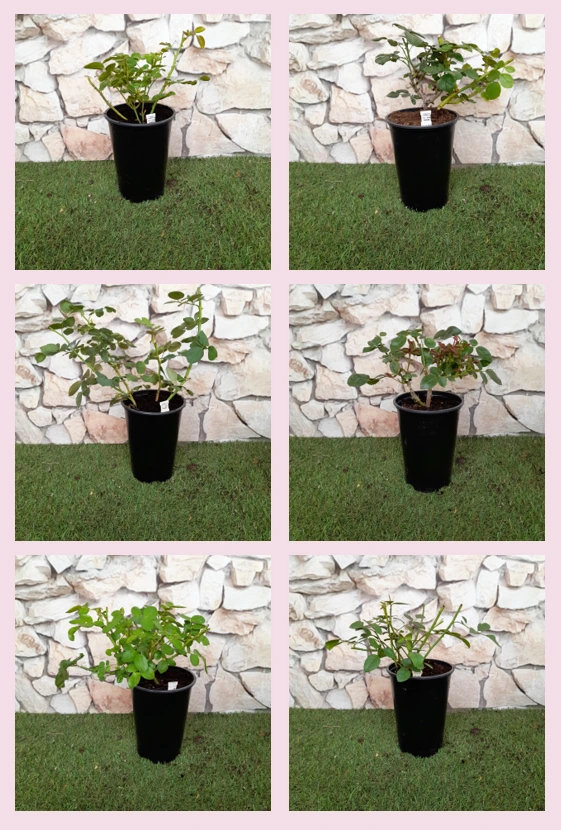
MARIE NATALE – apricot‑pink tea hybrid rose – Nakazawa
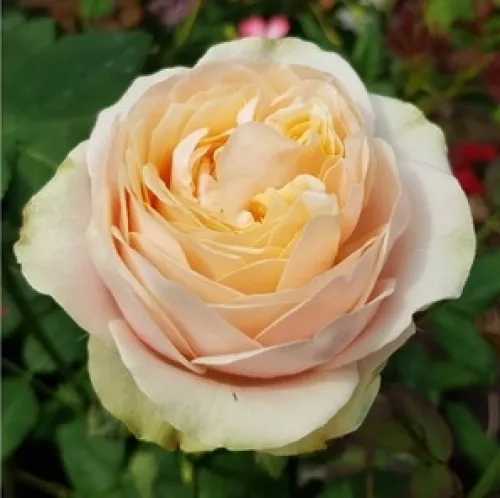
Imagine sipping tea on a breezy veranda while petals in soft apricot‑pink shades nod gently above the shingle, giving a quietly glamorous focus without demanding constant work. MARIE NATALE settles well into coastal family gardens, handling exposed spots where good anchorage in freely draining soil helps it stand firm against gusty weather and rain‑laden air by the sea. Generous repeat flowering brings XL blooms for cutting from early summer onwards, with a full‑bodied, fruity fragrance that drifts through an open window. As an own‑root rose it offers reassuring longevity, steady regrowth after pruning, and a stable shape that you can rely on year after year, with roots establishing first, then stronger shoots, and by the third season its full ornamental value emerging with calm, dependable ease.
Usage options
| Target area |
Reasoning |
| Coastal veranda containers (40–50 litre+) |
XL, very double blooms and strong fruity scent give you a single, glamorous focal point on a sunny, sheltered veranda, while the own‑root habit ensures dependable longevity in larger containers for relaxed coastal‑style beginners |
| Small front gardens near the sea |
Compact, upright growth with dense foliage helps anchor the planting visually, giving structure without overwhelming narrow spaces, and copes well where breezy, rain‑laden conditions are part of everyday life for busy homeowners |
| Cut‑flower corner in family gardens |
Solitary, globular hybrid tea blooms on sturdy stems are ideal for gathering a few perfumed stems for the table, offering repeat flushes so there is usually something to pick for keen but time‑poor hobby‑gardeners |
| Mixed rose and perennial borders |
The mid‑green, slightly glossy foliage forms a calm backdrop for the nuanced apricot‑pink flowers, pairing well with soft grasses and pastel perennials to create a long‑lived, low‑fuss feature for relaxed garden‑lovers |
| “Girly” shingle and gravel beds |
The refined colour shifts from peach to creamy pink and silvery tones read beautifully against pale shingle, lending a feminine, seaside feel with minimal pruning needs for style‑conscious coastal‑enthusiasts |
| Structural accent near seating areas |
Its upright habit and 75–110 cm height sit comfortably beside benches or garden chairs, giving scented privacy without forming a heavy hedge, ideal for compact outdoor rooms used by urban balcony‑owners |
| Own‑root legacy planting for long term |
Grown on its own roots, MARIE NATALE regenerates steadily from the base after pruning or weather damage, maintaining ornamental value and form over many years, a reassuring prospect for forward‑planning families |
| Salt‑influenced clay soils with improved drainage |
In coastal gardens where wind and rain are frequent, planting into improved, free‑draining clay with space for roots to deepen supports anchorage and resilience, even in exposed spots cherished by seaside residents |
Styling ideas
- Shingle‑chic – Set MARIE NATALE in pale gravel with sea kale and compact Festuca for a soft, feminine coastal look – suited to relaxed seaside veranda owners
- Pastel‑border – Combine with Lupinus ‘Gallery Pink’ and Physostegia ‘Rosea’ in a mixed border for a long‑season blush of pinks – ideal for cottage‑style gardeners
- Tea‑corner – Position a single plant by a bistro set where its XL scented blooms can be enjoyed at close quarters – perfect for small‑space terrace users
- Cutting‑row – Plant a short row at 40–65 cm spacing to supply repeat flushes of tall, elegant stems for vases – appealing to home floristry enthusiasts
- Evergreen‑edge – Pair with low Lonicera pileata to frame a path or seating area, the rose rising above neat evergreen groundcover – useful for low‑maintenance planners
Technical cultivar profile
| Parameter |
Data |
| Name and registration |
MARIE NATALE hybrid tea rose, florists rose; current trade name: MARIE NATALE – apricot‑pink tea hybrid rose – Nakazawa; collection: Hybrid tea rose; commercial type and group: hybrid tea rose. |
| Origin and breeding |
Hybrid tea rose bred in Japan by Tadashi Nakazawa around 2006; parentage unknown; breeding company and initial distributor not recorded; introduced as a premium florist‑type garden hybrid tea. |
| Growth and structural characteristics |
Upright, compact habit reaching 75–110 cm in height with 50–70 cm spread; dense, mid‑green, slightly glossy foliage and moderate prickles; forms a balanced, vertical accent in smaller garden settings. |
| Flower morphology |
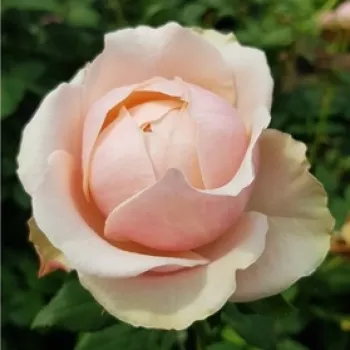
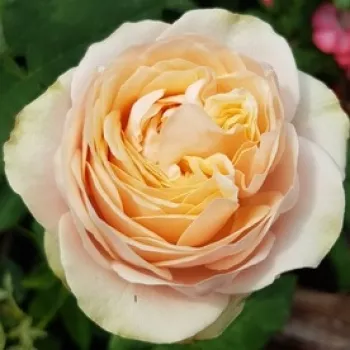
Very double, globular to pompon hybrid tea blooms with 40+ petals; XL flowers typically borne singly on stems; remontant, with a generous second flowering flush offering repeated ornamental display. |
| Colour data and phenology |
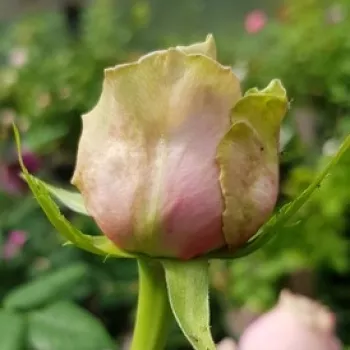
Apricot‑pink overall effect; buds deep pink with peach sheen; newly opened blooms show vivid peach‑orange centres and cream‑pink outer petals; colour softens to creamy pink, then to a silvery, slightly green‑tinged fade. |
| Fragrance and aroma |
Strongly scented rose with a full‑bodied, fruity fragrance character, perceptible at close distance and around seating areas; suitable for gardeners seeking decorative hybrid tea form with notable perfume. |
| Hip characteristics |
Rosehip formation expected to be limited because of the highly double flowers; occasional hips may appear, generally small and not a principal ornamental feature of this cultivar. |
| Resistance and winter hardiness |
Classified H7, hardy to approximately −21 to −18 °C (USDA 6b, Swedish zone 3); disease resistance medium overall, with moderate susceptibility to powdery mildew, black spot and rust under pressure conditions. |
| Horticultural recommendations |
Best as a specimen or in small groups; spacing 35–65 cm depending on use; medium maintenance with occasional pest and disease control; prefers well‑drained soil, regular watering and balanced feeding for repeat flowering. |
MARIE NATALE combines glamorous, fragrant XL hybrid tea blooms with compact, easy‑to‑place growth and the long‑term reassurance of an own‑root plant, making it a thoughtful choice for relaxed coastal and family gardens.