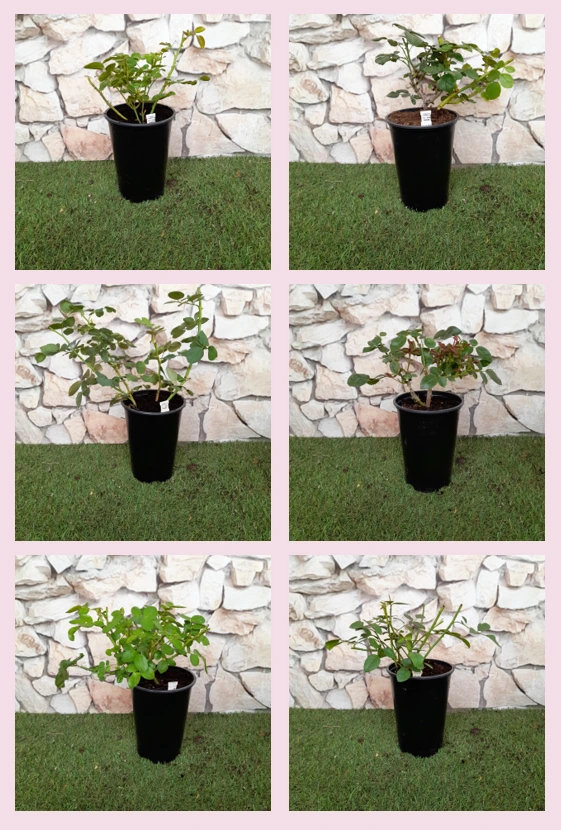
MARJORIE PROOPS™ – orange-red tea-hybrid rose – Harkness
Imagine stepping onto your coastal veranda after a blustery walk, seashells in hand, and being greeted by sunlit blooms of Marjorie Proops, their fresh, fruity fragrance cutting gently through the salty air. This compact, upright hybrid tea rose offers reliable remontant flowering from summer onwards, giving you classic exhibition-style orange-red blooms that soften to peachy tones as they age. Bred in Britain for dependable garden performance, it settles well even where breezes are keen and soils can be heavy, providing secure anchoring while still appreciating reasonable drainage in typical UK family plots. In its pharmaROSA® ORIGINAL 2-litre own-root form, the plant establishes steadily and is designed for a long, stable life: roots building in year one, well-furnished shoots in year two, and full ornamental value by year three. With medium maintenance needs and good disease resistance, it suits busy gardeners who want structure, colour and a touch of coastal romance without complicated routines.
Usage options
| Target area | Reasoning |
|---|
| Feature rose in a small coastal front garden |
The upright, 100–140 cm framework gives a clear focal point without overwhelming a compact plot, while the moderately thorny stems discourage casual trampling near paths or parking. Works well where you want strong colour that stands up visually to bright seaside light and wind-moved gravel or shingle surfaces, echoing a classic British front garden feel for the busy homeowner. |
| Container on a sheltered seaside veranda or balcony |
Marjorie Proops performs well in a substantial container; choose at least 40–50 litres so the own-root system can anchor securely and buffer occasional drying winds. Place in a bright but reasonably protected corner and underplant with low grasses or lavender to shade the compost. This suits veranda decorators and coastal flat dwellers seeking manageable potted structure for the urban gardener. |
| Season-long colour by a seating area |
With remontant flowering and an abundant second flush, this hybrid tea can keep a tea corner or bench setting lively through much of the summer. The succession of buds, perfect cups and fading peachy blooms gives ongoing interest at eye level, encouraging you to sit out even on breezier afternoons, ideal for those who unwind outdoors with minimal fuss as a garden relaxer. |
| Mixed border with perennials and grasses |
The moderately dense, dark green foliage provides a calm vertical element among looser textures such as sea kale, Festuca and Lavandula. Its uniform growth habit makes it easy to repeat along a bed without gaps or odd angles, keeping the border tidy even when perennials are cut back, supporting the aspirations of the design-conscious amateur. |
| Low, formal hedge or path edging |
Planted at 40 cm intervals, Marjorie Proops can form a low, upright hedge with coherent height and colour, guiding the eye along a path or framing a lawn. Moderate prickliness gives a subtle barrier, while the orange-red blooms add warmth without seeming harsh, an attractive option for homeowners who enjoy simple structure as a practical planner. |
| Cut flowers from your own garden |
Originally bred as a hybrid tea for exhibition-type blooms, this cultivar offers long-stemmed, cup-shaped flowers that stand well in vases. The medium, fresh-fruity fragrance is noticeable indoors without being overpowering, allowing you to bring a hint of coastal sunlight inside, which appeals to home decorators who like home-grown arrangements as a creative stylist. |
| Wind-aware planting in exposed family plots |
The upright, not overly tall framework and sound root system in own-root form cope well with typical British breezes, particularly where you give reasonable soil preparation and drainage to balance heavier clays with secure anchoring in blustery corners. This is reassuring for families gardening near windy coasts or open fields as a risk-aware beginner. |
| Long-term, low-fuss rose for busy lifestyles |
Medium maintenance with built-in resistance to powdery mildew and black spot means simple, routine checks rather than constant spraying. Own-root stock supports recovery after occasional neglect and avoids the graft-suckering issues of budded plants, so you can prune and tidy with confidence, well suited to time-pressed owners wanting reliability as a casual gardener. |
Styling ideas
- Shell-Path Welcome – plant a pair flanking a gravel or shingle path, underplanted with Festuca and sea kale to echo the beach while the orange-red cups glow against pale stones – ideal for coastal terrace owners seeking a gentle seaside entrance.
- Harbour-View Pot – one rose in a 50-litre terracotta tub with trailing sea thrift or low thyme softens balcony edges while keeping a clear vertical accent – perfect for flat dwellers wanting colour without complex maintenance.
- Sunset Border – repeat at 75 cm through a mixed bed of lavender, catmint and silvery foliage to create a sunset-toned ribbon that flowers through summer – suited to hobby gardeners designing relaxed but coherent borders.
- Tea-Corner Trio – group three plants near a small seating area, with a backdrop of smokebush ‘Royal Purple’ to set off the warm blooms during afternoon tea – appealing to those who value a defined, fragrant relaxation nook.
- Family Hedgelet – a short run along a play-lawn edge offers soft screening and seasonal colour while remaining easy to reach for light pruning and the odd vaseful – designed for families wanting order without high upkeep.
Technical cultivar profile
| Parameter | Data |
|---|
| Name and registration |
MARJORIE PROOPS™ hybrid tea rose (HARproops), hybrid tea group, commercial exhibition-type garden rose; ARS exhibition name ‘Marjorie Proops’, verified premium gold quality for own-root container supply. |
| Origin and breeding |
Bred by John Harkness, R. Harkness & Co. Ltd., Hitchin, Hertfordshire, from ‘Red Dandy’ × ‘Ena Harkness’; bred and registered in 1969, introduced in the United Kingdom in 1971. |
| Growth and structural characteristics |
Upright, bushy plant 100–140 cm high and 60–85 cm wide, moderately thorny canes, moderately dense, slightly glossy dark green foliage; suited to single planting, small groups, hedging and large containers. |
| Flower morphology |
Hybrid tea, large double cup-shaped blooms, 26–39 petals, typically borne singly on stems; strong, formal flower form with remontant habit delivering a generous second flush in suitable conditions. |
| Colour data and phenology |
Vibrant orange-red base with golden-yellow inner tones; buds deep orange-red with pale golden tips; colour lightens through opening to peach shades before fading, colour retention moderate in strong sun. |
| Fragrance and aroma |
Medium strength, fresh fruity scent noticeable on still days and when used as a cut flower indoors; fragrance character supports use near paths, seating areas and doorways where passers-by can appreciate it. |
| Hip characteristics |
Occasional ovoid rose hips, 12–18 mm in diameter, red RHS 43A; hips form sporadically after flowering and may provide modest seasonal interest if spent blooms are not removed later in the season. |
| Resistance and winter hardiness |
Hardy to approximately −21 to −18 °C (RHS H7, USDA 6b, Swedish zone 3); medium overall disease resistance with good resistance to powdery mildew and black spot, rust performance moderate in damp seasons. |
| Horticultural recommendations |
Plant at 50 cm for beds, 40 cm for hedges, 75 cm as specimens; choose well-drained but moisture-retentive soil, enrich at planting, and water regularly in the first seasons; maintenance generally medium with periodic health checks. |
MARJORIE PROOPS™ offers classic, fragrant hybrid tea blooms, repeat colour through the season and steady, resilient growth on long-lived own-root stock, making it a thoughtful choice for low-fuss coastal and family gardens.