MASORA – peach nostalgic rose – Yoshiike
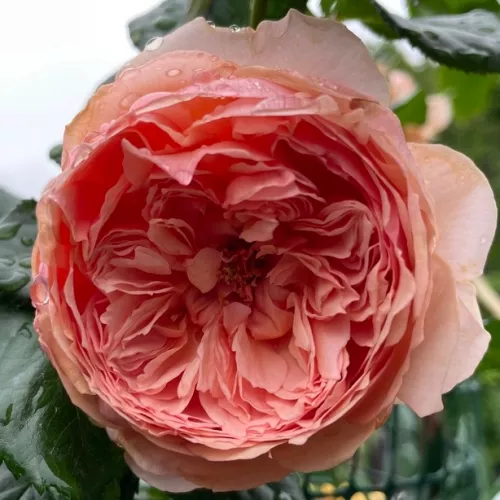
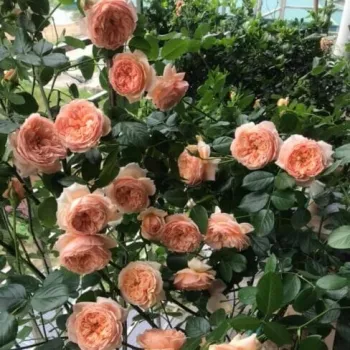
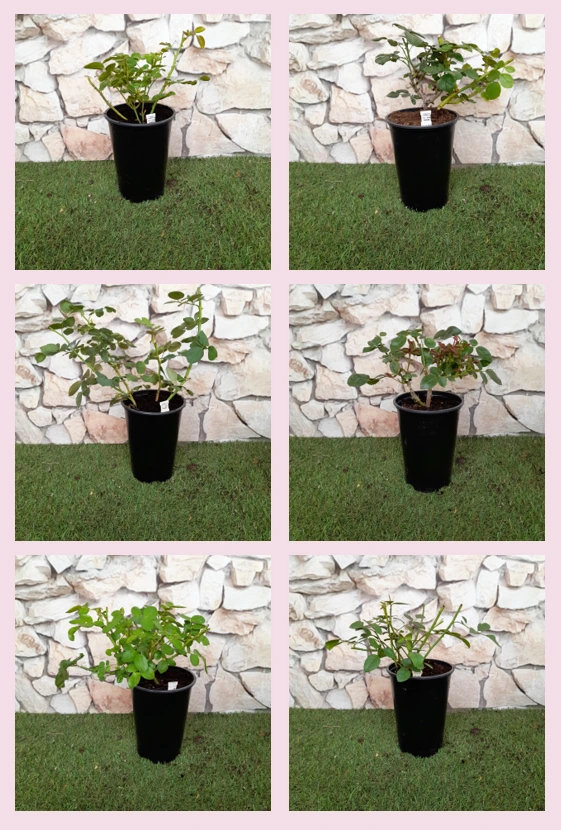
Warm peach blooms, a strong fruity-tea fragrance and a relaxed, nostalgic look make MASORA an inviting choice for coastal-style family gardens and verandas where you want reliable colour without fuss. This own-root shrub settles steadily, forming an upright, well-branched framework that copes well with breezy conditions and offers reassuring stability in exposed, seaside plots. In a large 40–50 litre container or a small shingle bed, it repeats with generous flushes through the season, especially when you occasionally deadhead and water in dry spells. Over time its own-root strength supports a long-lived display: first building roots, then fuller shoots, then, by year three, its complete ornamental character in your everyday garden routine.
Usage options
| Target area | Reasoning |
|---|
| Coastal veranda container (40–50 L) |
MASORA’s upright shrub form and good heat tolerance make it well suited to a sunny, sheltered veranda in a substantial container where soil does not dry out too quickly; an easy, rewarding choice for beginners. |
| Small shingle or gravel bed near the house |
The nostalgic peach rosettes and dark glossy foliage show beautifully against pale gravel, while the plant’s own-root stamina builds up year by year for a quietly enduring focal point for coastal-style lovers. |
| Family seating area as a fragrant backdrop |
The strong fruity, tea-scented fragrance and repeat flowering lend a soft, romantic feel around a patio or tea corner, with moderate maintenance needs manageable even for busy homeowners. |
| Mixed border with shrubs and perennials |
An upright 110–170 cm habit allows MASORA to rise through companions such as sea kale and ornamental grasses, giving layered summer structure without demanding complex pruning from hobby gardeners. |
| Specimen rose in a small lawn or courtyard |
Planted singly at the recommended distance, MASORA develops a well-balanced shrub with refined peach tones that stay visually stable over many seasons thanks to its own-root regeneration, reassuring for long-term planners. |
| Flower bed near windows or doors |
The large, very full rosettes and strong scent are best appreciated up close, and occasional deadheading at this accessible spot is a simple task that rewards you with extended blooming for casual gardeners. |
| Partially shaded side path or townhouse garden |
Suitable for partial shade, MASORA can brighten a side passage or narrow urban plot, continuing to flower where the sun is not full day-long, which is ideal for space-limited urban residents. |
| Informal hedge along a breezy boundary |
At the recommended 50 cm spacing, MASORA forms a loose, flowering screen that copes well with blustery, salt‑tinged coastal winds when planted in well-drained soil, giving extra privacy for seaside families. |
Styling ideas
- Seaside Veranda Haven – place MASORA in a 50 litre tub with silvery Festuca and sea kale on a sheltered deck to evoke Cornish coastal charm – for veranda owners wanting relaxed holiday notes at home
- Shingle Romance – tuck MASORA into a peach-toned gravel bed with Alchemilla and low lavender for a soft, wind-tousled, nostalgic look – for those upgrading a small front garden to cottage-coastal style
- Tea Corner Backdrop – plant a pair behind bistro chairs so their fruity, tea scent envelopes your evening cuppa – for families who value a fragrant, low-effort sitting area
- Courtyard Centrepiece – use a single shrub as a focal point in a paved courtyard, underplanted with Heuchera and Hosta in large pots – for urban gardeners needing one dependable, long-lived showpiece
- Soft Screen Border – line MASORA along a boundary with ornamental grasses for a gently moving, semi-transparent hedge – for homeowners seeking privacy without a heavy, high-maintenance fence
Technical cultivar profile
| Property | Data |
|---|
| Name and registration |
MASORA, Romantic rose collection shrub; nostalgia rose type. American Rose Society exhibition name MASORA. Trade name: Masora Romantic rose Yoshiike. Registered 2011 as a premium garden variety. |
| Origin and breeding |
Bred by Teizō Yoshiike in Japan, 2009, from Heritage × Amber Queen. Introduced after 2011 through specialist distributors, expanding from Japanese trials into wider ornamental garden use. |
| Awards and recognition |
Gold Medal at Nagaoka International Fragrant Rose Trials, Echigo Hillside Park, 2009, plus Best Rose Award at the 3rd Japanese National Fragrant Rose Competition, confirming its notable scent quality. |
| Growth and structural characteristics |
Upright shrub 110–170 cm high, 60–100 cm spread, moderately thorny. Moderately dense, glossy dark green foliage. Poor self-cleaning, so spent blooms benefit from regular deadheading for best display. |
| Flower morphology |
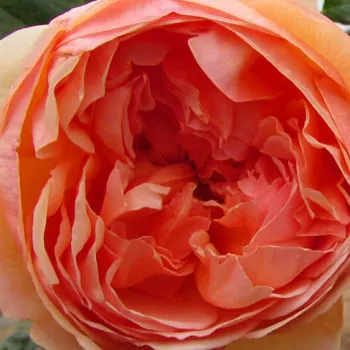
Large, very full rosette blooms with more than 40 petals, mostly in clusters. Remontant, producing an abundant second flush. Flower size typically 2.75–3.95 inches across under average garden conditions. |
| Colour data and phenology |
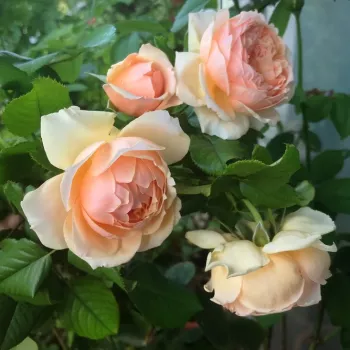
Delicate warm apricot-peach tones; buds deep peach with salmon tip, opening to pastel peach then cream‑peach. Colour richer in cool weather, fading faster in heat. ARS ab, RHS 22D and 24B reference shades. |
| Fragrance and aroma |
Strong, distinctive fruity, tea-scented fragrance classed as a scented rose. Very double blooms often conceal stamens, reducing pollinator access but concentrating the aroma for close garden seating areas. |
| Hip characteristics |
Produces moderate quantities of small, spherical hips, around 10–15 mm diameter, coloured orange-red. Hips follow if deadheading is reduced, adding subtle late-season interest in mixed borders. |
| Resistance and winter hardiness |
Hardy to about −21 to −18 °C (RHS H7, USDA 6b, Swedish Zone 3). Good heat tolerance if watered in drought. Medium disease resistance; very susceptible to powdery mildew, resistant to black spot, medium to rust. |
| Horticultural recommendations |
Use in beds, as a specimen, for hedging, containers or cut flowers. Plant 50–90 cm apart, 3.2–3.7 plants/m². Maintenance moderate; occasional plant protection and deadheading advised, especially in mildew-prone sites. |
MASORA offers nostalgic peach rosettes, strong fragrance and an upright, long-lived own-root shrub habit that gradually settles into family gardens and verandas, a thoughtful option if you enjoy roses without complex routines.