MAXI-VITA® – apricot-pink bedding floribunda rose - Kordes
Imagine stepping onto your coastal veranda to a drift of soft, peach-pink blooms moving in the breeze: Maxi-Vita® settles quickly, keeps a neat, bushy shape and shrugs off rough weather, offering strong roots that anchor well and cope confidently with blustery showers and wet spells in typical British coastal gardens. Over time, its own-root strength supports a long-lived, reliable display with fewer interventions, while repeated flowering brings fresh colour right through the season with minimal deadheading. In a generous container or small bed it partners beautifully with silvery grasses and sea-hued perennials, creating a quietly joyful, salt-tolerant haven for relaxed tea, sandy footsteps and easy-going summer afternoons. In its first year it focuses on roots, the second on building sturdy shoots, and by the third you can expect its full ornamental value, rewarding patient gardeners who prefer dependable beauty over constant fuss.
Usage options
| Target area | Reasoning |
|---|
| Coastal veranda containers |
Thrives in breezy, exposed positions while holding its flowers and foliage well, so it suits Cornish or Devon verandas that need colour without fuss; choose a 40–50 litre pot with free-draining compost for beginners who enjoy relaxed coastal colour for their balcony. |
| Small family front gardens |
Bushy, compact growth and medium height make it easy to place near doors, paths or driveways without overpowering the space, giving reliable, repeated flower flushes with limited pruning for time-poor homeowners. |
| Low-maintenance bedding schemes |
Floribunda clusters cover the plant with blooms over a long season, so even simple rectangular beds look finished quickly and stay attractive with just watering and a light annual trim, ideal for practical-minded beginners. |
| Mixed coastal-style borders |
Soft peach-pink tones blend effortlessly with sea kale, Festuca and lavender, helping to create a shingle or dune-inspired border that feels airy yet ordered, especially valued by design-conscious coastal gardeners. |
| Robust, long-lived planting |
Own-root plants regenerate well from the base if damaged, avoiding graft failures and keeping the planting looking even over many years, a reassuring choice for those investing carefully in a long-term family garden. |
| Clay soils with weather exposure |
Once established, the strong root system and bushy frame stand up well to strong winds and frequent rain while coping with heavier ground, provided drainage is improved, giving confidence to coastal-climate gardeners. |
| Partially shaded seating areas |
Tolerates partial shade, so it will still flower and keep good foliage in spots that see only morning or afternoon sun, softening the view around seating corners for relaxation-seeking families. |
| Easy-care path and driveway edging |
Low, rounded bushes planted in a row create a friendly, colourful edge that needs little more than an occasional tidy, bringing structure and welcome brightness for busy urban gardeners. |
Styling ideas
- Seaside-veranda drift – Arrange three roses in 50 litre tubs with pale shingle mulch and blue-grey Festuca to echo Cornish dunes – for coastal-style lovers wanting simple, breezy impact.
- Pastel-front border – Line a small front garden bed with Maxi-Vita® backed by white Campanula and soft grasses – for homeowners who want tidy colour without complex planting plans.
- Clay-friendly ribbon – Create a low ribbon along a path, improving drainage with grit and underplanting with creeping Campanula – for families dealing with heavy soils who still want romance by the gate.
- Tea-corner trio – Group three plants around a bistro set, adding lavender and sea kale for a salty, sunny mood – for beginners dreaming of afternoon tea sheltered from coastal winds.
- Urban-terrace anchor – Use a single rose in a large container as a calm focal point, surrounded by small pots of herbs – for busy urban gardeners seeking one dependable, long-lived feature.
Technical cultivar profile
| Property | Data |
|---|
| Name and registration |
Floribunda shrub rose from the RigoRosen collection; registered as KORfeining, marketed as Maxi-Vita® and Maxi-Vita, a compact bedding rose suited to modern small gardens and container use. |
| Origin and breeding |
Bred by W. Kordes & Sons in Germany (1991) and introduced in 2001, this variety continues the Kordes focus on durable garden roses suitable for varied European climates and everyday planting schemes. |
| Awards and recognition |
Highly decorated rose with multiple international trial awards, including ADR certification (2000), several Certificates of Merit and a silver medal from prestigious European competitions before wide garden release. |
| Growth and structural characteristics |
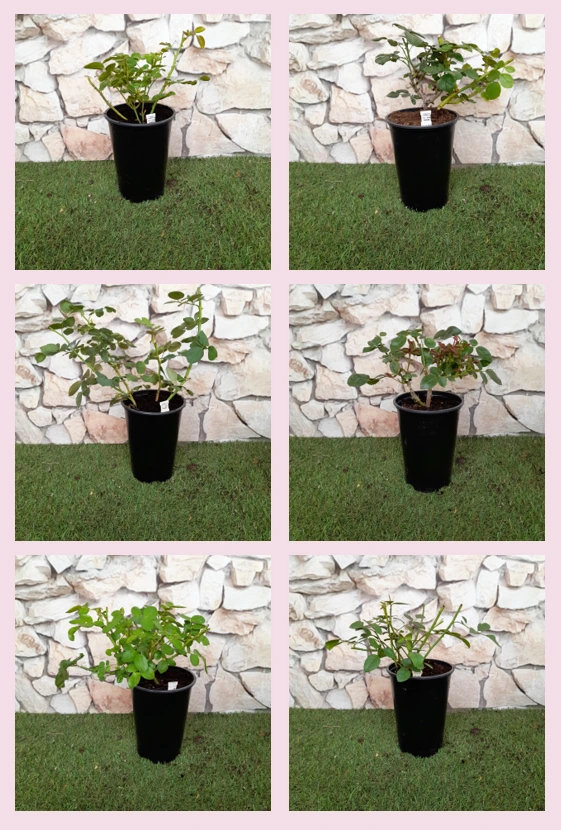
Bushy, compact habit reaching about 50–70 cm in height and 40–60 cm in spread, with moderately dense, mid-green, slightly glossy foliage and moderate thorniness, ideal for low borders and mass planting. |
| Flower morphology |
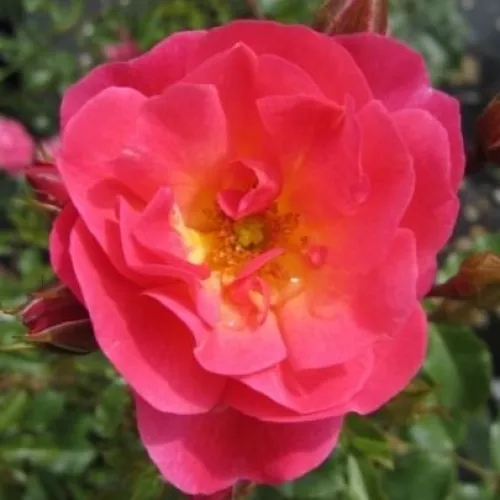
Semi-double, cup-shaped flowers of medium size borne in clusters, typically 13–25 petals, repeating well with an abundant second flush that keeps plants colourful across the main growing season. |
| Colour data and phenology |
Flowers open vibrant peach-pink with a soft yellowish glow, maturing to mid-toned then pastel peach-pink; colour retention is moderate, giving a gentle, ever-changing palette on the bush through summer. |
| Fragrance and aroma |
Fragrance is very weak, with only a faint classic rosy note detectable close up; visual effect and reliability are its strengths, with semi-double blooms offering moderate interest to passing pollinators. |
| Hip characteristics |
Rose hips are uncommon; if formed they are small, spherical, 6–9 mm across and orange-red, adding occasional discreet seasonal detail rather than being a main ornamental feature in most plantings. |
| Resistance and winter hardiness |
Rated H7 and USDA zone 6b, tolerating around −21 to −18 °C; strong resistance to black spot, powdery mildew and rust, and good heat tolerance make it a robust choice for typical UK garden conditions. |
| Horticultural recommendations |
Best in well-drained soil, including improved clay; plant at 30–55 cm depending on use, water to establish, then maintain with light pruning and feeding, keeping containers at 40–50 litres for stability. |
Maxi-Vita® offers compact, repeat flowering, excellent disease resistance and long-lived own-root reliability, making it a thoughtful choice for easy-care beds or coastal containers you can enjoy with confidence.