MEVROUW NATHALIE NYPELS – pink bedding floribunda rose - Leenders
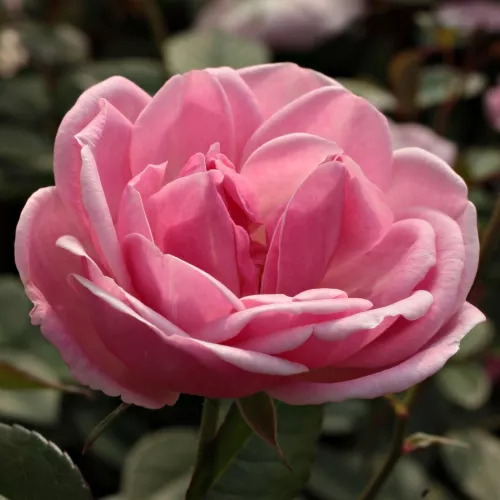
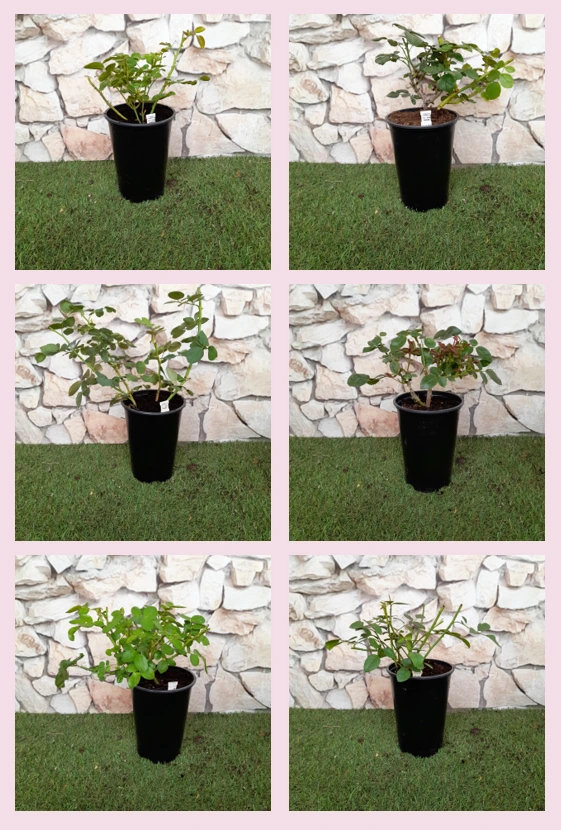
Imagine taking afternoon tea in a sheltered coastal nook, this compact rose creating a low, airy windscreen while its pastel clusters glow against shingle and sea kale. ‘Mevrouw Nathalie Nypels’ is an easy, bushy floribunda that repeats generously, so your veranda or small family garden stays in bloom from early summer well into autumn. Own-root plants build a deep, resilient lifetime framework, quietly regenerating after harsh weather and keeping their shape without demanding pruning prowess. Year one focuses on invisible rooting, year two on stronger shoots, and by year three you enjoy full ornamental impact with minimal effort. Semi-double, bee-friendly clusters combine gentle fragrance and soft pink light, while the tidy, self-cleaning habit keeps paths and pots looking effortlessly fresh.
Usage options
| Target area | Reasoning |
|---|
| Compact coastal veranda in Cornwall or Devon |
The bushy, spreading habit and modest height form an informal wind-filter that suits small decks and balconies without blocking sea views, particularly where you need a gentle barrier against salt-laden breezes; ideal for relaxed coastal-style beginners. |
| Front garden bed in a family terrace or semi |
Regular repeat flowering keeps the frontage colourful for much of the season, while good self-cleaning means fewer spent blooms to deadhead, helping busy households keep a neat, welcoming entrance with minimal seasonal work; perfect for time-pressed homeowners. |
| Low, informal flowering hedge along a path |
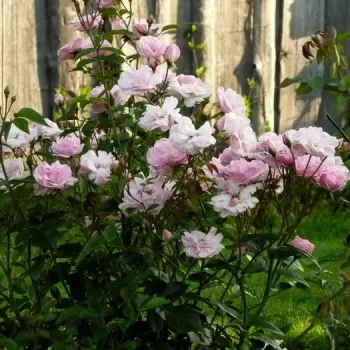
The dense foliage and even, bushy structure allow plants to knit together into a soft, pink edging at 35–40 cm spacing, guiding the eye and defining paths without harsh lines, well suited to informal cottage-style gardens for casual gardeners. |
| Small bedding blocks in urban courtyards |
Its compact footprint and reliable rebloom create tidy pink blocks that perform well in restricted spaces, giving depth and structure without overwhelming narrow beds, especially where you want dependable colour in overlooked urban plots for city-dwelling residents. |
| Large container on a sheltered patio |
In a 40–50 litre or larger pot with good drainage, the rounded habit fills the container attractively, and the own-root constitution supports long-term replanting in the same feature pot, making it a sound choice for decorative tubs for patio-focused owners. |
| Mixed perennial border with soft textures |
The medium-sized, cluster-flowered blooms weave easily among perennials such as Festuca, sea kale or dwarf Heuchera, adding a consistent pink thread that ties changing seasonal companions together, well suited to design-conscious but time-limited enthusiasts. |
| Pollinator-friendly family play area edge |
Semi-double flowers with accessible centres offer moderate nectar and pollen, adding movement and ecological interest without overwhelming bees, and the modest height keeps sightlines open for supervision, making it a thoughtful choice for wildlife-curious families. |
| Coastal-style gravel or shingle planting |
The compact, anchoring root system and low, spreading framework suit free-draining gravel and shingle schemes where wind and rain are frequent, bringing soft pink colour above silver foliage and pebbles for design-led coastal garden lovers. |
Styling ideas
- Veranda drift – Plant three in a shallow arc in a 60–80 litre trough with sea kale and blue Festuca for a low, wind-filtering pink cloud – for coastal veranda owners wanting gentle privacy.
- Shingle ribbon – Thread a loose row through pale gravel with scattered driftwood and dwarf Heuchera to echo seaside textures – for gardeners creating a Cornish-style front strip.
- Patio focal – Use a single specimen in a 50 litre terracotta pot by French doors, underplanted with trailing Ajuga reptans – for apartment dwellers seeking a simple, fragrant feature.
- Family path – Line a frequently used garden path at 35 cm spacing, underplanting with creeping Gypsophila repens for a pink-and-white froth – for families wanting soft edging without complex care.
- Urban tapestry – Combine in a small bed with lavender, ornamental grasses and pale stone mulch to suggest a modern coastal courtyard – for busy professionals favouring low-maintenance structure.
Technical cultivar profile
| Parameter | Data |
|---|
| Name and registration |
Mevrouw Nathalie Nypels is a floribunda bedding rose used as a shrub rose in gardens; an unregistered variety with no separate registered cultivar name recorded to date. |
| Origin and breeding |
Bred by Mathias Leenders in the Netherlands in 1919, from the cross ‘Orléans Rose’ × Rosa foetida bicolor; first distributed by Hazlewood Bros. Pty. Ltd. in Australia in 1922. |
| Awards and recognition |
Holds the Royal Horticultural Society Award of Garden Merit (1993), indicating reliable garden performance, stable characteristics and good ornamental value under typical UK conditions. |
| Growth and structural characteristics |
Compact, bushy, spreading shrub typically 50–70 cm in height and spread, with dense, slightly glossy dark green foliage and moderate prickliness; overall habit suits bedding, edging and low hedging uses. |
| Flower morphology |
Semi-double, cup-shaped blooms with 13–25 petals, borne in clusters of medium-sized flowers; remontant, giving a strong first flush followed by plentiful later repeats in suitable growing seasons. |
| Colour data and phenology |
Soft pastel pink overall, with more vivid inner petals and paler, near-white margins; colour lightens in strong sun and remains fresher in cooler weather, creating a gentle, pearlescent effect at full bloom. |
| Fragrance and aroma |
Noticeably fragrant flowers with a strong, sweet, tea-like character and fruity overtones; scent is appreciable at close range and contributes significantly to the ornamental presence of the plant in seating areas. |
| Hip characteristics |
Produces moderate quantities of small, spherical hips about 7–11 mm across, coloured orange-red (RHS 34A); hips add discreet seasonal interest and potential wildlife value in late season. |
| Resistance and winter hardiness |
Hardy to approximately −21 to −18 °C (RHS H7, USDA 6b, Swedish zone 3); disease resistance is medium for black spot, mildew and rust, benefiting from basic hygiene and timely protection in wet seasons. |
| Horticultural recommendations |
Best at 35–65 cm spacing depending on use, in well-drained soil with regular watering during dry spells; suitable for beds, edging, hedging and urban spaces, and tolerates partial shade in UK gardens. |
Mevrouw Nathalie Nypels offers compact, repeat flowering, strong fragrance and easy self-cleaning in a durable own-root form that will reward steady, unhurried planting with years of relaxed coastal-style colour, so you may choose it with quiet confidence.