MIKOTO – salmon-pink nostalgia rose – Kunieda
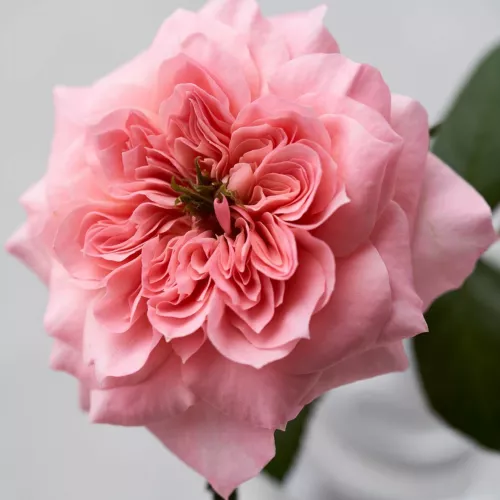
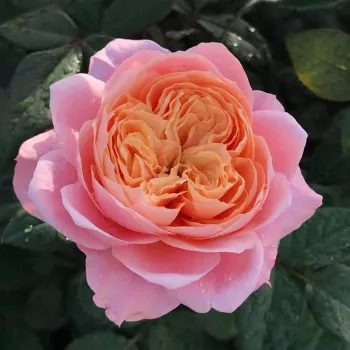
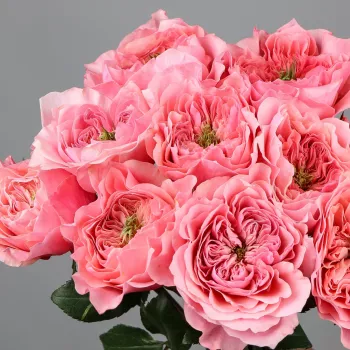
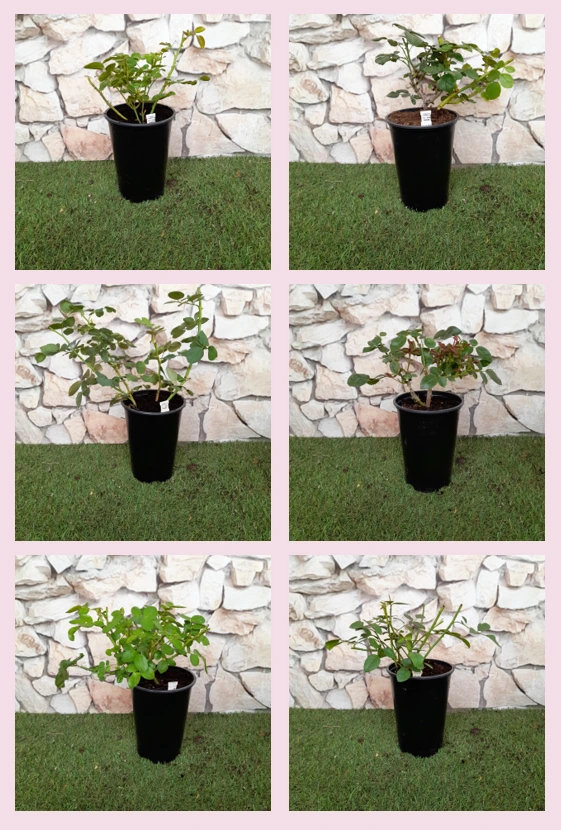
Evoking the grace of a Japanese koto, MIKOTO brings a softly nostalgic mood to coastal-inspired family gardens with lush, rosette blooms in shifting salmon-pink and peach tones. Its upright, compact habit fits neatly into smaller borders, raised beds or sturdy containers, where it handles breezy, exposed sites with reassuring stability in the face of frequent Atlantic gusts and showers. The blooms appear generously in flushes through summer and into autumn for long-lasting colour, with a mild, fresh, fruity-rosy fragrance that feels quietly luxurious rather than overpowering. Own-root planting supports long-term resilience and the ability to regenerate if knocked back, ideal when life – or the weather – is unpredictable. In the first year it concentrates on underground rooting, in the second it builds confident structure, and by the third it settles into its full, romantic garden presence with very little extra effort from you.
Usage options
| Target area |
Reasoning |
| Coastal veranda container (40–50 litre) |
An upright, medium-height shrub that sits comfortably in a 40–50 litre pot, giving generous rosette blooms without overwhelming a small veranda. The compact spread makes wind management and watering straightforward for beginners. |
| Small front garden feature |
Planted as a single specimen near a path or door, its nostalgic salmon-peach rosettes and gentle fruity-rosy scent add an elegant welcome without demanding complex pruning, suiting time-pressed homeowners. |
| Romantic mixed border in family garden |
Fits easily among perennials at 80–110 cm high, providing repeating waves of colour from early summer onwards. Its moderately dense foliage and remontant flowering keep borders lively for hobby-gardeners. |
| Coastal-style shingle or gravel bed |
The reasonably compact frame anchors well in free-draining shingle or gravel beds, with regular watering helping it cope with drying winds and spray in exposed, showery weather, reassuring coastal-style gardeners. |
| Low, informal hedge |
At 40–50 cm spacing, plants knit into a low, romantic hedge, giving repeated flushes of soft salmon-pink flowers that define boundaries without harsh lines, ideal for relaxed-family-garden designers. |
| Cutting corner in the garden |
Its very double, XL rosette flowers on upright stems are excellent for home arrangements, with buds opening slowly to reveal layers of peach-salmon petals, rewarding creative but busy florists. |
| Own-root long-term planting |
As an own-root rose it establishes steadily, rebuilding from the base if stems are damaged and holding its character over many seasons, reducing replacement and rejuvenation work for practical-minded planners. |
| Clay-based border with improved drainage |
Once the planting hole is prepared with grit and compost for drainage, its moderate height and firm framework cope well where rain and wind are frequent, offering reliable structure to cautious coastal beginners. |
Styling ideas
- Coastal Veranda Romance – seat MIKOTO in a 40–50 litre container with fine-textured Festuca and a simple bistro set for breezy teatime colour – ideal for compact coastal veranda owners.
- Shingle Drift Border – weave plants through a shingle bed with sea kale and silver foliage for a soft, wind-buffed look – suitable for coastal-style enthusiasts seeking low-fuss structure.
- Nostalgic Cottage Corner – combine with Lychnis alpina ‘Magenta’ and pale echinaceas to echo old-world cutting gardens – appealing to home florists who enjoy relaxed picking.
- Front-Door Welcome – flank a path with a short run of shrubs for a scented, salmon-pink hedge – perfect for families wanting a gentle, tidy entrance without high maintenance.
- Modern Patio Feature – use a single specimen in a large clay pot with simple gravel mulch for clean lines and season-long blooms – aimed at busy urban gardeners needing easy impact.
Technical cultivar profile
| Parameter |
Data |
| Name and registration |
Collection Romantic rose; shrub nostalgia rose marketed as MIKOTO – salmon-pink nostalgia rose – Kunieda. Current trade name Mikoto Romantic rose Kunieda; cultivar authenticity verified 25.07.2025. |
| Origin and breeding |
Japanese shrub rose from breeder Kunieda Keiji, Rose Farm Keiji. Seedling of ‘Miyabi’, bred 2008 in Japan, introduced 2016 by Rose Farm Keiji primarily for both gardens and cutting use. |
| Growth and structural characteristics |
Upright shrub 80–110 cm high, 45–60 cm spread, moderately dense mid-green glossy foliage, sparsely thorned shoots. Spent blooms tend to remain on the plant, so occasional deadheading is recommended. |
| Flower morphology |
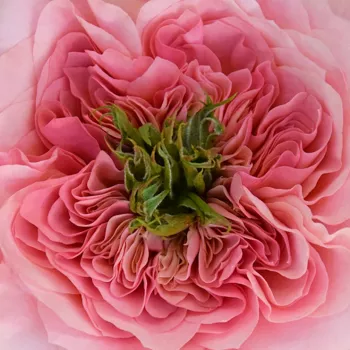
Very double rosette flowers with over 40 petals, XL size around and above 3.5 inches, usually borne singly on stems. Remontant habit with a prolific second flush, useful for repeated seasonal display. |
| Colour data and phenology |
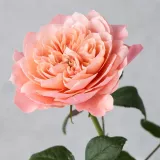
Soft salmon-pink base with peach hues; RHS 36C outer, 36D inner petals. Buds deep rose-peach, opening to peach-salmon with green eye, then creamy apricot-rose with silvery-rosy tints before final fading. |
| Fragrance and aroma |
Mild, fresh, fruity-rosy scent, noticeable at close range without dominating nearby seating areas. Primarily ornamental; very double blooms largely conceal stamens and offer only low attractiveness to pollinators. |
| Hip characteristics |
Hip set usually limited due to very double flowers, but small spherical orange-red hips 7–10 mm may develop occasionally and add a subtle seasonal accent in late summer to early autumn. |
| Resistance and winter hardiness |
Hardy to about -21 to -18 °C, RHS H7, roughly USDA Zone 6b and Swedish Zone 3. Disease resistance moderate to black spot, powdery mildew and rust; regular watering needed during prolonged dry spells. |
| Horticultural recommendations |
Best in sunny sites with well-drained soil; improve heavy clay before planting. Spacing 50 cm for mass effect, 40 cm for hedging, 80 cm as specimen. Medium maintenance with periodic care and routine deadheading. |
MIKOTO – salmon-pink nostalgia rose – Kunieda offers compact, repeat flowering structure and romantic rosette blooms in an own-root form that settles in for years of dependable beauty, well worth considering for your next planting.