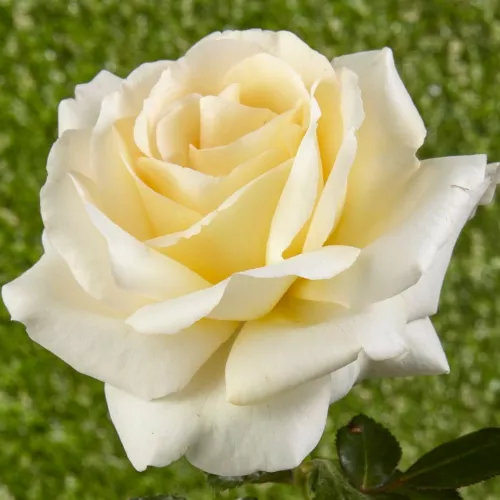
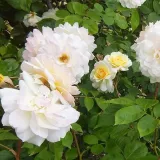
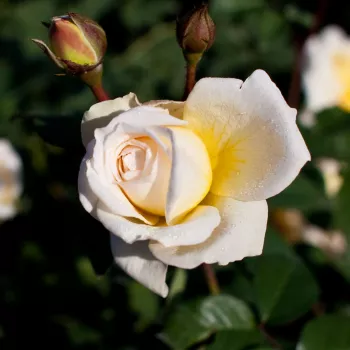
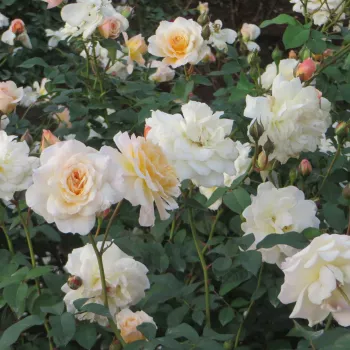
Moonsprite – cream-yellow bedding floribunda rose
Imagine returning from the beach, salt still on your skin, sitting down with tea behind a gentle windbreak while Moonsprite glows in soft sunlight. This compact, bushy floribunda settles happily into small family gardens and coastal verandas, offering clusters of creamy-yellow blooms with a strong, fresh citrusy fragrance. Its medium maintenance suits busy owners who prefer light, occasional care to complicated routines, while moderate disease resistance and solid winter hardiness support a long, reliable life in UK conditions. Planted in a free-draining border or a large 40–50 litre pot, it anchors well and copes steadily with blustery days and sea air, giving you dependable flowering from early summer into autumn as roots, then shoots, then full beauty build up over three seasons.
Usage options
| Target area | Reasoning |
|---|
| Coastal veranda container (40–50 litre) |
A single Moonsprite in a generous container gives you tidy, bushy growth that stays in scale with a veranda, while its moderate care needs suit a laid-back coastal lifestyle and owners who prefer simple watering routines – ideal for the beginner coastal gardener and busy-owners. |
| Small front garden bed |
The compact height and spread make it easy to place beneath windows without blocking light, while repeat clusters of soft cream-yellow flowers keep the space welcoming for many months, even where there is only one main planting strip – well suited to first-time homeowners and novice-gardeners. |
| Family garden edging |
Its bushy habit and medium height allow you to edge paths or lawns with a low, flowering barrier that children can enjoy without towering plants, and moderate thorns teach gentle care without being excessively fierce – practical for family-focused spaces and home-gardeners. |
| Sunny mixed border with grasses |
Moonsprite’s medium-sized, cluster-flowering habit works beautifully among Stipa or other fine grasses where the pale blooms catch the light, while its remontant nature ensures repeated highlights through summer and early autumn – attractive for design-conscious but time-poor gardeners. |
| Low-chemical “breathable” planting |
Moderate overall disease resistance, including good black spot tolerance, supports lower chemical input when combined with sound spacing and air flow, fitting well with modern, family-friendly borders – reassuring for those favouring gentler methods and health-aware gardeners. |
| Coastal-style shingle bed |
In well-drained coastal-style shingle, its sturdy framework helps it hold steady against blustery days and brisk sea air, while the pale flowers echo beach light and shells for a unified look – appealing to seaside-theme lovers and coastal-gardeners. |
| Urban courtyard or patio |
Moonsprite thrives in sun with regular watering, staying neat enough for tight spaces but flowering generously in clusters that brighten paved areas, making the most of limited ground – a smart choice for balcony owners and urban-gardeners. |
| Long-season feature near seating |
Strong, fresh citrus fragrance and repeat flowering make this rose ideal beside a bench or terrace where you can enjoy scent on warm evenings, supported by its dependable growth habit for many years – perfect for relaxed tea-drinkers and scent-lovers. |
Styling ideas
- Shingle Retreat – plant Moonsprite in a free-draining shingle strip with Mexican feather grass to echo dunes and sea spray – for coastal romantics seeking an easy, beach-inspired garden.
- Veranda Pot – place one rose in a 50 litre clay container with sea-coloured cushions and lanterns to make a wind-sheltered tea corner – for busy veranda users who enjoy simple, contained planting.
- Cream Border – combine Moonsprite with soft grasses and white perennials to create a calm, luminous edge to a family lawn – for homeowners wanting a gentle look with minimal fuss.
- Pathway Glow – line a sunny path at 50 cm spacing so repeating clusters of cream-yellow blooms guide you towards the front door – for those who value a welcoming entrance without complex maintenance.
- Scented Nook – position two or three shrubs near a sheltered bench where the strong citrus fragrance drifts on warm evenings – for evening readers and tea-drinkers who treasure relaxing outdoor moments.
Technical cultivar profile
| Parameter | Data |
|---|
| Name and registration |
Moonsprite, a bedding floribunda rose from the Floribunda group, with approved exhibition use as a shrub rose and floribunda; current trade name Moonsprite Bedding rose Moonsprite. |
| Origin and breeding |
Bred by Herbert C. Swim at Armstrong Nurseries, California, from ‘Sutter’s Gold’ × ‘Ondine’; introduced in the United States in 1956 and generally known under the commercial name Moonsprite. |
| Awards and recognition |
Recognised early for garden and exhibition value, receiving a gold medal at Baden-Baden in 1955 and another prestigious gold medal in Rome in 1956, highlighting both beauty and performance. |
| Growth and structural characteristics |
Compact, bushy shrub reaching about 80–105 cm high and 60–85 cm wide, with moderately dense, slightly glossy dark green foliage and moderate prickliness, forming a rounded, balanced outline in beds and borders. |
| Flower morphology |
Very double, cup-shaped flowers with over 40 petals, produced in clusters of medium-sized blooms; remontant with plentiful second flushes, giving a long flowering period when deadheaded and watered appropriately. |
| Colour data and phenology |
Cream-yellow blooms with buttery buds deepening to pastel yellow at the centre; as flowers age, outer petals become whitish-cream and finally near white with a faint creamy sheen, creating subtle tonal shifts across the plant. |
| Fragrance and aroma |
Strong, distinctive scent with a full yet fresh citrus character, especially noticeable in still, warm weather; highly suitable for seating areas where fragrance is a priority, though less valuable for pollinator support. |
| Hip characteristics |
Occasional small spherical hips, around 8–12 mm across, in orange-red tones; ornamental interest is modest and hips are usually secondary to the long flowering season and repeat-blooming habit. |
| Resistance and winter hardiness |
Hardy to approximately –21 to –18 °C (RHS H7, USDA 6b), with moderate disease resistance overall, showing good tolerance to black spot and average responses to mildew and rust under typical UK conditions. |
| Horticultural recommendations |
Best in full sun with well-drained soil and regular irrigation in dry spells; space 40–75 cm depending on use, at about 4–5 plants per m² for bedding schemes, and favour a large container volume for long-term pot culture. |
Moonsprite offers compact, bushy growth, repeat creamy-yellow flowering and strong citrus fragrance in an own-root form that establishes steadily for years of reliable colour; a thoughtful choice if you value lasting, lightly managed beauty.