MOUNT SHASTA – white grandiflora bedding rose – Swim & Weeks
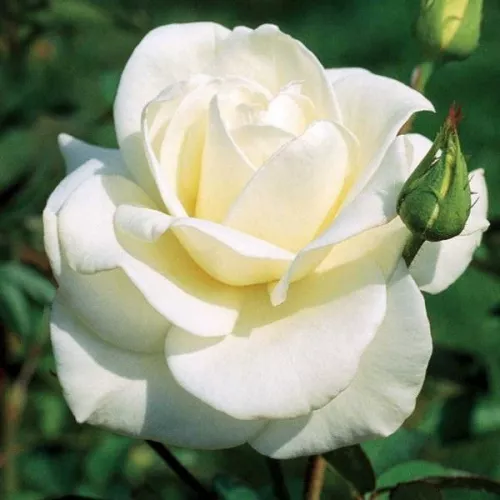
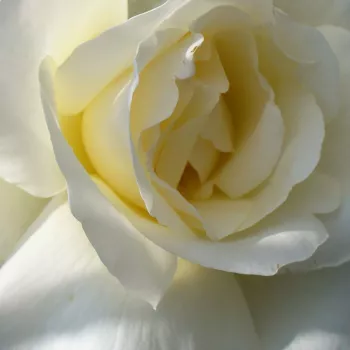
Bring a sense of windswept seaside refreshment to your garden with MOUNT SHASTA, a tall, upright grandiflora whose gleaming white blooms feel as clear and bright as a sunny Cornish morning. Its reliable repeat-flowering and medium, harmonious fragrance make it easy to enjoy from shingle path to veranda seating area, even where breezes are brisk and anchoring roots must cope with changeable weather. As an own-root rose it offers reassuring longevity, quietly rebuilding itself if shoots are damaged and settling in steadily over the first few seasons. Think of year one building roots, year two filling out with new shoots, and year three revealing its full ornamental presence. With moderate height and a neat footprint, it suits smaller family gardens where every square metre must work hard, thriving in generously sized planters on sheltered balconies as well as in open beds. Low maintenance needs and solid disease resistance reduce routine tasks, so you can focus on evening tea, sea breeze and the bright flowers that catch the late sun. Paired with blue-grey grasses or sea kale, its clear white colour and gently cupped form create a calm, coastal mood that remains quietly elegant from spring into autumn.
Usage options
| Target area |
Reasoning |
| Small coastal front garden with shingle and pots |
MOUNT SHASTA copes well with breezy conditions and, once established, its upright habit anchors visually into gravel or shingle, giving height without sprawling. Use a 40–50 litre container with good drainage for a stable, low-fuss focal point for the coastal-style lover homeowners |
| Flower bed in a family back garden |
The moderate spread and strong repeat-flowering mean one plant can carry a lot of visual weight in a typical family border, providing white highlights from early summer onwards with minimal deadheading and little intervention for busy beginners |
| Cutting corner for fragrant white stems |
Extra-large, cupped blooms on grandiflora stems give useful length and presence in simple jugs or more formal arrangements, while the medium, harmonious fragrance adds a gentle scent indoors for the relaxed yet style-conscious gardeners |
| Specimen rose near veranda seating |
Its upright, moderately dense framework and ivory-to-white flowers create a luminous vertical accent beside a chair or table, staying smart through the season with basic care and rewarding regular watering and feeding for contemplative tea-drinkers |
| Low, informal hedge or seasonal screen |
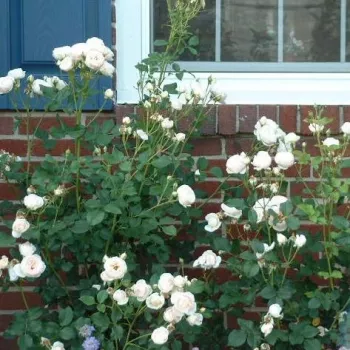
Planted at recommended hedge spacing, the repeated flushes of pure white clusters read as a light, airy partition between spaces, while own-root plants build a durable structure that re-sprouts reliably after harder pruning for practical-minded planners |
| Coastal-style mixed border with grasses |
The crisp white flowers sit beautifully among blue fescues and low perennials, while disease resistance and modest water needs suit gardens where salt-laden winds and shifting weather patterns demand resilient planting for climate-aware owners |
| Clay-based suburban garden with improved drainage |
In typical UK clay, a well-prepared, free-draining planting hole allows roots to establish, after which this rose offers long-term structure and bloom with little more than seasonal pruning, rewarding those who value dependable, low-input planting |
| Own-root replacement for older, grafted white roses |
As an own-root rose, MOUNT SHASTA avoids suckering from a rootstock and can slowly rebuild from its base if winter, wind or pruning take it back hard, giving a stable, long-lived stand of white for patient, forward-looking collectors |
Styling ideas
- Veranda Calm – Position in a 50-litre pot beside a bistro set, underplant with blue fescue and white lobelia for a bright coastal feel – ideal for balcony and veranda relaxers
- Seaside Path – Plant along a shingle path with Festuca glauca and sea kale, letting white blooms glow against pebbles – suited to coastal-style front gardens
- Twilight Tea – Place one specimen by a bench, backed with soft grasses, so the white flowers catch evening light while you enjoy their fragrance – perfect for evening unwinders
- White Ribbon – Create a low hedge at 60 cm spacing, weaving in low daylilies for soft yellow contrast and extended interest – good for family gardens needing gentle structure
- Cutting Corner – Group two or three plants with dwarf irises at their feet, giving a steady supply of long-stemmed white roses for vases – designed for home florists
Technical cultivar profile
| Property |
Data |
| Name and registration |
Current trade name MOUNT SHASTA – white grandiflora bedding rose – Swim & Weeks; ARS exhibition name ‘Mount Shasta’; grandiflora / hybrid tea group, bed rose commercial group. |
| Origin and breeding |
Bred by Herbert C. Swim and Orville L. Weeks (Weeks Roses, USA) from ‘Queen Elizabeth’ × ‘Blanche Mallerin’; introduced and registered in the United States in 1963. |
| Growth and structural characteristics |
Upright, moderately dense shrub reaching about 90–130 cm high and 80–120 cm wide, with slightly glossy grey-green foliage and moderate prickliness; self-cleaning is weak so some deadheading is required. |
| Flower morphology |
Extra-large, semi-double, cupped flowers with around 13–25 petals, carried mainly in clusters; reliably remontant, with a plentiful second flush that maintains decorative value through the main season. |
| Colour data and phenology |
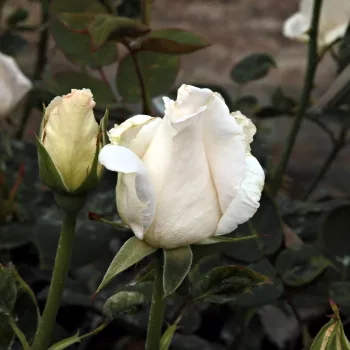
Buds pale pearly pink with greenish-white edges; newly opened flowers ivory with a powder-pink flush, quickly becoming pure bright white; colour holds well though petals may scorch slightly in strong sun. |
| Fragrance and aroma |
Medium-strength, well-scented rose fragrance with a softly harmonious character; noticeable on still, warm days and best appreciated when planted close to seats, paths or regularly used entrances. |
| Hip characteristics |
Forms moderate numbers of small, ovoid orange-red hips around 10–14 mm in diameter, adding late-season interest if spent blooms are not removed for continuous flowering. |
| Resistance and winter hardiness |
Rated resistant to powdery mildew, black spot and rust; hardy to about −21 to −18 °C (RHS H7, Swedish Zone 3, USDA 6b), with moderate heat and drought tolerance if watered in very hot periods. |
| Horticultural recommendations |
Best in full sun; plant 65 cm apart in beds, 60 cm in hedges, or 100 cm as specimens. Suits 2.4–2.7 plants/m² in mass planting. Keep containers from 40–50 litres upward for stable, long-term growth. |
MOUNT SHASTA offers luminous white flowers, reliable repeat-blooming and reassuring disease resistance in an own-root form that builds long-lived structure, making it a thoughtful choice for relaxed, low-effort coastal and family gardens.