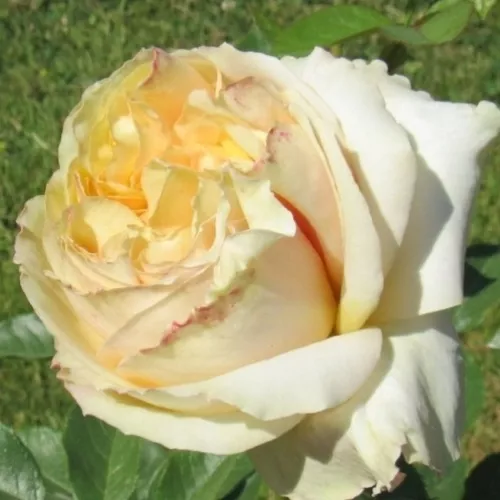
MANGANO – cream-coloured hybrid tea rose – pharmaROSA®
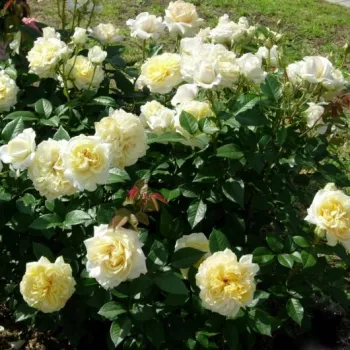
Let Mangano bring a breath of coastal refreshment to your family garden: a cream‑coloured hybrid tea that flowers generously from early summer well into autumn, offering long‑lasting bloom on a compact, upright, bushy plant that fits neatly into small beds, shingle strips or a sheltered veranda. Its medium, fresh‑fruity fragrance suits an evening cup of tea outdoors, while strong, reliable disease resistance means very little spraying or fuss, even in cooler, salt‑tinged air near the sea, where its roots anchor well on well‑drained soil so winter gales feel less threatening. Grown on its own roots for a long lifespan, it keeps its shape and recovers well if cut back or weather‑damaged, giving you a steady, low‑maintenance structure in mixed plantings. In year one it concentrates on roots, in year two on stronger shoots, and by year three it settles into its full ornamental character.
Usage options
| Target area | Reasoning |
|---|
| Coastal veranda container (40–50 L or larger) |
A compact, upright habit and moderate spread make Mangano ideal for a single large pot on a sheltered coastal veranda, where its generous flowering season offers months of colour with minimal maintenance for busy homeowners. |
| Small front garden feature by the door |
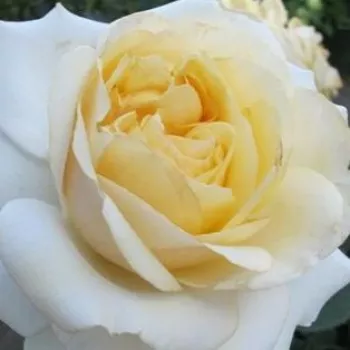
The XL, creamy rosette blooms with a soft rosy veil create an elegant welcome without overwhelming a modest space, and the medium, fresh‑fruity scent offers a gentle lift each time the door opens for passing gardeners. |
| Family seating area wind‑shadow |
Planted in a loose row behind a bench or bistro set, its bushy, upright structure gives light screening and a calm, tidy outline, with repeat flowers providing a soft backdrop to family tea or reading for relaxed beginners. |
| Low‑maintenance mixed border in clay soil |
Once established, Mangano’s own‑root system anchors firmly, coping reliably with typical UK heavy soil when drainage is improved, reducing replanting and offering long service in mixed borders for practical planners. |
| Coastal shingle or salt‑tolerant strip |
In a well‑prepared, free‑draining strip behind shingle, Mangano contributes a steady vertical accent and flowers well where wind, rain and sea air might challenge fussier roses, supporting relaxed design for coastal owners. |
| Repeat‑flowering focal point among grasses |
Clustered XL blooms held above glossy foliage repeat strongly through the season, standing out beautifully among Festuca or sea kale, so you enjoy reliable colour without complicated deadheading for time‑pressed urbanites. |
| Easy‑care rose bed for busy families |
Its strong resistance to powdery mildew, black spot and rust means fewer treatments and more healthy leaves, so the bed keeps looking full and green even when life is hectic and gardening time is limited for modern families. |
| Long‑term structural planting near a terrace |
With an H7 hardiness rating and own‑root vigour, Mangano is well suited to long‑lived plantings that quietly frame a terrace or patio edge, maintaining shape and charm year after year for forward‑thinking buyers. |
Styling ideas
- Veranda Calm – One Mangano in a 50–60 L pot with pale gravel mulch, a low bistro set and a lantern; perfect for coastal‑style lovers seeking an easy, scented focal point.
- Shell Walk – Plant a short row along a shingle path, interspersed with sea kale and blue Festuca for movement; ideal for families wanting a simple, seaside feel with minimal upkeep.
- Cream Border – Use Mangano as a repeating accent with Alchemilla mollis and lavender, echoing its soft ivory and yellow tones; suited to beginners building a calm, coordinated front garden.
- Grassy Glow – Mix Mangano among ornamental grasses and Crocosmia ‘Lucifer’ for contrast between creamy rosettes and fiery spikes; good for hobby gardeners who enjoy long‑season structure.
- Doorstep Welcome – Flank a front step with two large containers of Mangano underplanted with pigeon scabious; a neat, fragrant solution for busy urban owners wanting instant smartness.
Technical cultivar profile
| Parameter | Data |
|---|
| Name and registration |
Mangano hybrid tea rose, collection Hybrid Tea; current trade name Mangano Hybrid tea rose pharmaROSA®, commercial group Hybrid tea rose, ARS exhibition data not recorded. |
| Origin and breeding |
Hybrid tea discovered by pharmaROSA® in Germany around 2000; parentage and breeding institution not documented, introduced commercially by PharmaRosa® Ltd. (Hungary) for garden use. |
| Growth and structural characteristics |
Upright, bushy shrub reaching about 80–110 cm in both height and spread, moderately thorny, with moderately dense, glossy mid‑green foliage forming a tidy, medium‑sized garden rose. |
| Flower morphology |
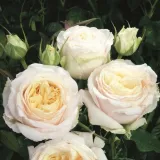
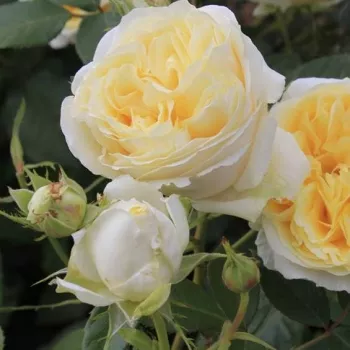
Large XL double rosette blooms, typically 26–39 petals, borne in small clusters of 3–5 per stem; remontant habit with especially abundant second flush under normal garden conditions. |
| Colour data and phenology |
Cream‑coloured flowers with powder‑white outer petals and a buttery yellow centre, often with a rosy veil; opening yellow centre fades to straw‑cream then ivory as the flower ages. |
| Fragrance and aroma |
Fresh, fruity fragrance of medium strength, clearly noticeable at close quarters around seating or paths; flower form limits stamen access so it is only modestly attractive to pollinators. |
| Hip characteristics |
Occasionally produces small rose hips about 10–15 mm in diameter; colour and shape are not documented and hips are generally of minor ornamental interest in normal garden settings. |
| Resistance and winter hardiness |
Good overall disease resistance, rated resistant to powdery mildew, black spot and rust; hardy to approximately –26 to –23 °C (RHS H7, Swedish zone 4, USDA 5b) for reliable winter survival. |
| Horticultural recommendations |
Suited to low‑maintenance planting; recommended spacing 65 cm for mass, 55 cm for hedging, 100 cm as a specimen, giving about 2.4–2.7 plants per m² depending on planting pattern. |
Mangano Hybrid tea rose pharmaROSA® offers generous repeat flowering, strong disease resistance and long own-root reliability, making it a thoughtful choice for an enduring, easy-care coastal or family garden planting.