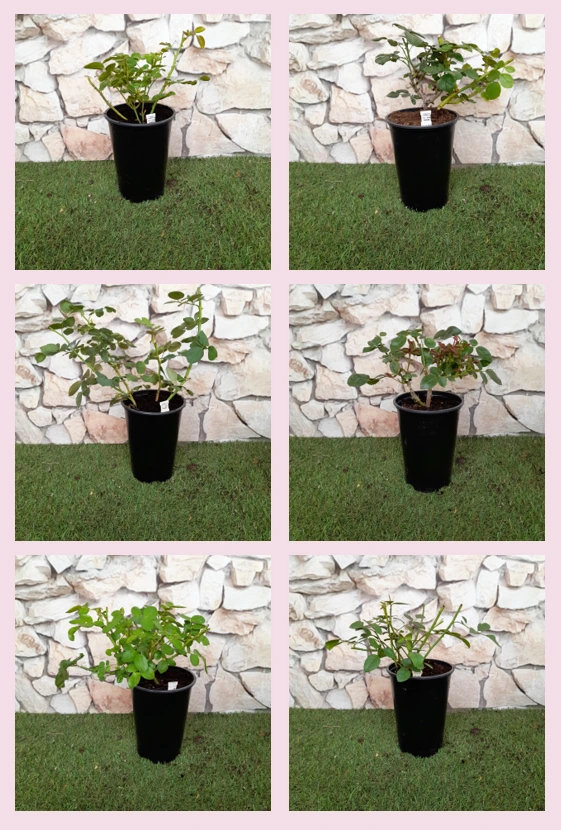
ROSA WATSONIANA – pink ground-covering rose
Imagine sipping tea on a breezy veranda while shells dry on the table and a low, textural rose cushions the view against the sea. Rosa watsoniana brings a quietly distinctive presence to small coastal gardens, its unusual foliage and dainty pink clusters giving character without demanding constant care. As a botanical groundcover shrub it spreads gently to knit together shingle, gravel or clay-based borders, helping the planting cope gracefully with breezy days and brisk, salt-tinged air, anchoring the soil and managing winter-wet pockets more reliably. Once its single summer flush has passed, fine red hips and arching stems keep interest going into autumn. Grown on its own roots in our 2‑litre container, it offers reassuring longevity, steady regrowth after harsher seasons and a calm, low-input routine that lets you simply watch it mature over the first three years into a settled part of the garden backdrop.
Usage options
| Target area | Reasoning |
|---|
| Coastal shingle or gravel strip |
The spreading habit and low, ground-covering form suit shallow, free-draining coastal shingle or gravel where you want soft structure rather than tall hedging, creating a calm, easily managed edge for the relaxed coastal-style gardener beginner |
| Small front garden focal shrub |
Variegated, glaucous foliage gives year-round structure in modest spaces, while the single pink flowers add a gentle highlight without overpowering a compact front garden, ideal where you want character but have little time for complex pruning homeowner |
| Low-maintenance groundcover bed |
As a botanical groundcover rose, it forms a loose, spreading mat that helps shade soil and reduce weeding, with self-cleaning flowers that drop neatly and leave decorative hips, suiting those who prefer occasional checks over frequent deadheading busy-gardener |
| Wildlife-friendly pollinator corner |
The open, single blooms with exposed stamens are easily accessible to bees and other insects, offering a naturalistic look that fits well with informal planting and supports garden biodiversity for families wanting a more nature-positive space eco-conscious |
| Clay-based mixed border |
In a sunny position with improved drainage, its dense foliage and arching stems help visually bind together heavier soils, providing a stable, low shrub layer that copes well once established and suits gardens where wet winters and heavy ground are typical UK-coastal |
| Large container on a sheltered veranda |
In a 40–50 litre or larger container, its modest height and spreading habit create a soft, horizontal accent that frames seating areas, with the own-root form giving a long-lived presence in pots for those wanting dependable, structural planting on balconies veranda-owners |
| Informal group or drift planting |
Planted in loose groups at the recommended spacing, it creates a natural, textural drift, particularly effective in coastal-inspired schemes where repetition and foliage interest matter more than large flowers, appealing to gardeners aiming for calm, cohesive designs style-focused |
| Collectible botanical rose feature |
As a historic Japanese botanical variant with distinctive foliage, it makes an engaging talking point in a small collection, rewarding patient owners with stable structure and reliable hips rather than show-bench blooms, suiting those who enjoy long-term plant stories collector |
Styling ideas
- Coastal-cushion – Underplant with Festuca and sea kale-style foliage for a wind-combed, silvery look that echoes Cornish beaches – ideal for coastal-style lovers wanting subtle flowers and strong leaf texture
- Soft-frontage – Pair with Alchemilla mollis and low lavender to frame a small front path, letting the rose knit the planting together – for homeowners seeking a tidy yet relaxed welcome
- Pollinator-ribbon – Run a drift with bearded iris and airy perennials to form a wildlife-friendly strip along a fence – for families wanting discreet colour and insect interest without fuss
- Veranda-bowl – Plant in a wide 50 litre container with gravel mulch and simple grasses to create a low horizon around outdoor seating – for balcony and veranda owners chasing a seaside feel
- Botanical-focus – Give it a solo bed with pale gravel and minimal companions so the unusual foliage and hips stand out – for collectors who appreciate understated, characterful species roses
Technical cultivar profile
| Trait | Data |
|---|
| Name and registration |
Botanical shrub rose marketed as Rosa watsoniana, also known in collections as Rosa alba cymbaefolia; unregistered cultivar used mainly in botanical and specialist gardens. |
| Origin and breeding |
Historic Japanese intraspecific variant arising as a spontaneous mutation of Rosa multiflora; bred before 1870, exact breeder and early distribution records are now uncertain. |
| Growth and structural characteristics |
Low, spreading shrub with dense, matte, mid-green variegated foliage on sparsely thorned shoots; forms loose groundcover suitable for group planting and low-hedge style edging. |
| Flower morphology |
Small, flat, single flowers with 5–12 petals borne in clusters, S-size around 0.5–1.5 inches; once-flowering summer display rather than repeat blooms, with good self-cleaning habit. |
| Colour data and phenology |
Flowers open pale pink to pinkish white with golden-yellow stamens, sometimes approaching white at full bloom; colour retention moderate, with stamens browning as petals dull before drop. |
| Fragrance and aroma |
Fragrance is very weak to barely perceptible, not grown for scent; value lies in foliage character, naturalistic flower effect and the seasonal transition into small decorative hips. |
| Hip characteristics |
Produces numerous small, spherical red hips around 6–8 mm across; hips extend ornamental interest into autumn and are also of interest in gardens where rose fruits are appreciated. |
| Resistance and winter hardiness |
Rated to approximately −21 to −18 °C with RHS H6 hardiness; disease resistance generally medium for common foliar problems, with routine preventive care advisable in damp seasons. |
| Horticultural recommendations |
Prefers sunny positions with reasonable drainage; spacing varies from 60–150 cm depending on use, with 1.0–1.2 plants/m² for mass plantings and standard basic plant protection suggested. |
ROSA WATSONIANA offers distinctive foliage, easy-going groundcover form and wildlife-friendly flowers in a durable own-root rose that will suit those planning calm, low-maintenance coastal or family gardens, should you decide it belongs in your space.