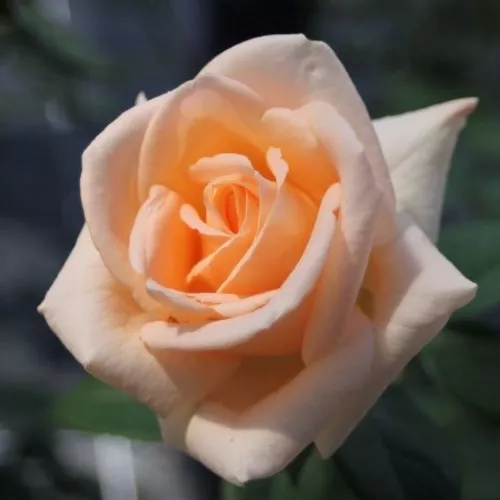
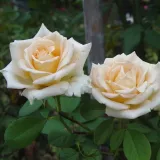
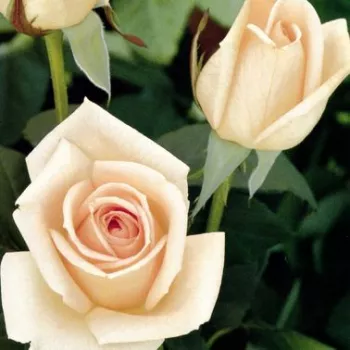
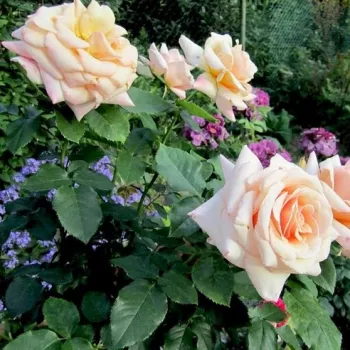
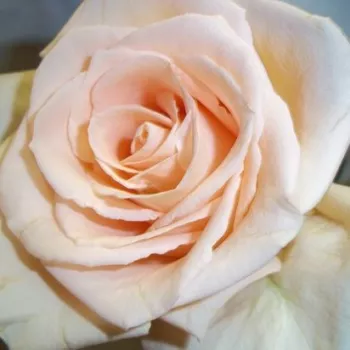
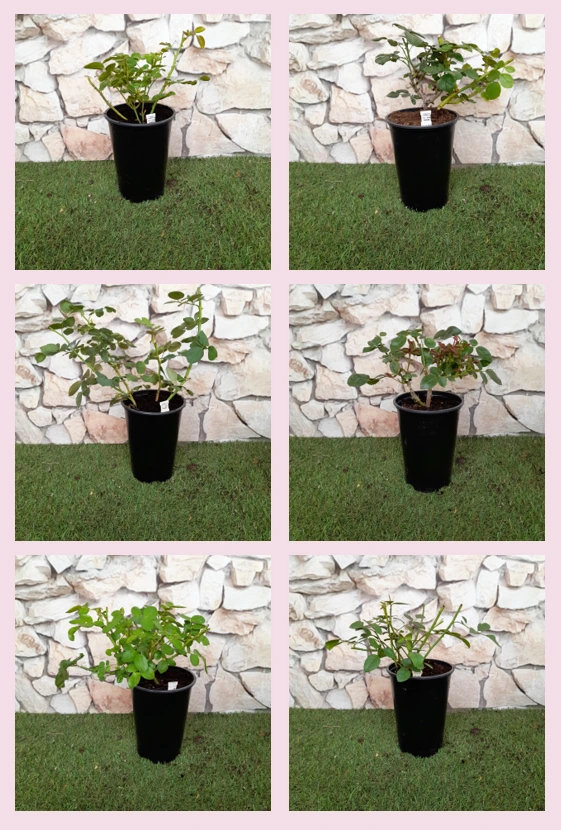
OCEANA® – cream-coloured hybrid tea rose – Evers
Imagine late-afternoon seaside light on cream-ivory petals as OCEANA® settles into a small family garden or sheltered coastal veranda, bringing reliable flowering with minimal fuss. This hybrid tea is bred for resilience, handling breezy, exposed plots where proper drainage helps roots cope with heavier soils and strong winds. Its upright shape slips easily into narrow borders or a single large 40–50 litre container, where the peach‑cream blooms and mid‑green foliage create a soft, “girly” accent. Own‑root planting supports long-term stability and recovery after harsh weather, while the medium, fruity fragrance and easy care make it an ideal, quietly luxurious choice for relaxed coastal-inspired gardens.
Usage options
| Target area | Reasoning |
|---|
| Coastal veranda in Cornwall or Devon |
Suited to breezy, salt-touched spaces when given a sheltered corner and good drainage, it offers a calm cream backdrop and medium fruity scent for laid-back outdoor seating; ideal for relaxed coastal-style beginners. |
| Small front garden feature rose |
The upright habit and XL, high-centred blooms give a smart focal point without overwhelming a modest plot, while own-root vigour underpins a long working life; appealing to time-pressed family-home owners. |
| Container on a sunny patio (40–50 L) |
Performs well in a generous pot where watering can be controlled, producing repeat flushes through the season and staying neatly vertical; well suited to busy urban balcony and veranda gardeners. |
| Low-maintenance mixed border |
Good disease resistance and modest pruning needs mean it slots into an easy-care scheme with perennials, keeping its foliage clean in damp, changeable weather; attractive for low-input, no-fuss rose lovers. |
| Cut-flower corner in the family garden |
The large, pointed-budded flowers, strong stems and excellent colour-holding in sun provide reliable, elegant stems for the vase, extending enjoyment indoors; ideal for home arrangers and casual cut-flower enthusiasts. |
| Clay soil beds with improved drainage |
Once planted into clay that has been opened up with grit or organic matter, the strong root system anchors the plant well and copes with exposed spots and winter wet; reassuring for heavier-soil coastal-plot gardeners. |
| Partial-shade side passage or courtyard |
Tolerates partial shade, so it can brighten narrower, less-sunny strips with light cream flowers and tidy foliage, adding structure where many roses fail; a good option for constrained-space townhouse residents. |
| Long-term family garden planting |
Own-root growth builds a durable framework that can regenerate from the base after setbacks, supporting a long-lived rose that quietly improves year after year; suited to forward-planning home and garden planners. |
Styling ideas
- Seaside-Veranda Trio – combine OCEANA® in a 50 L pot with sea kale and blue Festuca for a shingle-beach feel – for coastal-style balcony and veranda gardeners.
- Cream-Perfume Border – thread it through a low Lavandula hedge so cream blooms rise above purple haze and fragrance layers together – for busy owners who want easy yet refined planting.
- Girly-Cut Corner – plant three OCEANA® in a triangle with soft-pink Clematis weaving through for abundant stems to cut – for home florists who like relaxed, romantic arrangements.
- Calm-Front Welcome – use a single specimen by the path, underplanted with Brunnera macrophylla to soften the base and brighten shade – for family homes needing neat, low-effort kerb appeal.
- Wind-Safe Screen – line a short, sheltered fence run with evenly spaced plants to catch the breeze while showing tall, upright blooms – for coastal gardeners seeking structure without complex maintenance.
Technical cultivar profile
| Characteristic | Data |
|---|
| Name and registration |
Hybrid tea rose, registered as OSIana, marketed as OCEANA® – cream-coloured hybrid tea rose – Evers; ARS exhibition name Osiana, in the vivianaROSE ORIGINAL 2-litre own-root line. |
| Origin and breeding |
Bred by Hans Jürgen Evers, Rosen Tantau, Germany, from unnamed seedlings; bred 1988, registered 1991 with US Plant Patent PP 7 660, introduced commercially after 1991 in the hybrid tea group. |
| Awards and recognition |
Court of Show / Honour at the Golden Triangle Rose & Garden Society Show, USA, 1999, reflecting exhibition-level flower form, stem quality and colour stability valued by cut-flower enthusiasts. |
| Growth and structural characteristics |
Upright, moderately leafy bush reaching about 120–160 cm high and 110–140 cm wide, with mid-green foliage and relatively few thorns, giving a tidy profile suitable for borders or solitary planting. |
| Flower morphology |
Large XL hybrid tea blooms, high-centred and pointed, typically solitary on stems; double, with around 26–39 petals, repeating well with an abundant second flush when grown in suitable conditions. |
| Colour data and phenology |
Cream to ivory base tone with peach-vanilla centre nuances, porcelain-like edges and good sunfastness; colour holds well with only moderate fading, keeping a refined look throughout the flowering period. |
| Fragrance and aroma |
Medium-strength, pleasantly noticeable perfume with a delicately fruity character; primarily ornamental rather than for pollinators, as the full double form limits stamen access and insect visitation. |
| Hip characteristics |
Only occasional hips form due to the double flowers; where present they are small, egg-shaped, about 8–12 mm in diameter and red, offering minimal visual impact and reducing self-seeding issues. |
| Resistance and winter hardiness |
Good resistance reported to powdery mildew, black spot and rust; hardy approximately to −21 to −18 °C (RHS H7, USDA 6b, Swedish zone 3), tolerating heat with extra watering during dry spells. |
| Horticultural recommendations |
Best as a feature rose, border element or cut-flower plant; prefers sun to partial shade, spaced around 80–150 cm, with improved drainage on heavier soils and regular deadheading to maintain display. |
OCEANA® combines reliable repeat flowering, good disease resistance and an upright, space-efficient habit on its own roots for long-term stability and easy care, making it a thoughtful choice for relaxed coastal-inspired gardens.