ODYSSEY™ – purple bedding floribunda rose - Cowlishaw
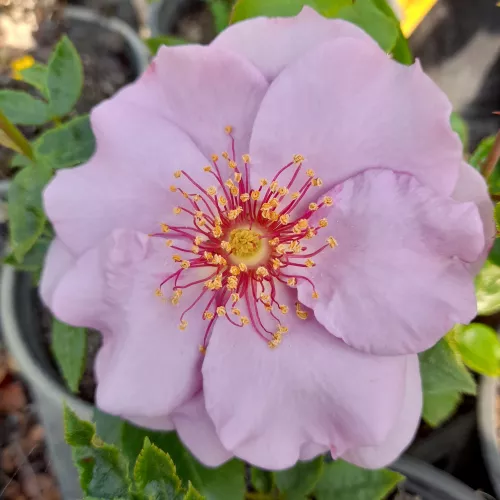
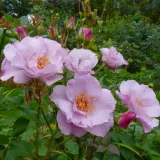
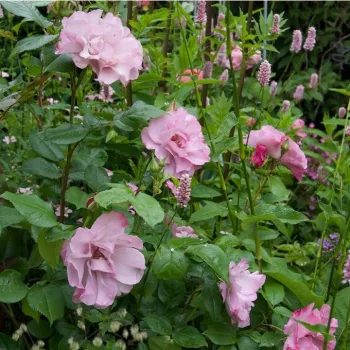
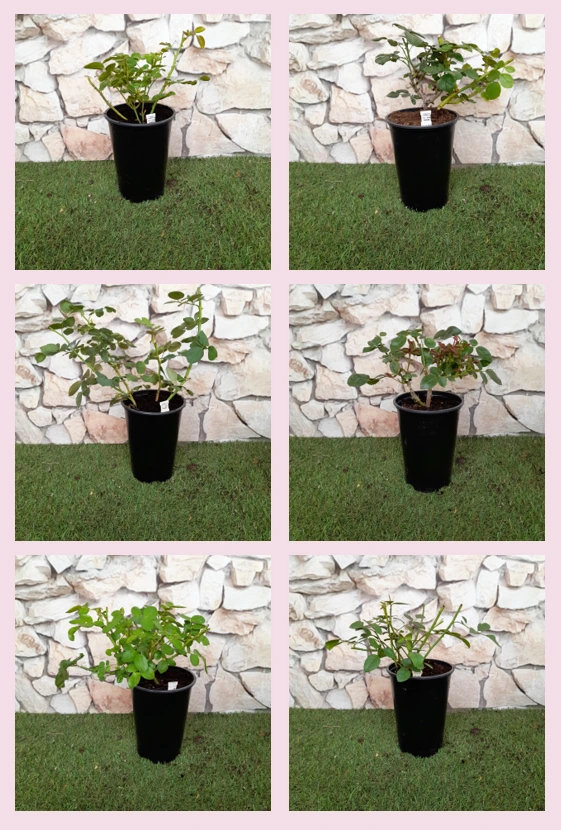
Let ODYSSEY™ turn a breezy veranda or small family garden into your own coastal odyssey, with luminous lilac blooms that carry a medium, pleasantly noticeable fragrance over an exceptionally long season. This compact, upright floribunda offers reliable clusters of semi-double flowers, shifting from fresh purple to smoky grey-lilac, creating continuous visual interest even in partial shade. Its naturally good disease resistance keeps foliage neat with minimal maintenance, while its own-root vigour supports a long-lived planting that settles in steadily, with roots in year one, stronger framework in year two and full ornamental value by year three. Ideal for coastal-style beds or large containers on exposed decks, it copes well with brisk seaside weather, offering reassuring stability in winds and wet spells that often challenge British gardens, especially near the coast.
Usage options
| Target area |
Reasoning |
| Small coastal front garden bed |
Compact, upright growth and a 75–105 cm height make ODYSSEY™ easy to position in limited spaces near paths or drives, while its sturdy framework helps it stand firm when Atlantic weather brings blustery showers to coastal front gardens, ideal for the time-poor beginner. |
| Low-maintenance family flower bed |
Strong resistance to black spot, powdery mildew and rust keeps the foliage looking clean with fewer sprays, so even a busy household can enjoy a tidy, long-flowering bed with only basic deadheading and watering, appealing to the homeowner. |
| Large pot on a sheltered veranda (40–50 L) |
The bushy, moderately dense canopy and neat spread sit well in 40–50 litre containers, pairing beautifully with sea kale or dwarf grasses to echo a shingle shore while offering reassuring stability in winds and wet spells that often challenge British gardens, perfect for the coastal veranda-owner. |
| Mixed border with perennials |
Semi-double, medium-sized clusters provide rhythm among perennials such as lavender, Heuchera and airy grasses, and the repeat-flowering habit ensures lilac highlights from early summer onwards, rewarding the design-conscious gardener. |
| Partially shaded town garden |
Its tolerance of partial shade allows confident planting where walls, fences or neighbouring houses briefly block the sun, still delivering good flowering and colour, which is especially helpful for the urban garden-owner. |
| Informal flowering hedge |
Planted at about 35 cm centres, its upright yet bushy structure forms a low, flower-laden line that softens boundaries without overwhelming small gardens, offering gentle screening and colour for the practical planner. |
| Long-season focal point near seating |
Remontant flowering with a plentiful second flush and a medium-strength scent make ODYSSEY™ an inviting focus beside a bench or tea table, bringing changing lilac tones across the months to delight the relaxed observer. |
| Long-lived own-root planting scheme |
As an own-root rose, ODYSSEY™ develops a stable framework that can regenerate from the base if cut back hard, supporting a long lifespan and consistent display once established, a reassuring choice for the long-term minded buyer. |
Styling ideas
- Seaside-Veranda Trio – Combine ODYSSEY™ in a 50 litre tub with blue Festuca and sea kale to echo Cornish shingle palettes – for coastal-style lovers seeking a relaxed, beachy sitting area.
- Lavender-Rimmed Path – Line a short path with alternating ODYSSEY™ and Lavandula angustifolia for scented, low-care edging – ideal for homeowners wanting structure without complex maintenance.
- Pastel-Mixed Border – Weave ODYSSEY™ through Heuchera and soft grasses for lilac accents that repeat all season – suited to beginners aiming for easy but elegant planting.
- Cottage-Hedge Row – Plant a loose row at hedge spacing to frame a lawn or play area with airy lilac flowers – appealing to families who prefer friendly, informal boundaries.
- Tea-Corner Feature – Place a single potted ODYSSEY™ near outdoor chairs as a scented focus for evening tea – perfect for busy urban gardeners wanting impact in one simple container.
Technical cultivar profile
| Property |
Data |
| Name and registration |
Floribunda bedding rose, registered as FRAnski, marketed as ODYSSEY™ Bedding rose FRAnski; exhibition floribunda category under the American Rose Society name Odyssey for show use. |
| Origin and breeding |
Bred by Frank R. Cowlishaw in the United Kingdom from ‘Summer Wine’ × unknown seedling; introduced and registered in 2001 by Rearsby Roses as a modern floribunda bed rose. |
| Growth and structural characteristics |
Upright, bushy, compact shrub reaching around 75–105 cm high and 50–70 cm wide, with moderately dense, mid-green, slightly glossy foliage and only sparse prickles on the shoots. |
| Flower morphology |
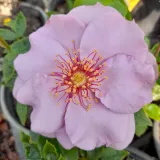
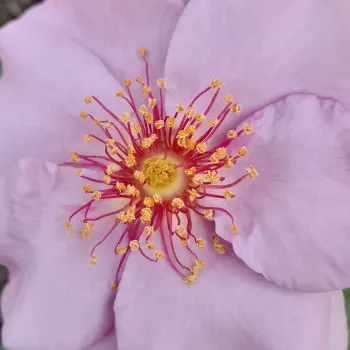
Semi-double, flat, cluster-flowered blooms of medium size (approximately 4–7 cm across) with 13–25 petals, repeating freely with a notably plentiful second flowering during the season. |
| Colour data and phenology |
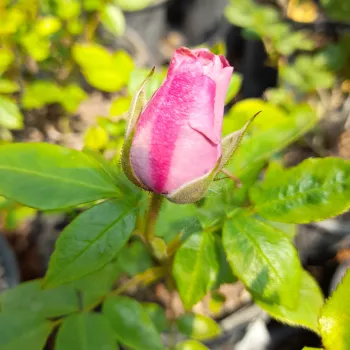
Pastel lilac to purple tones (RHS 76C outer, 75B inner); newly purple with silvery sheen, then light lilac with pearlescent edges, finally soft smoky grey-lilac before petal drop. |
| Fragrance and aroma |
Medium-strength, pleasantly noticeable scent of classic garden-rose character; fragrance is evident around seating areas and paths without becoming overwhelming in confined spaces. |
| Hip characteristics |
Rose hips form only occasionally due to semi-double flowers; where present they are small, spherical, about 10–14 mm in diameter, and coloured red, with limited ornamental impact overall. |
| Resistance and winter hardiness |
Good general garden resilience with resistance to black spot, powdery mildew and rust; reliably hardy to about –21 to –18 °C (RHS H7, USDA zone 6b, Swedish hardiness zone 3). |
| Horticultural recommendations |
Suited to beds, mixed borders, hedging and large containers; plant 35–75 cm apart, in fertile, well-drained soil; low maintenance, requiring mainly deadheading and basic watering care. |
ODYSSEY™ offers compact, floriferous structure, long-season lilac colour and reliable disease resistance in an own-root form that matures into a durable, low-effort feature, making it a thoughtful choice for enduring coastal-style plantings.