OPHELIA™ – pale pink hybrid tea rose - Paul
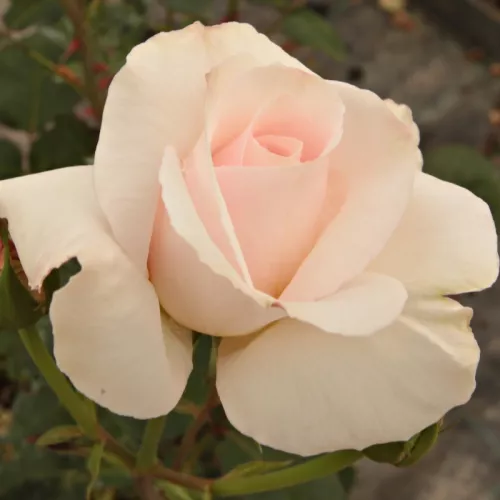
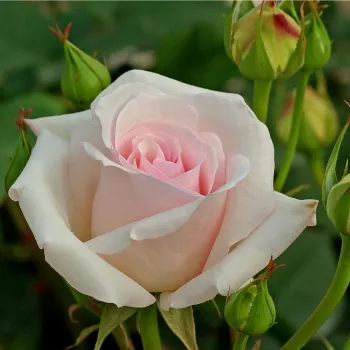
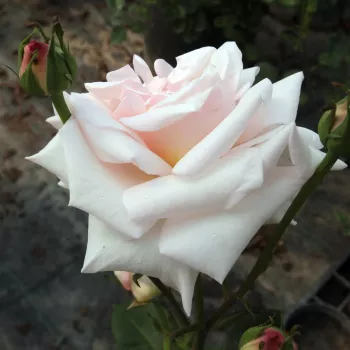
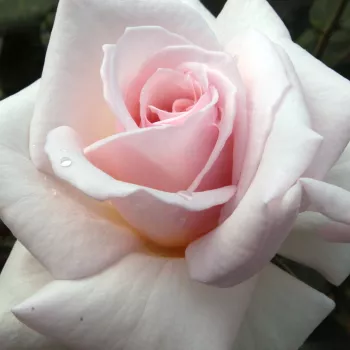
OPHELIA™ brings an air of coastal elegance to compact family gardens, with tall, upright stems that hold perfectly formed blooms ideal for a morning veranda coffee or afternoon tea. Its pastel, pale-pink flowers with a peachy centre open in generous flushes, giving you classic hybrid tea shape without demanding advanced skills. Bred in 1912 and supplied as a modern own-root shrub, it offers reassuring long-term stability and the ability to regenerate if cut back by wind or weather. Well suited to breezier sites, it copes reliably with typical British coastal gusts while still appreciating sensible drainage, so it anchors steadily into clay-based, improved garden soils. A strong, long-lasting fragrance and remontant flowering mean you can cut stems for the vase from early summer onwards without leaving the border bare. In a 40–50 litre container or a small bed, it settles in quietly: in the first year focusing on roots, in the second on taller shoots, and by the third offering its full ornamental presence with minimal fuss for time-pressed beginners.
Usage options
| Target area | Reasoning |
|---|
| Small coastal front garden by a veranda |
The upright, bushy habit fits neatly into a narrow shingle or gravel strip, giving refined flowers without overwhelming the space, while coping reliably with the breezier conditions often found near the sea, ideal for coastal-style lovers. |
| Large container (40–50 litres) on a sunny terrace |
A sizeable pot provides root volume and anchoring, keeping this own-root shrub stable in exposed positions and making watering and feeding easy to manage, perfectly suited to busy urban balcony and veranda gardeners. |
| Cutting corner for perfumed indoor arrangements |
Long, straight stems with classic hybrid tea form and strongly scented, pale-pink blooms are excellent for cutting, offering repeat flushes so the plant continues to decorate the garden while you enjoy vases indoors, perfect for home flower enthusiasts. |
| Feature rose in a mixed pastel border |
The elegant, pastel pink and peach tones blend smoothly with silvery foliage and soft blues, giving a calm, coastal-inspired palette and a vertical accent among perennials or grasses, appealing to design-conscious hobby gardeners. |
| Pairing with low, drought-tolerant companions |
Moderate water needs combine well with resilient plants such as Artemisia or Festuca, letting you create a textured, low-maintenance scheme that still looks refined and romantic, attractive for time-poor family garden owners. |
| Roses in heavy clay-based garden beds |
Once the soil is improved for drainage, the upright, medium-sized bush establishes a strong own-root system that anchors well and offers long service in typical British clay loams, reassuring for long-term-minded homeowners. |
| Classic specimen near seating or a garden bench |
Planted where you pass regularly, its strong, sweet fragrance and traditional, cup-shaped blooms make everyday routes feel special, without complicated pruning requirements beyond basic deadheading and light shaping, ideal for relaxed beginners. |
| Informal row along a path or driveway |
At the recommended spacing it forms a loose, airy line of scented blooms that politely outlines routes without becoming a dense hedge, combining tidy structure with easy seasonal care for practical, low-fuss gardeners. |
Styling ideas
- Seaside-Veranda – Combine OPHELIA™ in a 50-litre container with sea kale and blue Festuca for a breezy, Cornwall-inspired look – ideal for coastal veranda owners.
- Tea-Corner – Place a single shrub beside a bistro set, underplanted with lavender, to enjoy fragrance during morning coffee – perfect for busy professionals unwinding at home.
- Pastel-Border – Mix with soft pinks, creams and silver Artemisia in a narrow bed for a calm, feminine scheme – suited to romantic-style gardeners.
- Cutting-Strip – Plant a short row along a sunny fence solely for cutting stems, edging with low Euonymus for structure – appealing to home floristry enthusiasts.
- Clay-Revival – In improved clay soil, use OPHELIA™ as a focal point among drought-tolerant grasses, balancing structure and ease – good for practical family-garden planners.
Technical cultivar profile
| Parameter | Data |
|---|
| Name and registration |
Hybrid tea rose, commercial name OPHELIA™ – pale pink hybrid tea rose - Paul; ARS exhibition name ‘Ophelia’; unregistered cultivar in the hybrid tea commercial group. |
| Origin and breeding |
Old hybrid tea bred by William Paul & Son, Waltham Cross, United Kingdom, from an ‘Antoine Rivoire’ seedling; introduced in the UK in 1912 and still valued in gardens. |
| Growth and structural characteristics |
Upright, bushy shrub to around 80–110 cm high and 50–70 cm wide, with moderately dense, slightly glossy medium to dark green foliage and a moderately thorny framework. |
| Flower morphology |
Medium-sized, double, solitary, cup-shaped blooms with around 26–39 petals; remontant with a generous second flush; weakly self-cleaning so spent blooms usually benefit from deadheading. |
| Colour data and phenology |
Pale pastel pink with a warm, peachy mid-tone; buds powder-pink with creamy-yellow base; colour lightens toward creamy-beige in strong sun but holds well in cooler weather. |
| Fragrance and aroma |
Strong, long-lasting, slightly sweet scent typical of classic hybrid teas, carrying well near paths or seating areas and providing richly perfumed stems for indoor arrangements. |
| Hip characteristics |
Hip set is usually limited because of the double flowers; where formed, hips are spherical, about 8–12 mm in diameter, and mature to a decorative orange-red colour in late season. |
| Resistance and winter hardiness |
Hardy to approximately −26 to −23 °C (RHS H7, USDA 5b); moderate overall disease resistance with good resistance to powdery mildew and black spot, and moderate susceptibility to rust. |
| Horticultural recommendations |
Best in full sun with well-drained, improved soil; moderate maintenance with occasional pest and disease checks; water regularly in dry spells and deadhead to encourage repeat flowering. |
OPHELIA™ rewards patient gardeners with fragrant, repeat-flowering pastel blooms, a compact habit for small gardens or containers, and the reassuring longevity of an own-root rose, making it a thoughtful choice for long-term planting plans.