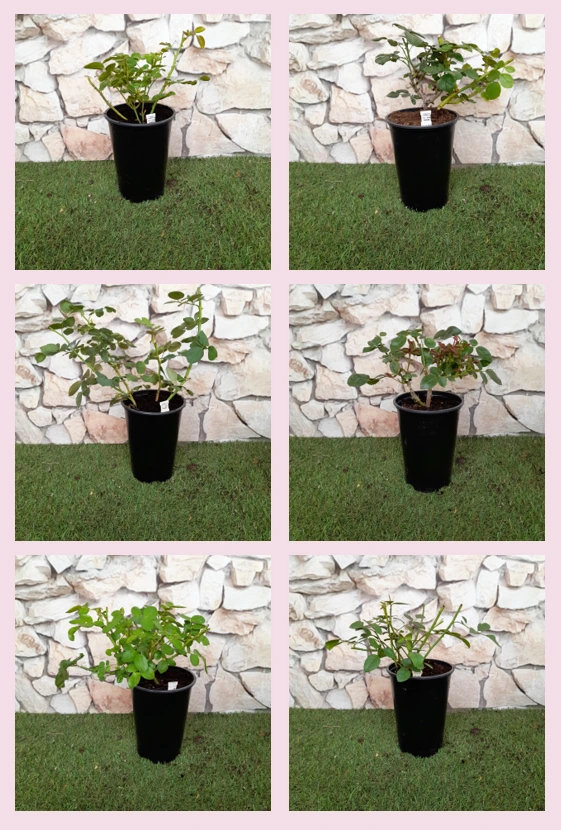
Orange Amorina – orange landscape shrub rose – De Ruiter
Orange Amorina wraps your coastal garden in a feeling of refreshment, its clear mandarin blooms and fresh citrus scent lifting the mood of any family space. This compact, upright shrub stays neatly in bounds yet offers generous, repeat flowering from early summer well into autumn, ideal when you want colour without fuss. Own-root planting gives reassuring stability, a long-lived framework and reliable regrowth after rough weather. It copes well with strong breezes and salt-laden air, offering secure anchoring and stress-tolerant endurance along exposed Cornish and Devon verandas. Low pruning needs and self-cleaning clusters mean more time for seaside walks and less deadheading. In its first few seasons it concentrates on roots, then builds sturdy shoots, before reaching full ornamental value by year three for lasting impact. Plant one in a 40–50 litre container on a sunny terrace or slip several into well-drained beds, where their vibrant colour and mid-green foliage bring coastal charm. The single flowers with exposed stamens add quiet wildlife interest, while the hardy framework and good disease resistance support genuinely easy-care gardening for busy households who still love to unwind with tea in a sheltered, sunlit corner.
Usage options
| Target area | Reasoning |
|---|
| Coastal veranda containers (40–50 litres) |
Compact, upright growth and moderate spread make Orange Amorina easy to keep in shape on balconies and verandas, while its stress-tolerant constitution handles breezy, salt‑tinted conditions typical of coastal homes; an inviting choice for beginners. |
| Low-maintenance family garden beds |
Good disease resistance and self‑cleaning clusters reduce spraying and deadheading, so beds stay bright with minimal effort, ideal where time is short but a reliable, long season of colour is still important for busy-owners. |
| Long-lived structure in small gardens |
Own‑root plants develop a durable framework that reshoots well after pruning or weather damage, giving many years of steady performance without graft worries, well suited to smaller gardens that need enduring structure for homeowners. |
| Season-long colour around seating areas |
Repeat flowering and medium‑sized orange blooms in clusters ensure a steady show near patios and tea corners, creating a cheerful backdrop from early summer into autumn without constant replanting, perfect for relaxed tea-lovers. |
| Wind‑prone front gardens and driveways |
A bushy yet upright habit and moderately thorny stems help it stand firm and knit into a stable shrub, offering gentle shelter and colour in exposed approaches where strong winds would test less robust roses, reassuring for coastal-owners. |
| Pollinator‑friendly mixed borders |
Single, open flowers with visible stamens offer accessible pollen, while the fresh orange‑citrus fragrance adds sensory interest, so mixed borders gain both movement from visiting insects and a light scent appreciated by wildlife‑aware gardeners. |
| Small urban gardens and terraces |
Its modest height and spread suit tight plots, and own‑root resilience pairs well with containers or pocket beds where roots are restricted, making it a practical focal shrub for compact, design‑conscious city-dwellers. |
| Planned multi‑year planting schemes |
With early years focused on root establishment, then shoot development, and a full ornamental presence by the third year, it fits thoughtful, phased designs that value steady improvement over time, attractive to forward‑planning hobby-gardeners. |
Styling ideas
- Shingle-terrace glow – Combine Orange Amorina in a large pot with driftwood accents and silver sea kale in nearby beds to echo coastal light – ideal for relaxed seaside veranda owners.
- Soft-mandarin hedge – Plant a loose, low hedge along a path at 35 cm spacing, underplanted with blue Festuca to contrast the orange blooms – designed for structured yet informal family gardens.
- Pollinator promenade – Thread shrubs through a border of Carpathian bellflower and airy ornamental grasses to provide nectar, colour and movement – appealing to wildlife‑minded beginners.
- Sunset patio trio – Group three shrubs in matching 50 litre containers with pale gravel top‑dressing for a clean, modern look – suited to busy urban households wanting easy seasonal impact.
- Low-care park corner – Use as a solitary feature backed by English bluebeard and simple lawn, relying on its disease resistance and self‑cleaning habit – perfect for those preferring minimal maintenance.
Technical cultivar profile
| Parameter | Data |
|---|
| Name and registration |
Orange Amorina, a modern shrub landscape rose marketed as an orange garden and bed rose by De Ruiter; exhibition category shrub rose within the Garden rose collection. |
| Origin and breeding |
Bred and introduced by De Ruiter Innovations B.V. in the Netherlands, with undocumented parentage; developed for robust landscape performance and commercial garden use. |
| Growth and structural characteristics |
Bushy, upright shrub reaching approximately 60–85 cm high and 50–70 cm wide, with moderately dense, mid‑green foliage and moderate prickliness, forming a tidy, compact framework. |
| Flower morphology |
Single, flat blooms with 5–12 petals, medium size in clustered inflorescences, repeating well through the season, with a notably abundant second flush after initial flowering. |
| Colour data and phenology |
Deep orange‑red buds open to vibrant mandarin, then soften toward peachy orange with creamy edges; full bloom a uniform orange with paler margins, colour lightening in strong sun. |
| Fragrance and aroma |
Medium‑strength perfume with a fresh, orange‑citrus character that is clearly noticeable around the plant in warm weather, adding sensory value near paths and seating. |
| Hip characteristics |
Produces moderate numbers of ellipsoid hips, 10–14 mm across, coloured orange‑red and adding a modest seasonal accent in late season where spent flowers are not removed. |
| Resistance and winter hardiness |
Good overall disease resistance with strong tolerance to powdery mildew and black spot, moderate rust susceptibility, and reliable hardiness to around −21 to −18 °C (RHS H7, USDA 6b). |
| Horticultural recommendations |
Best in full sun with reasonable drainage; spacing from 35–65 cm depending on use, low feeding and pruning needs, benefits from irrigation in prolonged drought and suits beds or larger containers. |
Orange Amorina offers compact, repeat flowering colour, good disease resistance and long-lived own-root reliability, making it a thoughtful, easy-care choice for your next coastal or family garden planting.