PANNONHALMA – cherry-red tea-hybrid rose - Márk
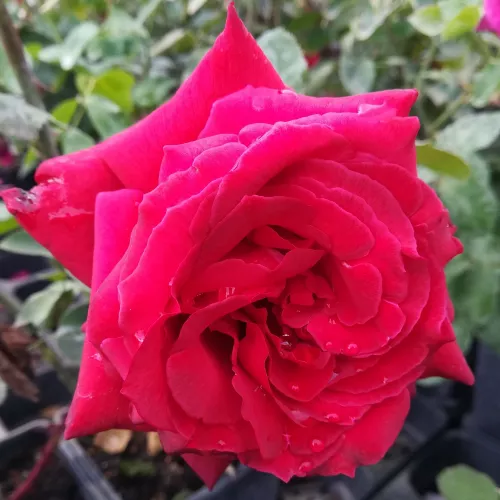
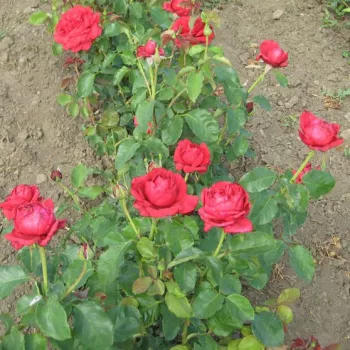
Along a breezy Cornish veranda or a sheltered Devon terrace, PANNONHALMA brings a sense of coastal refreshment with its deep cherry-red, cupped blooms and medium, lasting fragrance that suits slow weekend breakfasts and late afternoon tea. This compact, erect hybrid tea is easy to place in a modest family garden, working well in a 40–50 litre pot or a narrow border where reliable flowering matters more than complicated pruning. Its good disease resistance keeps foliage neat even when salt-laden winds sweep through, helping it stand firm as a natural windbreak while you enjoy a shingle-inspired planting of grasses and sea-loving perennials. Planted on its own roots, the rose settles in steadily – think strong roots in the first year, confident new shoots in the second, then full ornamental impact by the third – giving you a long-lived, stable presence that does not sulk after harsher weather. With moderately thorny stems ideal for a few cut stems to bring indoors, and repeat flushes through the season, you can appreciate its longevity and structure without fussy spraying or feeding regimes. Whether edging a path to your front door or anchoring a small seating area, PANNONHALMA offers dependable structure, season-long colour and a quietly indulgent sense of coastal calm.
Usage options
| Target area | Reasoning |
|---|
| Coastal veranda container (40–50 litre) |
A sturdy 40–50 litre container gives enough root room for this compact, erect shrub to anchor itself securely and flower repeatedly beside seating or a doorway, even when salty, gusty weather rolls in from the sea for coastal-style beginners. |
| Small front garden focal point |
Its moderate height and upright habit create a clear vertical accent without overwhelming a narrow front border, and the deep cherry-red flowers with medium fragrance add formality and welcome by the gate for busy family homeowners. |
| Low, flowering wind-filter hedge |
Planted at 40–50 cm intervals in a loose line, the dense, mid-green foliage and moderately thorny stems form a light wind filter, softening breezes around a seating area while the repeat-flowering blooms keep the hedge decorative all season for coastal veranda users. |
| Bedding rose in a family back garden |
With low maintenance needs and good resistance to key rose diseases, this variety works well in informal bedding where you want colour without constant spraying, keeping weekends free for family rather than garden chores for time-poor hobby gardeners. |
| Cut-flower corner by the patio |
Large, very full, long-lasting flowers on straight stems make it easy to snip a few cherry-red blooms for the house, while the plant keeps producing further flushes, so the garden display quickly recovers for home flower-arranging enthusiasts. |
| Shingle-style coastal border |
Set among gravel, sea kale and low grasses, its slightly glossy, mid-green foliage and stable colour that only fades to wine-red before withering add depth and structure that stand out against pale stones for lovers of contemporary coastal design. |
| Mixed border with perennials |
Partnered with lavender, bearded iris or honesty, the strong, cupped blooms give a rich cherry-red focus point while their repeat flowering threads colour through gaps between perennial peaks, extending interest from late spring onwards for relaxed mixed-border gardeners. |
| Long-term feature in a small garden |
As an own-root rose, it regenerates well from the base and maintains an even shape over time, supporting a long garden life with stable ornamental value and minimal specialised pruning knowledge needed for new or cautious rose growers. |
Styling ideas
- Harbour-terrace pot – Place one plant in a generous 40–50 litre sand-coloured container with pale gravel mulch to echo harbour walls, letting the cherry-red blooms and fragrance frame a bistro set – ideal for coastal veranda owners.
- Shell-path edging – Use a short row along a path edged with shingle and shells so the upright, repeat-flowering plants guide you to a seating nook while still feeling airy – perfect for small family gardens.
- Ruby-and-lavender mix – Combine with lavender and Festuca for a soft, silvery backdrop that makes the rich red flowers glow and fills the air with complementary scent – suited to gardeners who like low-fuss harmony.
- Cutting strip – Devote a narrow bed to several plants spaced for easy access; their straight stems and full blooms provide reliable vase material without sacrificing the garden display – good for home floristry enthusiasts.
- Calm cloister corner – Evoke monastic calm by pairing PANNONHALMA with bearded iris and honesty near a simple bench, using its steady form and fragrance as a quiet focus – appealing to contemplative, design-aware gardeners.
Technical cultivar profile
| Parameter | Data |
|---|
| Name and registration |
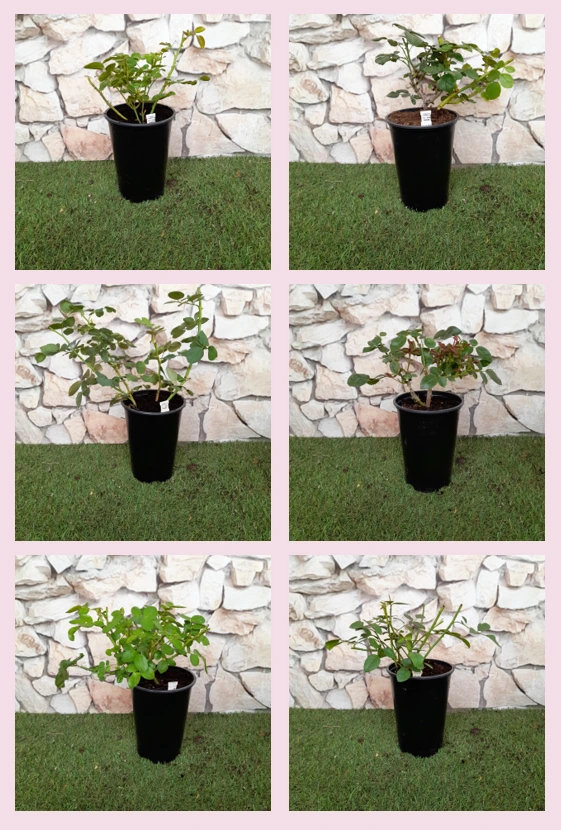
PANNONHALMA hybrid tea rose by Márk; hybrid tea group, exhibition-type bloom suitable for cutting and garden use, marketed in the PharmaROSA® / vivianaROSE® 2-litre own-root range. |
| Origin and breeding |
Bred by Hungarian rosarian Márk Gergely, introduced by PharmaRosa® Ltd. in 1991; parentage and breeding institution are undocumented, but the cultivar has been commercially stable for decades. |
| Growth and structural characteristics |
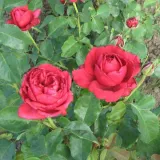
Compact, erect shrub reaching roughly 80–110 cm high and 60–80 cm wide, moderately thorny, with moderately dense, slightly glossy mid-green foliage giving a tidy, structured appearance in borders and containers. |
| Flower morphology |
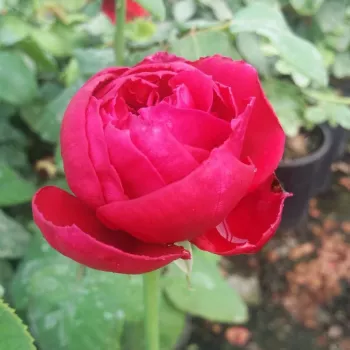
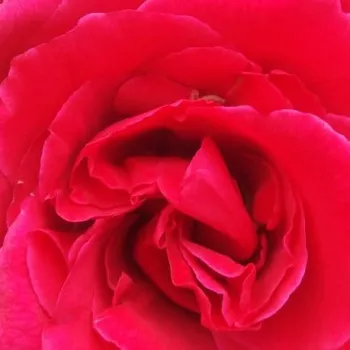
Large hybrid tea blooms, very full with over 40 petals, borne mostly singly on upright stems; flowers are cupped in form and produced in repeat flushes, with the second wave also notably abundant in season. |
| Colour data and phenology |
Deep cherry-red flowers with velvety impression; buds burgundy, newly open blooms intense red, later softening to a muted wine-red; colour holds moderately well, only dulling slightly before petals finally drop. |
| Fragrance and aroma |
Medium-strength, full rose fragrance of classic character, lingering well on the flower; scented blooms make it suitable for seating areas, entrances and cutting for indoor enjoyment without being overpowering. |
| Hip characteristics |
Occasional small ellipsoid hips, around 10–14 mm, orange-red when ripe; decorative but not produced in heavy quantities, so they do not dominate the plant’s overall ornamental effect in the garden. |
| Resistance and winter hardiness |
Good resistance to powdery mildew, black spot and rust, reducing need for chemical sprays; hardy approximately to RHS H4 and USDA 8b, suiting much of lowland UK when planted in a reasonably sheltered position. |
| Horticultural recommendations |
Best in full sun, in fertile, well-drained soil; space 40–80 cm depending on use. Ideal for bedding, low hedging, cutting and large containers; regular deadheading and balanced feeding support repeat blooming. |
PANNONHALMA offers deep cherry-red, fragrant blooms, easy-care disease resistance and long-lived own-root reliability, making it a thoughtful choice for compact coastal-inspired gardens and relaxed family spaces.