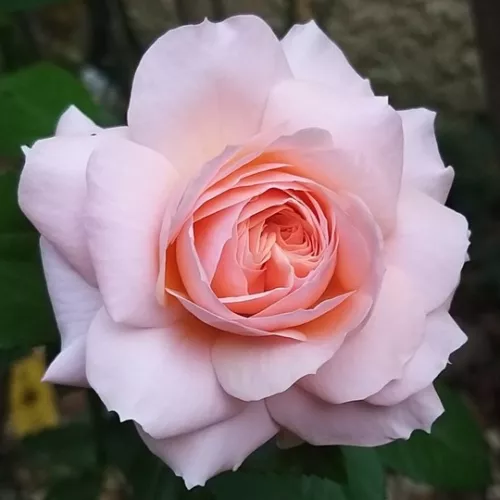
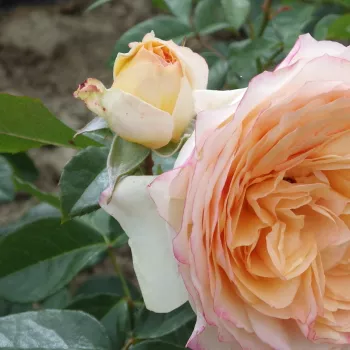
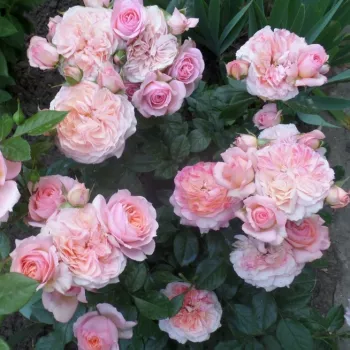
PANOLDAP – pink hybrid tea rose – Panozzo
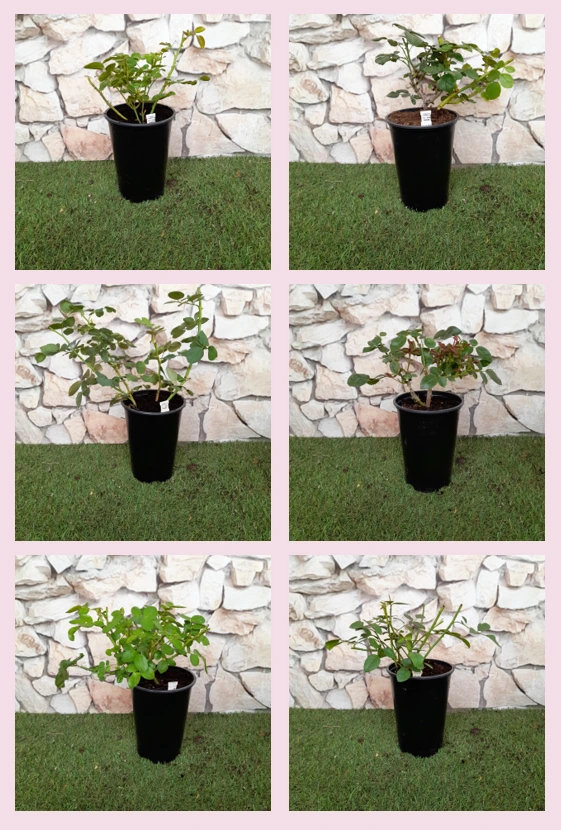
Imagine returning from a breezy walk on the beach, shells in your pocket, to sit with a cup of tea behind a living windscreen of roses: PANOLDAP brings a calm, refined structure to small coastal gardens and verandas, even where you must manage heavier soils with careful drainage and shelter. Its upright habit and dense dark foliage give lasting presence, while the large, double, peach‑pink blooms add a soft, feminine glow from early summer onwards. Strong, spicy fragrance carries beautifully on the sea breeze, and in a generous container of 40–50 litres it settles in with minimal fuss. Being grown on its own roots offers reassuring longevity and the ability to regenerate if cut back hard. Think of year one quietly building roots, year two filling out in confident shoots, and year three rewarding you with its full ornamental performance.
Usage options
| Target area | Reasoning |
|---|
| Coastal veranda in large containers |
In 40–50 litre pots PANOLDAP anchors well against gusty weather, its upright, compact habit fitting neatly beside outdoor seating while spicy fragrance drifts around your tea table, ideal for beginners seeking an easy, seaside feel for their veranda. |
| Small front garden focal point |
The dense, glossy foliage and elegant hybrid tea form provide a tidy, all‑season framework, with soft peach‑pink blooms offering gentle kerb appeal without dominating the space, ideal for time‑pressed homeowners wanting a simple, high‑impact centrepiece. |
| Roses-and-lavender strip by a path |
Planted in a narrow bed with low Lavandula and blue Festuca, PANOLDAP’s upright structure and long stems keep the flowers visible above the foliage, creating a calm, wind‑resistant ribbon of colour for hobby gardeners favouring classic, low‑maintenance borders. |
| Sheltered shingle or gravel bed |
In coastal gardens with stony or heavier soil, thoughtful preparation for good drainage pairs with PANOLDAP’s compact frame to create a dependable, feminine accent that copes with breezy exposures, suiting coastal-style lovers who appreciate softly coloured planting. |
| Cutting corner for home bouquets |
The large, double, exhibition-style blooms on strong, straight stems are perfect for cutting a few stems at a time, giving fragrant, long-stemmed roses for the house, appreciated by creative gardeners who like arranging their own bouquets. |
| Mixed rose and shrub bed |
Used as a repeating vertical accent among compact shrubs, PANOLDAP adds rhythm and height without sprawling, its strong perfume weaving through the planting and complementing sea kale or low grasses for family gardeners who value structured yet romantic layouts. |
| Partially shaded seating nook |
Tolerating partial shade, PANOLDAP can brighten a corner that only receives several hours of sun, with pale blooms that read clearly in softer light, suiting urban owners who want reliable flowers near a bench without demanding intensive upkeep. |
| Long-term feature in a settled family garden |
As an own-root rose, PANOLDAP develops steadily, with roots establishing, shoots building, then a mature show that recovers well if pruned hard, ideal for families planning a lasting, evolving garden rather than short-lived seasonal displays. |
Styling ideas
- Seaside Veranda Nook – Place a pair of PANOLDAP in 40–50 litre containers flanking a bistro table, underplanted with trailing sea thrift for a soft, coastal feel – perfect for beginners wanting a romantic, wind-sheltered perch.
- Powder-Pink Entrance – Use three plants in a staggered triangle by the front gate, edging with low Festuca and white alyssum – for homeowners seeking gentle kerb appeal without complex maintenance.
- Lavender Tea Walk – Alternate PANOLDAP with short lavender along a sunny path so perfume mixes and the roses rise above the hedge – ideal for hobby gardeners who like evening strolls through scented planting.
- Shingle Romance Bed – In a gravelled strip, combine PANOLDAP with sea kale and silvery foliage for a beach-inspired, girly palette – suited to coastal-style lovers keen to soften practical drainage areas.
- Cut-Flower Corner – Dedicate a small square bed to PANOLDAP among airy grasses, giving straight, fragrant stems for vases – appealing to creative gardeners who enjoy arranging home-grown roses.
Technical cultivar profile
| Parameter | Data |
|---|
| Name and registration |
Hybrid tea rose PANaldap, trade name PANOLDAP – pink hybrid tea rose – Panozzo; exhibition hybrid tea type suitable for cutting and garden display, verified cultivar authenticity for reliable identification. |
| Origin and breeding |
Bred by Bernard Panozzo in France and introduced in 2011; parentage and breeding institution are not recorded, but distributed initially by Pétales de Roses for ornamental and cutting use. |
| Growth and structural characteristics |
Upright hybrid tea reaching about 80–110 cm in height and 60–85 cm spread, with dense, dark green, glossy foliage and moderate prickliness, forming a compact, structured shrub suited to beds and containers. |
| Flower morphology |
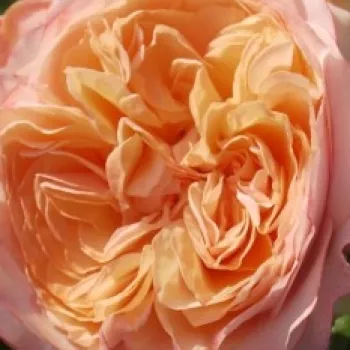
Large double hybrid tea blooms with approximately 26–39 petals, rosette form and solitary presentation on stems, remontant habit with a generous second flush providing repeated flowering through the main season. |
| Colour data and phenology |
Closed buds show pale powder-pink exteriors with peach–salmon centres; newly opened flowers are apricot–coral, maturing to soft peach‑pink, eventually fading towards powder-pink–cream tones with a porcelain-like veil before petal drop. |
| Fragrance and aroma |
Strong, spicy rose fragrance clearly noticeable from a distance, giving a classic scented hybrid tea effect; double blooms moderately attract pollinators, though less than single forms where stamens are more exposed. |
| Hip characteristics |
Produces moderate quantities of small ellipsoidal hips, roughly 8–12 mm diameter, coloured orange-red; ornamental value is discreet, appearing after flowering if spent blooms are not removed for continued display. |
| Resistance and winter hardiness |
Hardy to approximately −26 to −23 °C, rated RHS H7, Swedish Zone 4 and USDA 5b; disease resistance is low, with notable susceptibility to powdery mildew, black spot and rust, so consistent protection is needed. |
| Horticultural recommendations |
Best in well-prepared soil with good drainage, full sun to partial shade; suitable for beds, parks, specimen use and containers, planted at 40–75 cm spacing depending on effect, requiring regular plant protection and basic rose care. |
PANOLDAP – pink hybrid tea rose – Panozzo offers a compact, upright form, long-stemmed fragrant blooms and dependable own-root longevity, making it a considered choice for those planning a lasting, gently scented garden feature.