PAUL NOËL – salmon-pink rambler climbing rose - Tanne
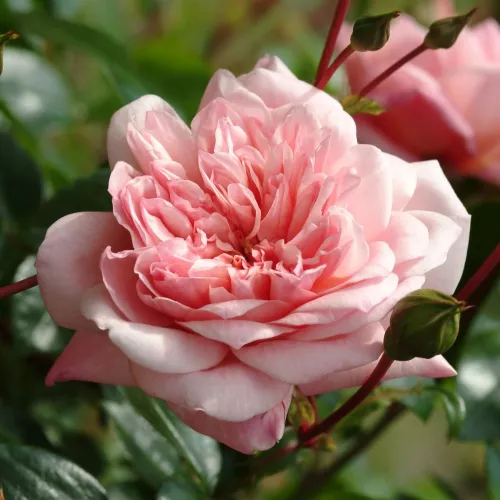
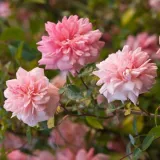
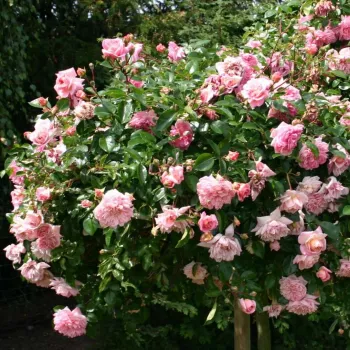
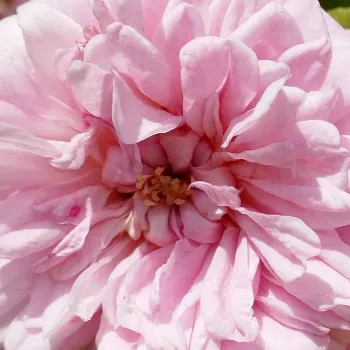
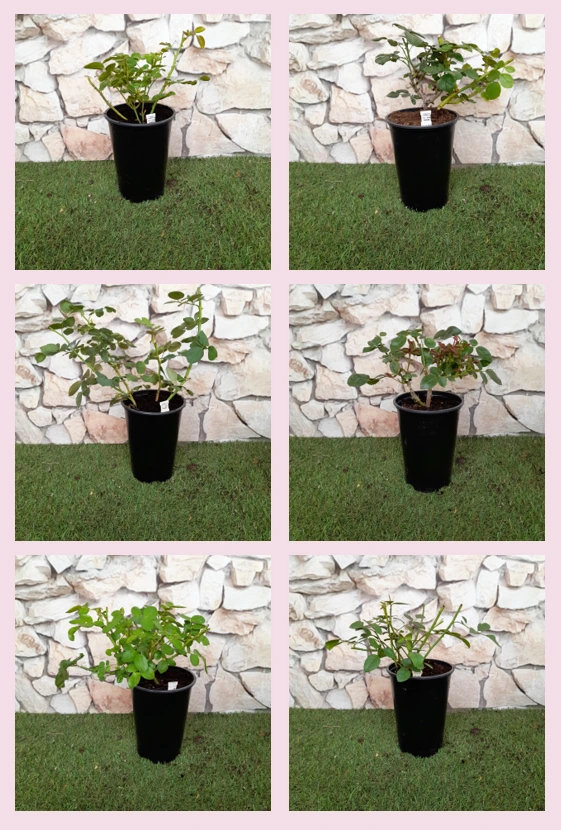
Let Paul Noël bring a soft coastal breeze to your garden, with salmon-pink rosettes that repeat flower through the season and a strong, fresh, fruity fragrance that feels like tea on a sunny veranda after seaside walks. This historic rambler’s dense, glossy foliage clothes arches, pergolas and fences with ease, while its flexible canes handle exposed, breezy corners where consistent moisture and good drainage keep roots steady through blustery, salt-tinged weather. Own-root growing means a long-lived, regenerating structure that settles in steadily as roots in year one, more flowering shoots in year two and full ornamental value by year three, giving you relaxed, chemical-sparing gardening for family spaces, small shingle plots and sheltered coastal verandas.
Usage options
| Target area | Reasoning |
|---|
| Coastal veranda windbreak |
Clothe railings or a light trellis with dense, mid-green foliage and softly scented salmon-pink rosettes, creating a gentle screen that calms the breeze without feeling heavy, ideal for enjoying a cup of tea outdoors for beginners. |
| Arch over a shingle path |
Train the long, supple canes over an arch to frame a shingle path, where repeat flowering and natural romantic charm give you a seaside “rose tunnel” effect that feels immersive yet needs only seasonal tying-in for busy-owners. |
| Pergola by a seating area |
Grow it up pergola posts to bring strong, fruity scent down to chair height, with blossoms at eye level from early summer onwards, enriching family evenings outside with atmosphere and colour for homeowners. |
| Fence or boundary softening |
Use its vigorous, climbing habit and glossy foliage to break up hard lines of timber or wire fencing, giving an established look quite quickly while remaining manageable with one main prune a year for time-poor-gardeners. |
| Partial-shade side return |
Site it where it receives a few hours of sun and bright shade for the rest of the day; its tolerance of partial shade and airy growth habit keep narrow side passages uplifting rather than gloomy for narrow-spaces. |
| Clay soil family garden corner |
Anchor this own-root rambler where improved drainage supports reliable growth in heavier soils, giving a long-lived framework that copes well with typical British downpours and blustery spells in a coastal-feeling setting for UK-gardeners. |
| Large container on a terrace |
Plant into a 40–50 litre or larger pot with free-draining compost and a sturdy obelisk or trellis; regular watering and feeding reward you with generous flowering and scent in even the smallest paved spaces for balcony-owners. |
| Low-chemical family space |
Moderate disease resistance and own-root resilience make it a sound choice where you prefer minimal spraying; if any stem is damaged, it can regrow from its own base, extending its useful garden life for eco-conscious-families. |
Styling ideas
- Seaside-arch – Let Paul Noël spill over a wooden arch with sea kale, Festuca and lavender softening the base – ideal for coastal-style lovers wanting a romantic entrance.
- Veranda-screen – Train along slim wires on a balcony rail in a large container, pairing with pots of thyme and rosemary – suited to beginners seeking privacy and fragrance.
- Shingle-corner – Combine at a sunny, gravelled corner with Alchemilla mollis and pale grasses for a soft, feminine “girly” look – perfect for small family gardens.
- Evening-pergola – Grow up a pergola post beside outdoor seating, underplanting with Gypsophila and low lavender for a scented dusk retreat – for homeowners who entertain.
- Cottage-fence – Weave through a rustic fence with lady’s mantle at the base for blowsy, old-world charm – appealing to romantic gardeners who favour low-fuss structure.
Technical cultivar profile
| Parameter | Data |
|---|
| Name and registration |
Rambler rose marketed as Paul Noël (Paul Noel), a salmon-pink climbing rambler; exhibition category climbing rose; unregistered variety used under a long-established trade name. |
| Origin and breeding |
Bred by Rémi Tanne in France around 1910, introduced 1912; parentage Rosa wichuraiana × ‘Monsieur Tillier’, combining flexible rambling growth with warm-toned, old-rose style blooms. |
| Awards and recognition |
Holds the Royal Horticultural Society Award of Garden Merit, indicating proven garden performance, reliability and ornamental value under typical UK growing conditions when reasonably maintained. |
| Growth and structural characteristics |
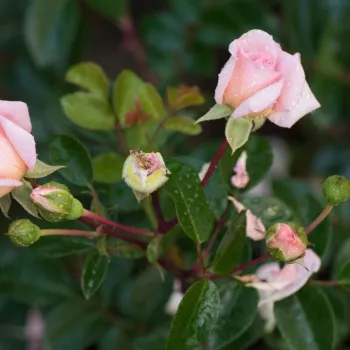
Strong climber to around 3,2–5,2 m high and 2,8–4,5 m spread, moderately thorny, with dense, glossy, mid-green foliage on rambling canes suited to arches, pergolas, walls and large fences. |
| Flower morphology |
Medium-sized, double, rosette-shaped flowers with roughly 26–39 petals, produced in corymbose clusters; remontant habit, with a generous main flush followed by lighter repeat later in the season. |
| Colour data and phenology |
Warm salmon-pink blooms with a soft yellowish tinge, buds medium-deep salmon; colour fades gently to pastel pink and creamy tones, retaining attractive soft blends even in bright sun. |
| Fragrance and aroma |
Strong, clearly noticeable scent with a fresh, fruity character typical of fragrant garden roses; perfume is evident around seating areas, especially in still, warm evening conditions outdoors. |
| Hip characteristics |
Occasionally forms small, ovoid rose hips approximately 6–10 mm across, orange-red when ripe, offering modest autumn interest without being a dominant ornamental feature on the plant. |
| Resistance and winter hardiness |
Hardy to about -26 to -23 °C (RHS H7; Swedish zon 4; USDA 5b); moderate disease resistance, with possible powdery mildew, black spot and rust in unfavourable seasons, needing monitoring. |
| Horticultural recommendations |
Best on supports such as arches, pergolas, walls or fences, spaced 2,1–3,85 m apart; tolerates partial shade, prefers consistent moisture, and benefits from medium-level maintenance and training. |
PAUL NOËL – salmon-pink rambler climbing rose - Tanne rewards you with romantic, fragrant arches, reliable repeat flowering and long-lived own-root resilience; consider it if you would like a graceful, easy-going climber for your garden.