PHYLLIS BIDE – apricot-pink climbing rose
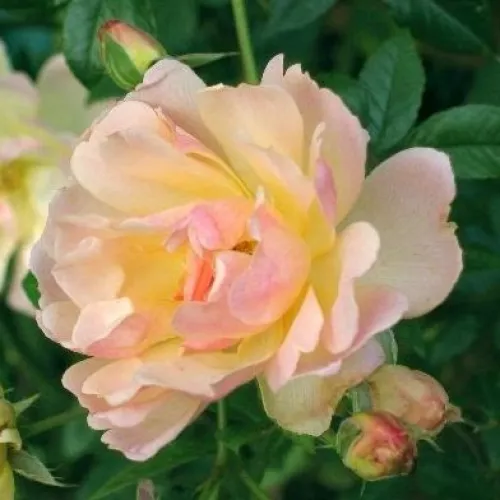
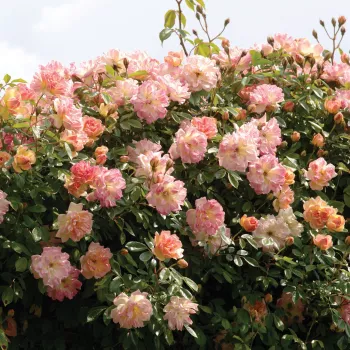
Let PHYLLIS BIDE bring a sense of seaside breeze and soft romance to your garden: an apricot-pink climbing rose that copes well with wind and showers while covering arches, fences or verandas with light, semi-double blooms. Its moderate height makes it easy to manage in a typical family plot, yet it still creates a generous screen of glossy, mid-green foliage for privacy and shade. As an own-root plant, it grows into a long-lived, resilient partner in your garden, quietly regenerating after pruning with fewer worries about winter losses or graft failure. In UK conditions, including breezier coastal spots, it settles in reliably if you give it reasonable drainage and steady moisture. Flowering in flushes through summer with a pastel, sun-washed palette, PHYLLIS BIDE suits relaxed, “girly” coastal-style planting around seating areas where you can enjoy its gently nostalgic colour. Over the first three seasons you will see roots establish, then stronger shoots, and by the third year a full display that feels effortlessly at home beside shingle, decking and veranda railings, offering a calm, low-fuss garden retreat.
Usage options
| Target area | Reasoning |
|---|
| Small coastal veranda climber |
Compact for a climber yet still generous, PHYLLIS BIDE is well suited to smaller coastal verandas where you want height without overwhelming the space. Its good tolerance of wind and temporary drought helps it manage exposed, sunny positions typical of Cornish and Devon balconies or decks. In a 40–50 litre container with steady moisture and good drainage, it can be trained up posts or railings to create a light, airy veil of flowers rather than a dense wall. A practical choice for coastal-style lovers and beginners. |
| Family garden pergola or arch |
With a height of around 2.4–3.8 m and a moderate spread, PHYLLIS BIDE readily clothes pergolas and arches without insisting on excessive pruning. Its repeat flowering gives a long season of pastel colour over family seating or play areas, softening structures while still allowing light through its semi-double blooms and moderately dense foliage. Own-root vigour and a long lifespan mean the framework you train now will mature into a stable, enduring feature over the years, ideal for busy homeowners. |
| Fence and boundary screening |
The combination of climbing habit and moderately dense, glossy foliage makes this rose a natural for softening fences and marking garden boundaries. It offers a friendly, non-intimidating screen that feels appropriate in typical suburban plots, where you may want privacy but not a stark hedge. Spaced at about 1.8 m, plants knit together into a gently flowering boundary that copes well with everyday UK weather, reassuring for time-pressed gardeners. |
| Romantic “girly” seating nook |
PHYLLIS BIDE’s peach-pink, creamy flowers and light, nostalgic look are perfect for creating a soft, feminine corner around a bistro set or bench. The pastel tones pair beautifully with cushions and textiles in blush, cream or soft grey, giving a calm retreat for tea after a breezy walk. As an own-root plant, it responds well to renewal pruning, quietly regenerating growth, so your pretty corner keeps its charm with modest effort, suiting style-conscious beginners. |
| Low-fuss, heat-tolerant focal point |
In sunnier, more sheltered spots, PHYLLIS BIDE shows good heat and temporary drought tolerance, making it useful where walls and patios reflect heat. Once established in reasonable soil, it keeps its ornamental value through warm spells if given supplemental watering in prolonged drought, rewarding you with repeat flushes of colour. This drought resilience, combined with moderate maintenance needs, makes it attractive for busy urban homeowners. |
| Wall-trained rose for narrow beds |
Where border depth is limited along a house or garage wall, PHYLLIS BIDE can be trained flat against supports, offering height and colour without demanding much ground space. Its manageable spread and sparsely thorned stems help with tying-in and routine care in tight areas. The plant’s long lifespan on its own roots offers stable value in these permanent positions, especially appealing to practical, space-aware gardeners. |
| Mixed coastal-style border with grasses |
With its soft hues, PHYLLIS BIDE weaves easily into shingle and grass plantings, combining well with Festuca-type grasses or sea kale for a relaxed, maritime feel. It copes well with breezy, changeable weather and tolerates wind and rain typical of open coastal gardens, so the scene stays attractive through the season rather than collapsing after bad weather. This reliability supports low-input designs for coastal-style lovers and hobbyists. |
| Part-shade side garden or alley |
Thanks to its suitability for partial shade, PHYLLIS BIDE can brighten side passages or less-sunny corners that many climbers resent. Its pastel flowers lighten as they age, so even in softer light the display remains fresh and visible, while remontant flowering keeps interest beyond the first flush. Being own-root, it can recover well from occasional neglect or harder pruning in tight, working areas, which is encouraging for busy urban gardeners. |
Styling ideas
- Seaside-Veranda Screen – Train PHYLLIS BIDE up slim posts in a 40–50 litre container, underplant with dwarf sea kale and blue Festuca for a breezy coastal palette – ideal for compact balcony owners seeking soft privacy.
- Pastel-Arch Walkway – Use two plants on an arch, interplanted with lavender at ground level to echo the peach-pink blooms with scent and movement – suited to family gardens wanting a gentle, romantic entrance.
- Shingle-Cottage Border – Combine with low mounds of Lavandula angustifolia and pale grasses in a shingle strip, letting the rose climb a simple fence for a sun-washed cottage-by-the-sea mood – perfect for coastal-style hobby gardeners.
- Courtyard-Feature Wall – Fan-train PHYLLIS BIDE on a warm wall above slim planters of Vinca minor to cover the base, keeping maintenance low while enjoying long-season colour – appealing to busy urban homeowners.
- Girly-Tea Corner – Place a small pergola over a bistro set and let PHYLLIS BIDE drape overhead, with pale pots and soft textiles in blush and cream to match the flowers – ideal for beginners creating a feminine retreat.
Technical cultivar profile
| Parameter | Data |
|---|
| Name and registration |
PHYLLIS BIDE is a climber / polyantha type climbing rose, marketed as PHYLLIS BIDE – apricot-pink climbing rose – Bide; unregistered as a cultivar but recognised in exhibition as Phyllis Bide. |
| Origin and breeding |
Bred in the United Kingdom by S. Bide & Sons, Surrey, from a cross of ‘Perle d’Or’ × ‘Gloire de Dijon’; introduced in 1924 via Grandes Roseraies du Val de Loire in France. |
| Awards and recognition |
Holds the Royal Horticultural Society’s Award of Garden Merit (AGM), indicating reliable garden performance, consistent ornamental value and sound health under typical UK conditions when grown with reasonable care. |
| Growth and structural characteristics |
Vigorous climbing habit reaching approximately 2.4–3.8 m high with a spread of 1.4–2.4 m; moderately dense, glossy mid-green foliage with reddish young shoots and relatively sparse prickles for easier handling. |
| Flower morphology |
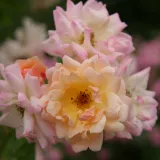
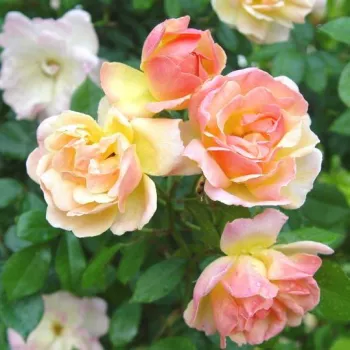
Semi-double, small blooms (around 0.5–1.5 inches) carried in clusters on the shoots; petal count typically 13–25; flat flower form, remontant with a strong second flush that provides extended seasonal display. |
| Colour data and phenology |
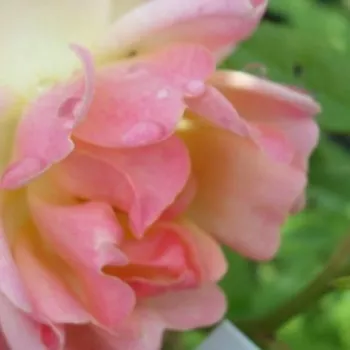
Soft peach-pink flowers with a yellowish tint; buds deep salmon with yellow tones, opening to pastel peach with creamy yellow centres, then fading to creamy white with a light pink blush, especially in brighter sun. |
| Fragrance and aroma |
Very weak, barely noticeable scent with a soft, unobtrusive character; chosen more for its colour, form and versatility than powerful fragrance, making it suitable near windows or seating for those preferring subtle aroma. |
| Hip characteristics |
Occasional small, spherical hips 8–12 mm across, colouring orange-red; modest in number and size, adding a light decorative touch in late season without significantly affecting the plant’s overall flowering display. |
| Resistance and winter hardiness |
Hardy to approximately −21 to −18 °C (RHS H7, USDA 6b), tolerating typical UK winters; moderate disease resistance, with average susceptibility to black spot, mildew and rust, and good tolerance of heat and brief drought. |
| Horticultural recommendations |
Best on pergolas, arches, fences or walls at 1.65–3 m spacing; thrives in sun or partial shade with well-drained soil and regular watering in prolonged drought; maintenance is moderate, with routine pruning and health checks. |
PHYLLIS BIDE offers compact climbing growth, repeat pastel flowering and reliable heat tolerance on a long-lived own-root framework, making it a thoughtful choice for relaxed, low-fuss coastal and family gardens.