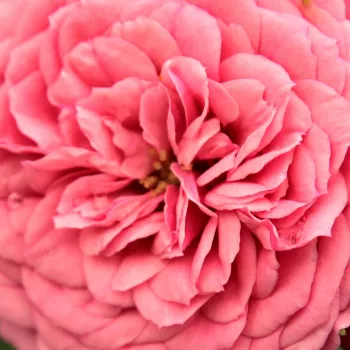
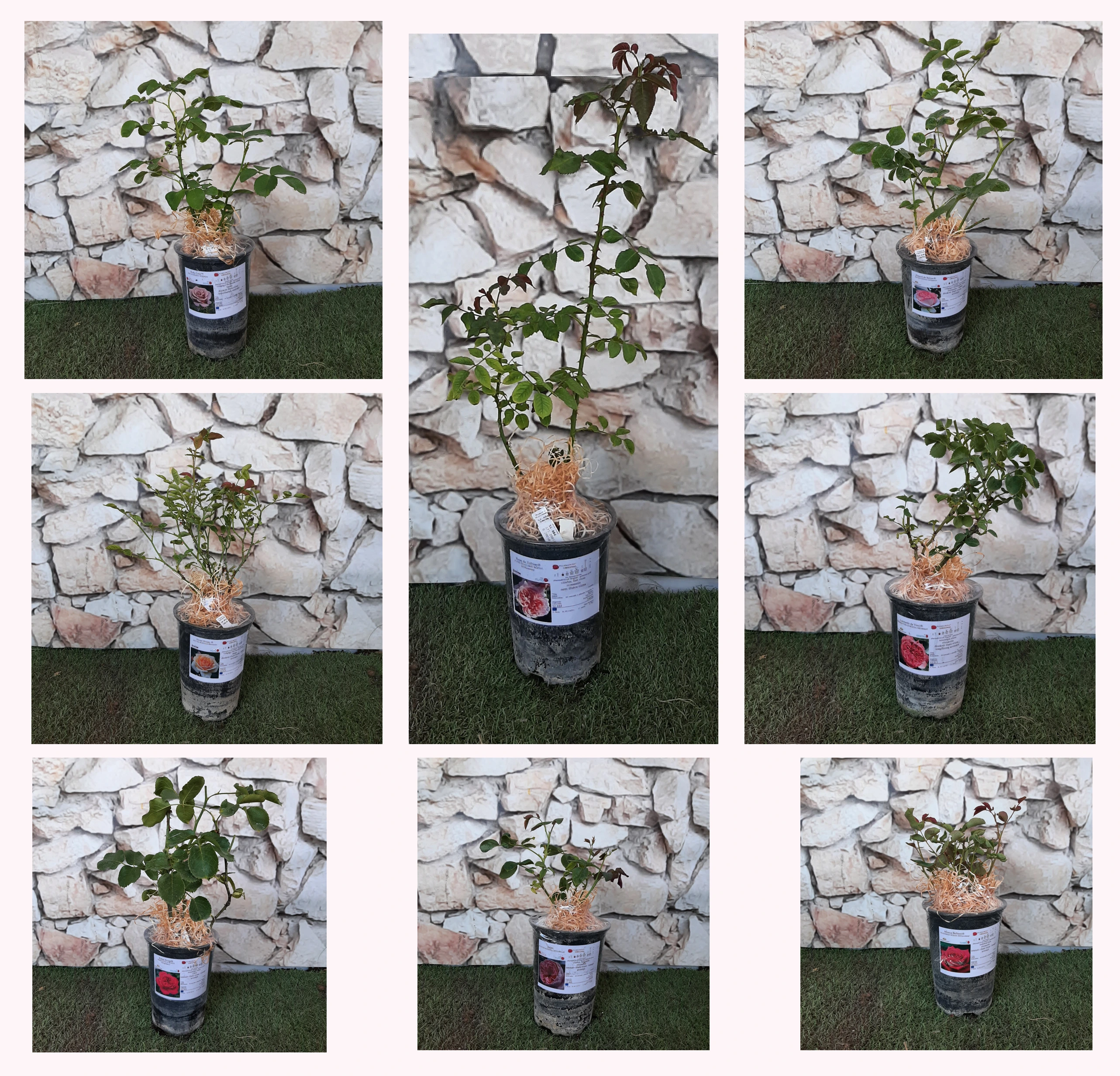
PINK BABYFLOR® – pink dwarf-mini rose
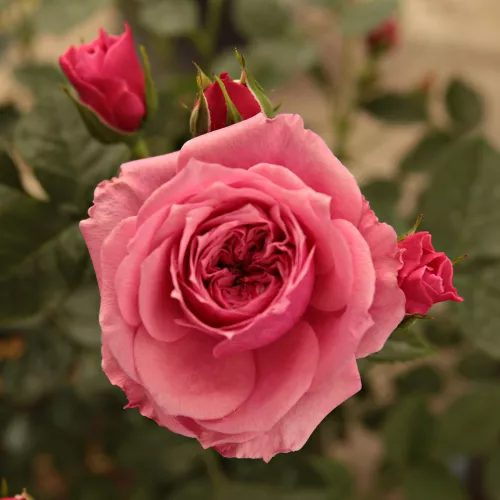
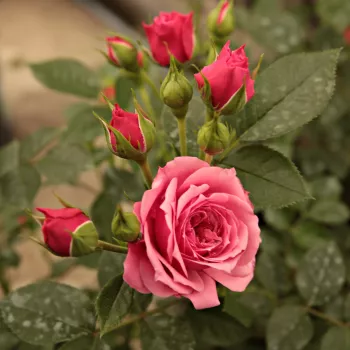
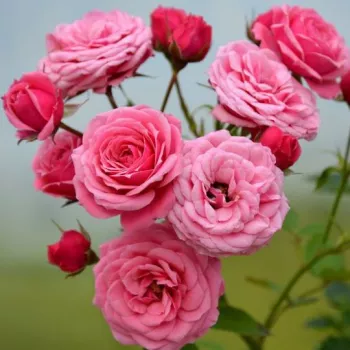
Imagine stepping onto your coastal veranda after a blustery walk, sheltered by a low rose that stays neat, colourful and easy to manage even when the breeze whips in from the sea and the soil needs good drainage and secure anchoring; PINK BABYFLOR® brings clusters of mid-pink rosette blooms on a naturally compact plant that fits perfectly into shingle beds, narrow borders or generous containers, rewarding you with repeat flowering from early summer well into autumn. Its dense foliage forms a soft, green cushion that hides bare ground, while the good self-cleaning habit means most spent flowers drop away by themselves, keeping the plant looking tidy with minimal effort. As an own-root rose it offers reassuring stability over time, regenerating well from the base and avoiding the graft-related problems that can trouble standard roses, so you can look forward to a long-lived display. Start it in a roomy 40–50 litre pot or a sunny border, where its reliable repeat flushes shine against sea-kale, grasses or lavender, then simply water during longer dry spells and enjoy the calm rhythm of a rose that asks for little but gives a lot. Over the first three years it quietly builds its future: year one establishing roots, year two filling out its structure, and by year three showing its full ornamental impact in your family garden retreat, a truly effortless choice for beginners and busy coastal-style lovers.
Usage options
| Target area |
Reasoning |
| Small coastal front garden border |
The naturally compact habit and dense structure keep plants low and stable, ideal beside paths where wind can be lively and space is limited; its self-supporting form copes well where drainage and anchoring matter for coastal homeowners, making it reassuring for beginners. |
| Shingle or gravel planting strip |
Repeat clusters of soft pink flowers sit neatly above gravel, softening hard edges without overwhelming tight spaces; the good self-cleaning habit reduces deadheading, so the area stays presentable with minimal upkeep for busy urban gardeners. |
| Large container on a sunny veranda |
Its compact root system and moderate height suit 40–50 litre tubs, where it forms a tidy, rounded structure that does not outgrow the pot; own-root stability and gradual impact over the first three years give reliable long-term value for homeowners. |
| Low flowering hedge along a seating area |
Regular repeat blooming and dense foliage create a soft pink ribbon that defines spaces without blocking views; the good self-cleaning performance helps the hedge stay neat, ideal near outdoor tables for tea-lovers. |
| Mixed cottage-style border in family gardens |
The compact structure slips easily between perennials like catmint, lady’s mantle or lamb’s ear, adding season-long pink colour without shading neighbours; own-root resilience means the planting matures gracefully for hobby gardeners. |
| Children’s play-adjacent planting pocket |
A low, rounded habit with dense foliage offers visual interest at child height while staying manageable; moderate prickliness and unscented blooms keep maintenance predictable and simple for young families. |
| Urban front step or balcony display |
Reliable repeat flowering and a small footprint make it perfect where every centimetre counts, giving a welcoming splash of colour through the season; medium maintenance needs are easily met by time-poor residents. |
| Groundcover accents in public or communal beds |
The combination of compact growth, dense foliage and self-cleaning flowers helps cover soil and suppress weeds with limited ongoing work, providing durable, tidy colour patches that suit shared spaces managed by community volunteers. |
Styling ideas
- Seaside-cottage ribbon – line a gravel path with repeating PINK BABYFLOR® and blue Nepeta for a breezy, low hedge effect – ideal for relaxed coastal-style homeowners.
- Veranda centrepiece – plant one shrub in a 50 litre clay pot with trailing thyme around the rim – perfect for tea-drinkers who want easy colour by the door.
- Pastel groundcover – weave groups through lady’s mantle and low grasses to create a soft pink-and-lime carpet – suited to beginners seeking gentle structure.
- Family-front border – mix with lamb’s ear and dwarf lavender for a touchable, child-friendly edge planting – good for young families wanting low, tidy flowers.
- Urban welcome strip – repeat along a narrow front-garden bed, underplanted with spring bulbs, for year-round interest – attractive to busy residents with limited time.
Technical cultivar profile
| Parameter |
Data |
| Name and registration |
Miniature rose from the Babyflor® collection; registered as TANyrolf and marketed as PINK BABYFLOR®, a compact exhibition miniature with very double pink blooms. |
| Origin and breeding |
Bred by Hans Jürgen Evers for Rosen Tantau, Germany, with introduction and registration in 1993; parentage not recorded but selected for compact habit and abundant flowering. |
| Growth and structural characteristics |
Compact, bushy shrub reaching about 50–70 cm tall and 40–60 cm wide, with dense, fresh green, slightly glossy foliage and moderate prickles on shoots. |
| Flower morphology |
Very double, rosette-shaped miniature blooms, typically 0.5–1.5 inches across, carried in clusters of 6–15 per stem, repeating strongly through the season with good self-cleaning. |
| Colour data and phenology |
Pure mid-pink (RHS 65C outer, 63B inner) that softens gently to pastel tones; colour holds well, fading a little faster only in strong sun, with uniform pink at full bloom. |
| Fragrance and aroma |
No noticeable scent; flowers rated as unscented, offering visual impact without adding fragrance, and with partially pollinator-friendly value despite the very double form. |
| Hip characteristics |
Forms small, spherical red hips about 5–7 mm across in modest numbers, adding discreet late-season interest without significantly affecting the main flowering display. |
| Resistance and winter hardiness |
Hardy to approximately −21 to −18 °C (RHS H7, USDA 6b); disease resistance is medium for common rose problems, benefiting from standard preventive care and balanced watering. |
| Horticultural recommendations |
Best in full sun with well-drained soil; spacing 30–55 cm depending on use, 8–10 plants/m² for mass planting; suitable for beds, borders, low hedges, groundcover and 40–50 litre containers. |
PINK BABYFLOR® offers compact form, repeat colour and self-cleaning blooms in a long-lived own-root rose, an elegant option if you favour lasting, easy-care structure and gentle pink detail.