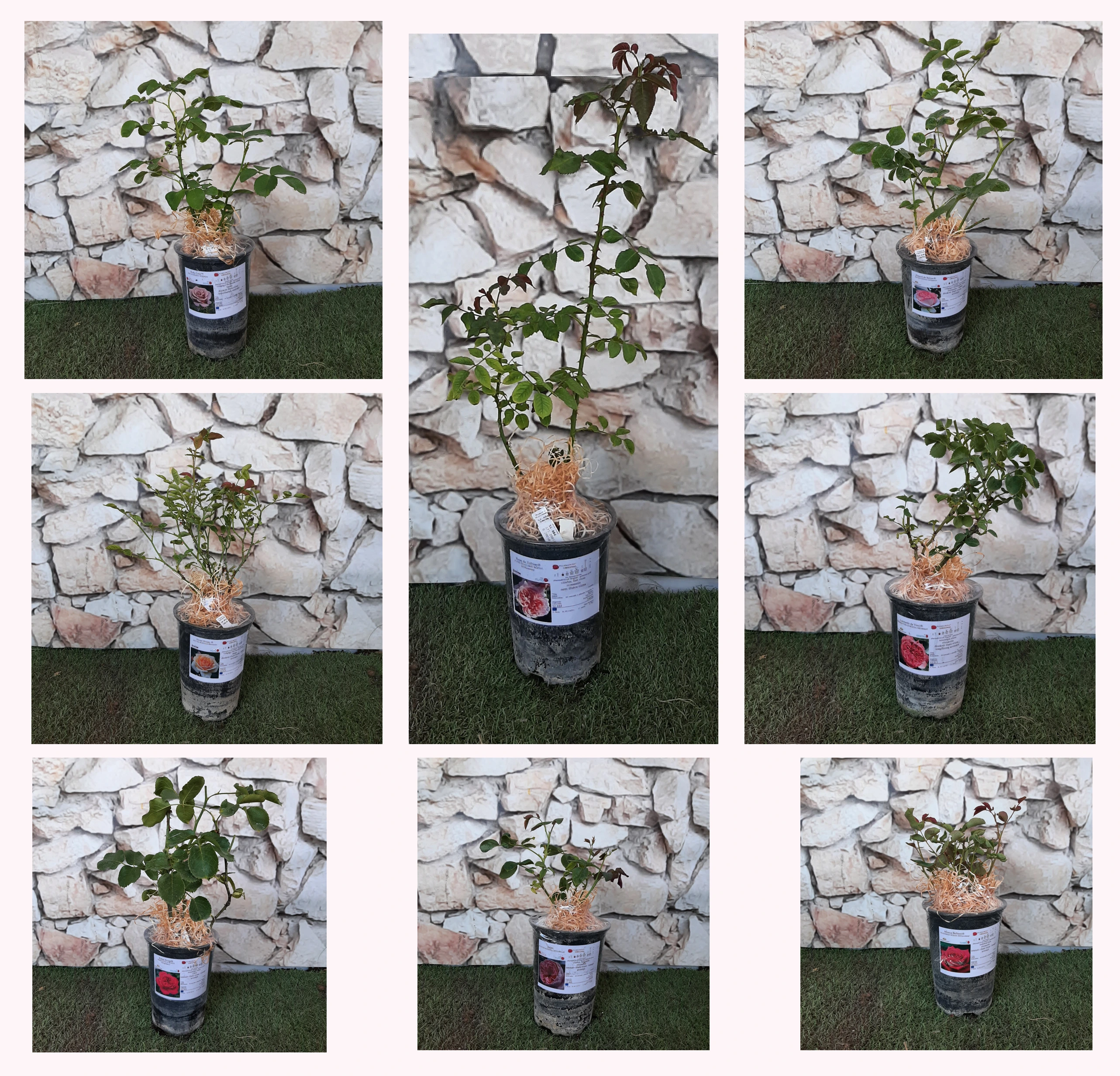
PINK ELIZABETH ARDEN – pale pink bedding floribunda rose – Tantau
Imagine stepping onto your coastal veranda to soft, pastel-pink clusters moving gently in the breeze – this compact floribunda is all about calm refreshment, giving you a quietly elegant backdrop for tea after a blustery walk. Its upright habit and dense foliage provide a surprising sense of shelter, naturally helping with windbreaks along exposed Cornish and Devon-style plots while still fitting neatly into small family gardens. As an own-root rose it offers long-term stability, regrowing reliably from the base and maintaining its ornamental value over many seasons with minimal fuss. Plant it once and let it settle: roots first, then stronger shoots, then full garden presence by year three – a gentle, predictable development arc ideal for busy homeowners. It repeats well through the season, so a light touch with deadheading rewards you with generous flowering waves of shell-like blooms from early summer well into autumn. In well-prepared soil with decent drainage it anchors firmly, coping far better with typical British coastal weather than its delicate look suggests. Its semi-double, open-centred flowers welcome bees on calmer days, adding subtle wildlife interest without turning your veranda into a maintenance project. Whether in beds, low hedges or a spacious 40–50 litre pot, this is a rose for straightforward, long-lived gardens where you want beauty without constant work.
Usage options
| Target area |
Reasoning |
| Small coastal front garden bed |
The compact, upright habit (80–120 cm) forms a neat, visually soothing mass of shell-pink flowers that reads well from the street without overwhelming a modest plot. Dense, dark green foliage helps mark the boundary in breezy, exposed streets while still feeling light and informal for a seaside setting, especially for beginners. |
| Low, informal hedge along a veranda |
Planted at 35 cm centres, PINK ELIZABETH ARDEN knits into a low, semi-transparent hedge that softens edges without blocking light. The repeated flushes of pastel flowers keep the boundary looking tended even if you only prune once a year, providing a gentle sense of enclosure for relaxed outdoor seating, appealing to homeowners. |
| Feature group in a coastal-style mixed border |
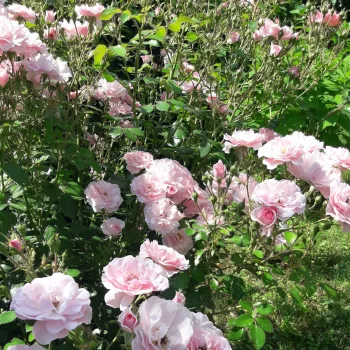
Used in groups at 40 cm spacing, the even height and floribunda habit give a consistent, cloud-like effect of pale pink that partners beautifully with sea kale, Festuca and lavender. This makes it easy to create that shingle, salt-tolerant look with minimal design effort, which suits time-pressed gardeners. |
| Large container on a sheltered balcony or veranda |
In a 40–50 litre pot with free-draining compost, this own-root rose establishes a strong root system and stays compact enough for balconies. Moderate maintenance needs and tidy, self-cleaning blooms mean you can enjoy a long flowering season with just watering and an occasional feed, ideal for busy city-dwellers. |
| Family garden seating nook or windward corner |
The upright, leafy structure and repeated flowering make a soft visual screen around benches or small seating areas, taking the edge off coastal breezes without feeling like a hard barrier. This subtly echoes natural seaside shelter belts and works well for relaxed families. |
| Cut-flower corner for casual home arrangements |
The clustered sprays of medium-sized, semi-double blooms are perfect for cutting a few stems at a time for jugs and small vases. Regular cutting encourages more flowers and keeps the plant looking fresh, making it a rewarding yet undemanding project for enthusiastic hobbyists. |
| Pollinator-friendly planting strip near paths |
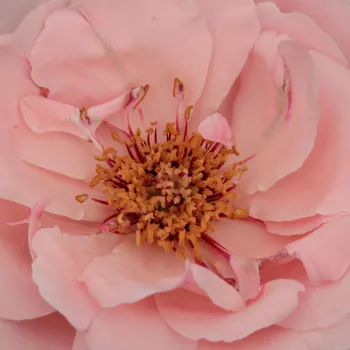
Semi-double, open-centred flowers with accessible stamens offer nectar and pollen on calmer days, so bees and hoverflies can work along the path while you enjoy their movement and the gently shifting colour from pastel pink to porcelain cream, which appeals to nature-minded visitors. |
| Long-term structure in a low-maintenance coastal scheme |
As an own-root, ADR-rated rose, PINK ELIZABETH ARDEN offers reassuring long-term reliability, with the plant building roots in year one, fuller growth in year two, and its best floral display by year three, all while handling typical British coastal wind and rain confidently for practical-minded planners. |
Styling ideas
- Shell-pink shingle bed – Mass-plant in a gravelled front bed with sea kale and blue Festuca for an instant seaside look that needs little fuss – for coastal-style lovers.
- Veranda tea hedge – Line a deck or veranda edge at 35 cm spacing, underplant with low lavender for scent and soft movement – for homeowners seeking calm outdoor rooms.
- Pastel patio pot – One plant in a 40–50 litre clay pot with trailing thyme gives long-season colour beside a sunny door – for busy beginners.
- Soft screening trio – Plant three in a loose triangle near a bench, infilling with Russian sage to create an airy, wind-softening backdrop – for families wanting a sheltered corner.
- Cottage-cut corner – Mix with guelder rose and boxwood in a small cutting patch, combining structure, blossom and reliable sprays for vases – for hobby gardeners.
Technical cultivar profile
| Property |
Data |
| Name and registration |
Floribunda bedding rose; registered as TANtenom, introduced 1966 by Rosen Tantau. Currently marketed as PINK ELIZABETH ARDEN; also known in shows as Geisha in the exhibition floribunda spray category. |
| Origin and breeding |
Bred by Mathias Tantau Jr. in Uetersen, Germany, around 1964, with parentage not recorded. Introduced by Rosen Tantau in Europe and by Roy H. Rumsey Pty. Ltd. in Australia soon afterwards. |
| Awards and recognition |
Holds ADR-Sorte classification in Germany from 1965, indicating recognised garden performance, and gained first place at the Tualatin Valley Rose Society Show (USA, 1998) in floribunda spray class. |
| Growth and structural characteristics |
Upright, bushy shrub to about 80–120 cm tall and 50–70 cm wide with dense, slightly glossy dark green foliage and moderate prickliness; forms a compact, well-branched plant suited to beds and low hedges. |
| Flower morphology |
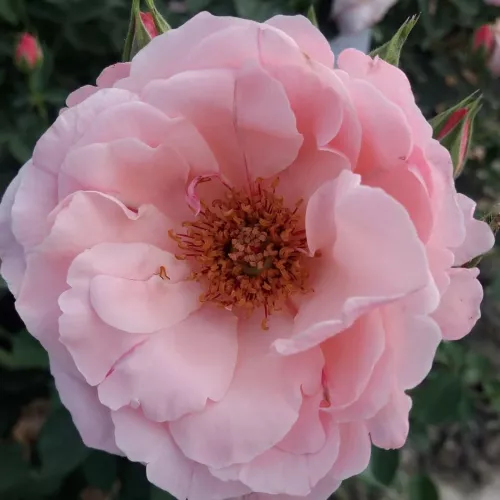
Semi-double, cup-shaped blooms with 13–25 petals, borne in clusters of three to five per stem. Medium-sized flowers provide a refined yet light appearance and repeat well through the season with a generous second flush. |
| Colour data and phenology |
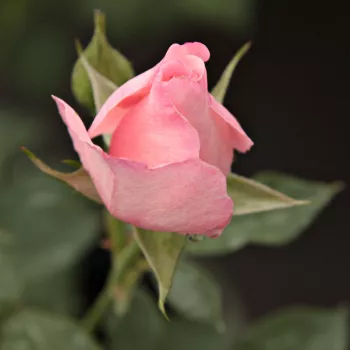
Pastel pale pink (RHS 65C outer, 65D inner) on opening, with a soft silk sheen; gradually fades to creamy, very pale pink with almost white margins before petals drop, giving a porcelain effect over the blooming cycle. |
| Fragrance and aroma |
Very light rosy fragrance, generally perceived as weak and barely noticeable in the garden. Best chosen for visual effect and mood rather than scent-driven planting schemes or fragrance-focused collections. |
| Hip characteristics |
Produces moderate quantities of small, ellipsoid red hips around 8–12 mm across, adding a discrete seasonal accent in late season but not intended as a primary ornamental feature or wildlife crop. |
| Resistance and winter hardiness |
Rated to about −21 to −18 °C (USDA 6b, RHS H7), with medium resistance to black spot, powdery mildew and rust; benefits from good air movement, sensible watering and occasional preventive care in damp seasons. |
| Horticultural recommendations |
Best in full sun with well-drained soil; recommended spacing 40 cm for mass planting, 35 cm for hedging, 65 cm for specimens, with planting densities between about 5.7 and 6.6 plants per square metre as design requires. |
PINK ELIZABETH ARDEN offers compact, repeat-flowering pastel beauty, gentle screening structure and own-root durability, making it a thoughtful choice for relaxed, low-effort coastal and family gardens.