PINK GROOTENDORST – pink park rose - Grootendorst
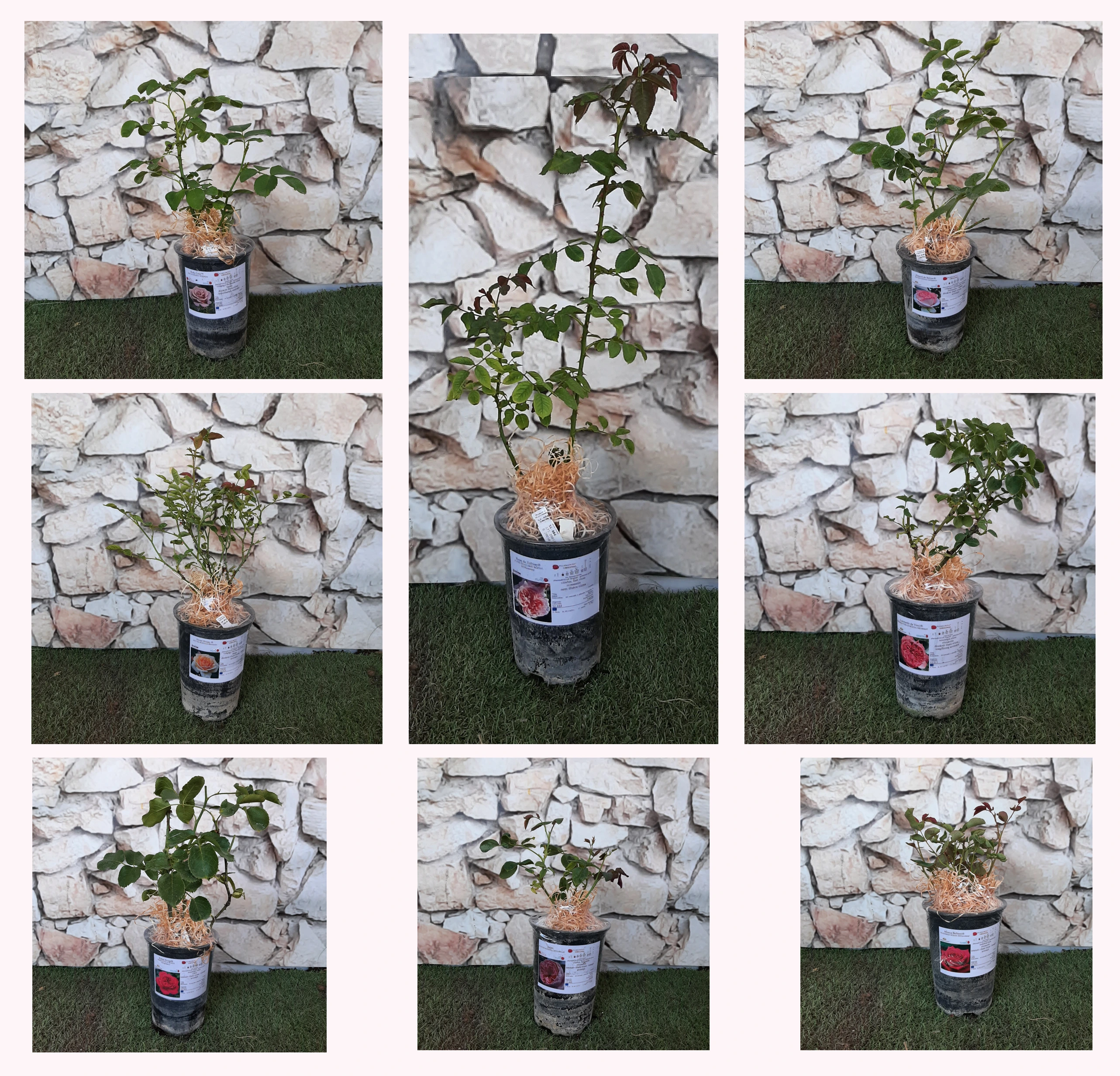
Imagine coming home from the Cornish coast to a sheltered corner where your roses offer gentle refreshment after salt-laden winds, their dense hedge of mid-green foliage and frilled pink blooms giving instant privacy and calm. Pink Grootendorst is a resilient hybrid rugosa shrub that copes gracefully with breezy, exposed gardens, quietly managing windbreak duties while still fitting neatly into a family-sized plot. Its bushy, well-anchored root system helps it stand firm in rain-swept weather and reliably pushes out clusters of pompon flowers from early summer onwards. As an own-root shrub it settles in steadily – with roots establishing in year one, top growth building in year two and full ornamental value unfolding by year three – giving you enduring structure, low-fuss maintenance, long-season flowering and dependable hardiness for many seasons of relaxed coastal-style gardening.
Usage options
| Target area | Reasoning |
|---|
| Coastal veranda windbreak |
The bushy, dense habit and vigorous rugosa background make Pink Grootendorst a practical living screen for breezier verandas, providing movement without looking wind-battered, naturally echoing coastal shelter where plants stand firm through salt-tinged gusts even in frequent rain and wind. A calm choice for beginners. |
| Low-maintenance family hedge |
Once established, this shrub forms a thick, mid-height hedge with moderate maintenance needs, mainly occasional pruning and optional deadheading. It gives a long flowering season, reliable cover for children’s play areas and good resilience, so day-to-day care stays manageable for busy-owners. |
| Long-season flower bed backbone |
Abundant clusters of small, frilled pompon blooms appear in flushes, with a strong second flowering, so borders keep their colour well beyond early summer. Medium self-cleaning means you can leave some spent clusters without losing overall neatness, suiting relaxed gardeners. |
| Own-root, long-lived specimen shrub |
As an own-root shrub, Pink Grootendorst builds a stable framework that can regenerate from the base if accidentally damaged, supporting a long lifespan and dependable shape. This practical security reassures homeowners. |
| Clay-tolerant, well-drained planting strip |
Hybrid rugosa heritage brings strong, fibrous roots that establish well where clay soils are improved for drainage, helping the shrub anchor securely and cope with variable moisture in typical UK family gardens. This gives confidence to novices. |
| Urban front garden screen |
The compact 120–180 cm height and 100–150 cm spread make a tidy, space-efficient screen along railings or low fences without overwhelming the pavement, providing privacy and a welcoming display of pink for passers-by, ideal for style-conscious city-dwellers. |
| Heat- and cold-resilient planting |
Rated to very low winter temperatures and tolerant of heat and moderate drought once established, this shrub copes with weather swings from cold snaps to hot spells, extending reliability across many UK regions for climate-aware gardeners. |
| Large container on sheltered terrace |
In a 40–50 litre or larger container, Pink Grootendorst becomes a sturdy patio feature, with its moderate height and dense foliage lending structure and summer colour to small terraces, suiting those refining compact outdoor rooms, especially balcony-owners. |
Styling ideas
- Shingle-Hedge – line a shingle path near the house with a loose hedge of Pink Grootendorst, spacing plants to allow drift between them – for coastal-style families wanting a soft, wind-tolerant boundary.
- Veranda-Nook – place one shrub in a generous container behind low seating, pairing it with sea kale and blue Festuca for a relaxed beach-veranda feel – for tea-drinkers craving a sheltered reading corner.
- Clay-Border – work in grit and compost, then use Pink Grootendorst as the mid-height anchor, underplanting with Lavandula and Vinca for season-long texture – for homeowners improving heavy-soil beds.
- Urban-Screen – repeat shrubs along a short front fence, underplanting with low grasses for movement and a tidy pavement edge – for city gardeners seeking privacy without losing kerb appeal.
- Rugosa-Mixed – blend Pink Grootendorst with other shrub roses and airy perennials in a loose hedge, letting hips develop for autumn colour – for nature-positive gardeners favouring informal structure.
Technical cultivar profile
| Attribute | Data |
|---|
| Name and registration |
Pink Grootendorst, a shrub rose in the Park – shrub rose group, commercial type park rose, unregistered cultivar used under the established trade and exhibition name Pink Grootendorst. |
| Origin and breeding |
Sport of ‘F.J. Grootendorst’ (Rosa rugosa rubra × ‘Madame Norbert Levavasseur’), bred by F. J. Grootendorst & Sons Nursery in Boskoop, Netherlands and introduced in 1923 via Hazlewood Bros. Pty. Ltd. |
| Awards and recognition |
Holds the Royal Horticultural Society Award of Garden Merit (1993), indicating reliable garden performance, decorative value and sound growth under typical UK conditions with no exceptional specialist care. |
| Growth and structural characteristics |
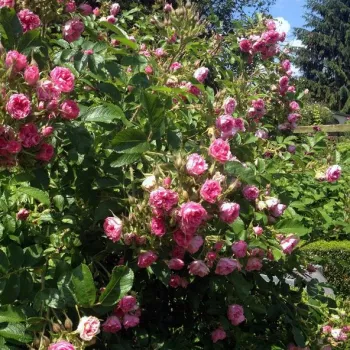
Bushy hybrid rugosa shrub, 120–180 cm high and 100–150 cm wide, densely thorned with mid-green, slightly glossy, dense foliage forming a solid, structural plant in hedges, beds and mixed plantings. |
| Flower morphology |
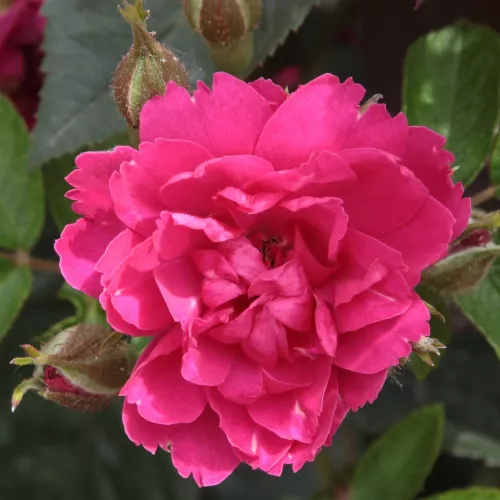
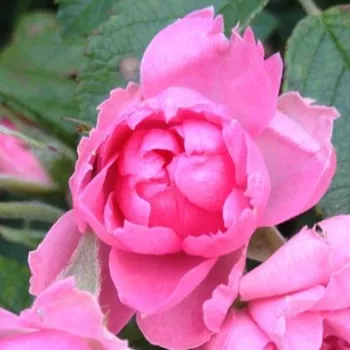
Medium-sized, double, spherical pompon flowers with 26–30 petals, freely borne in clusters. Remontant habit with abundant second flush of blooms, maintaining decorative effect across much of the season. |
| Colour data and phenology |
Mid-toned saturated pink flowers, ARS mp, RHS 62C outer and 62D inner. Colour may fade slightly in strong sun, edges paling to pastel pink while centres remain medium pink, giving a softly blended effect. |
| Fragrance and aroma |
Fragrance very weak and barely perceptible, chosen primarily for visual effect and structural qualities rather than scent, suiting locations where colour and robustness are more important than perfume. |
| Hip characteristics |
Forms moderate numbers of spherical orange-red hips, 14–23 mm across, contributing additional late-season interest and extending ornamental value into autumn if spent flowers are left untrimmed. |
| Resistance and winter hardiness |
Good heat and moderate drought tolerance once established. Disease resistance medium to powdery mildew, black spot and rust. Very hardy, to approximately −37 to −34 °C, RHS H7, USDA Zone 3b, Swedish Zone 6. |
| Horticultural recommendations |
Suitable for hedges, parks, flower beds, specimen and urban planting at 110–180 cm spacing. Prefers well-drained soil, tolerates partial shade, moderate maintenance including occasional pest control and pruning. |
PINK GROOTENDORST offers durable structure, long-season flowering and impressive hardiness in an own-root form that settles in reliably over time; a thoughtful choice if you value robust beauty with modest maintenance.