Pink Paradise – hybrid tea rose for coastal-inspired family gardens
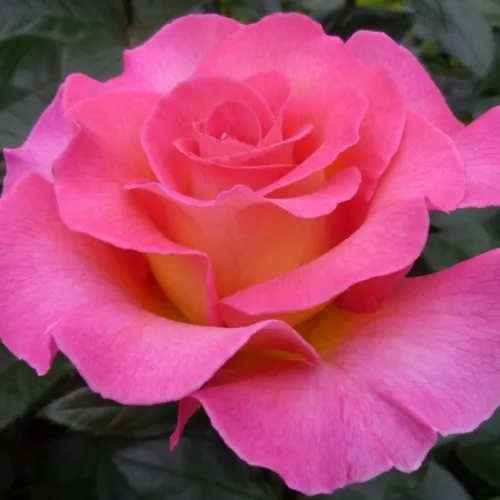
With its large, high‑centred blooms and strong perfume, Pink Paradise brings a touch of Riviera glamour to small UK gardens while staying reassuringly straightforward to look after. This hybrid tea from Delbard is bred for reliable flowering and low‑input maintenance, so you can enjoy its long‑lasting, sweet‑spicy fragrance rather than worrying about complex care routines. Its compact, upright habit sits neatly into shingle beds, narrow borders or a 40–50 litre terrace container, where glossy, dark foliage stands up well to coastal breezes and summer showers by providing secure anchoring and steady growth even in exposed, changeable weather. Own‑root vitality supports a long garden life, regenerating well after winter or pruning, while excellent disease resistance reduces the need for spraying. Ideal near a seating area or veranda, its award‑winning fragrance and classic hybrid‑tea blooms quickly become a focus of evening relaxation, as the plant settles in over the first seasons and gradually builds to full impact.
Usage options
| Target area |
Reasoning |
| Coastal veranda in large containers |
Pink Paradise’s compact, upright growth makes it easy to manage in a 40–50 litre pot, where its strong, sweet‑spicy fragrance can be appreciated at close quarters beside seating or a kitchen door – perfect for beginners |
| Small front garden focal point |
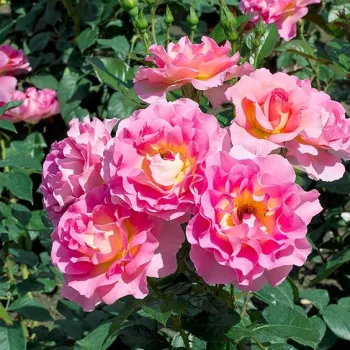
The high‑centred hybrid tea blooms appear repeatedly through the season, giving a “florist’s rose” look in a modest space, while the plant’s neat outline leaves room for low grasses or lavender edging – ideal for the busy homeowner |
| Low‑maintenance family flower bed |
High‑level resistance to black spot, mildew and rust keeps foliage attractive with minimal spraying, so borders stay smart even in wetter summers and after family use, with simple pruning once a year – suited to the time‑pressed gardener |
| Salt‑tolerant shingle or gravel strip |
Its sturdy framework and dense leaves cope well in breezier, exposed sites where shingle or gravel helps drainage, allowing the plant to root steadily and stay upright despite variable coastal winds and rain – reassuring for coastal garden owners |
| Cut‑flower corner by the back door |
Long‑stemmed, large hybrid tea blooms with excellent vase life and a strong perfume make Pink Paradise a natural choice for home cutting, producing repeat flushes for jugs and vases indoors – rewarding for the home flower lover |
| Own‑root long‑term specimen |
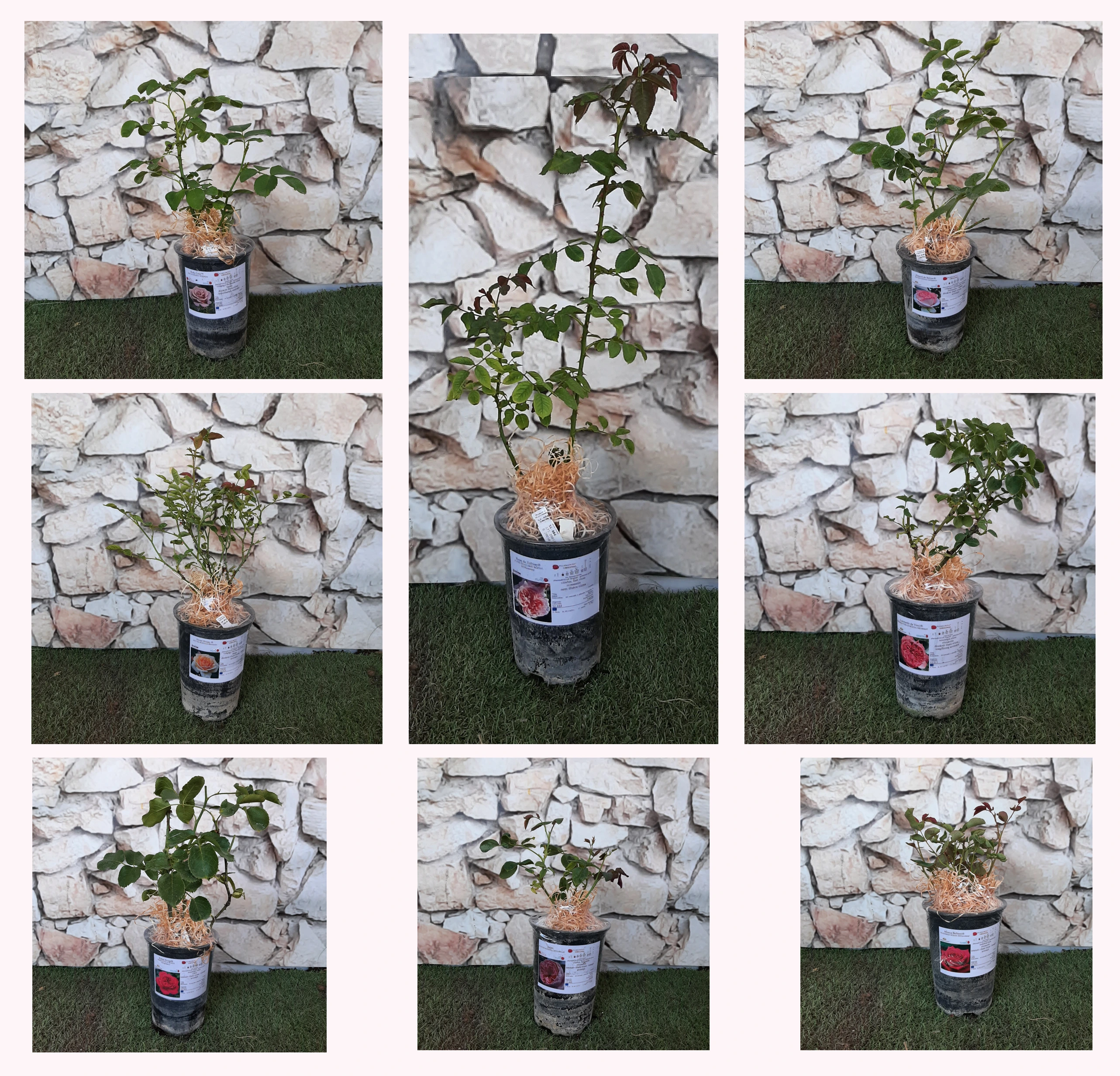
Delivered as an own‑root plant, it builds a durable framework rather than relying on grafts, helping it recover from winter, pruning or minor damage and extending its useful garden life with steady, predictable growth – reassuring for the long‑view planner |
| Gradually maturing family rose corner |
After planting, roots establish in the first year, strong new shoots follow in the second, and by the third season the bush typically reaches its full ornamental value of dense foliage and abundant flowers – ideal for the patient improver |
| Climate‑resilient mixed border |
Its robust structure, glossy leaves and sound disease resistance help it stay attractive through unsettled weather, from cool springs to wet summer spells with gusty winds and showers, maintaining presence with limited intervention – helpful for the low‑input gardener |
Styling ideas
- Seaside-Veranda Duo – position Pink Paradise in a 40–50 litre tub with blue Festuca and a pale wood bench to echo Cornish beach tones – ideal for coastal‑style balcony owners
- Girly-Shingle Bed – combine its pink blooms with sea kale, creeping thyme and pale gravel for a soft, feminine coastal look – suited to family gardens wanting low‑maintenance charm
- Tea-and-Roses Corner – plant near a sheltered seating nook, underplanted with dwarf Heuchera, so you can enjoy close‑up fragrance on breezy afternoons – perfect for veranda tea drinkers
- Cutting-Row Accent – line a sunny path with spaced plants for easy stem access and companion them with lavender for extra scent – for home florists who like simple structure
- Glossy-Green Backdrop – use its dense, dark foliage behind silver grasses and pale sedums to frame a compact lawn or play area – ideal for busy families wanting order with little effort
Technical cultivar profile
| Property |
Data |
| Name and registration |
Hybrid tea rose, registered as DELfluros and marketed as Pink Paradise in the Grands Parfums collection; also known on the show bench under the exhibition name Julie Andrews. |
| Origin and breeding |
Bred by Georges Delbard in France around 2004, introduced internationally in 2011 by Delbard and partners in Europe, the USA and South Africa as a premium, strongly scented hybrid tea garden rose. |
| Awards and recognition |
Gold medals at Baden‑Baden and Geneva 2010, silver at Barcelona 2010, “Plus belle rose de France” Lyon 2011, ADR certification 2011 and UK Gold Standard award 2012 for garden performance. |
| Growth and structural characteristics |
Compact, upright bush 80–100 cm high and 50–70 cm wide, with dense, glossy dark green foliage and moderate prickles; generally tidy but some spent blooms may need removal to maintain appearance. |
| Flower morphology |
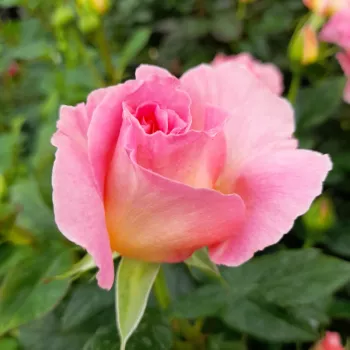
Large, double, high‑centred hybrid tea blooms with 26–39 petals, usually borne singly on strong stems, remontant with particularly abundant second flush, well suited for both beds and cutting. |
| Colour data and phenology |
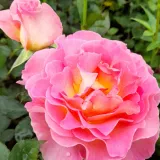
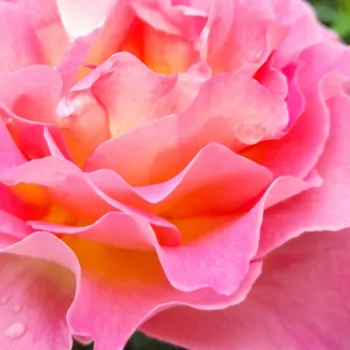
Vivid fuchsia‑pink petals with a golden‑yellow base, opening to medium then pastel pink as the base turns creamy; outer petals RHS 68C, inner 12B, giving a luminous, multi‑tonal effect over time. |
| Fragrance and aroma |
Strong, long‑lasting perfume with a sweet, spicy character typical of the Grands Parfums collection; scented blooms are noticeable both in the garden and when cut for indoor arrangements. |
| Hip characteristics |
Due to very double flowers, hips are few; occasional small, spherical bright red fruits 10–14 mm may form, adding a discreet autumn accent without significantly affecting flowering performance. |
| Resistance and winter hardiness |
Hardy to approximately −21 to −18 °C (RHS H7, USDA 6b), with documented resistance to powdery mildew, black spot and rust; tolerates summer heat but prefers regular watering in dry periods. |
| Horticultural recommendations |
Best in full sun with well‑drained soil; for beds plant 60 cm apart or 50 cm for hedges; water consistently in warm spells and deadhead spent blooms to support repeat flowering and tidy form. |
Pink Paradise offers award-winning fragrance, compact repeat flowering and dependable own-root longevity, making it a cultured yet easy-going choice for coastal-inspired family gardens and relaxed terraces.