PRIDE OF ENGLAND – red hybrid tea rose – Harkness
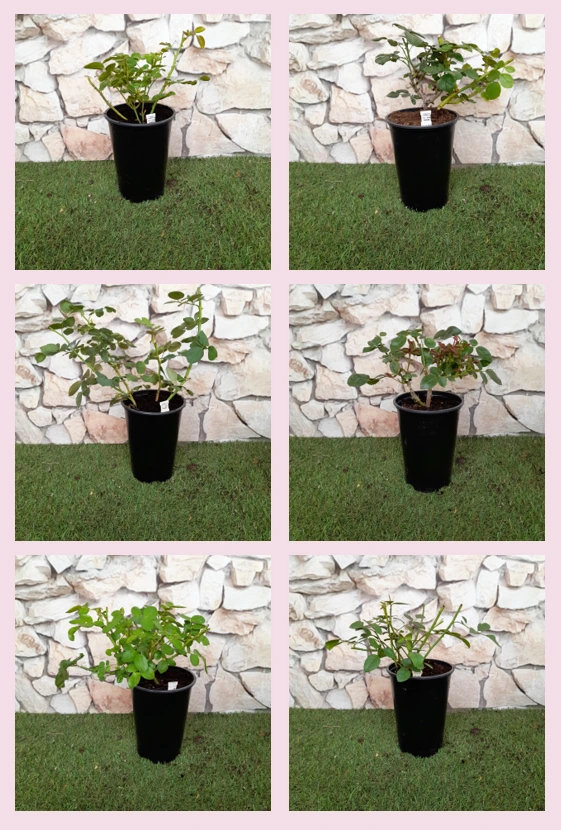
Imagine sitting by the sea after a windswept walk, cup of tea in hand, as this elegant hybrid tea rose brings a calm, refreshing note to your coastal-style garden. PRIDE OF ENGLAND forms an upright, tidy bush with dense, dark foliage and large, high-centred blooms, ideal where you need structure that stands steady in windswept gardens near the coast while careful planting ensures reliable drainage in heavy clay soils. Its velvety red flowers repeat with generous, remontant flushes, offering a long season of colour from a relatively compact footprint that suits small family plots and sheltered verandas alike. Light, subtle fragrance adds a gentle layer of atmosphere without overwhelming outdoor seating areas, and the long-stemmed blooms are perfectly shaped for cutting to bring indoors. As an own-root rose, it builds strength gradually—firmly establishing roots in year one, pushing bolder shoots in year two, and reaching full ornamental longevity and impact by its third summer.
Usage options
| Target area | Reasoning |
|---|
| Coastal veranda in large containers |
Its upright habit and dense foliage make PRIDE OF ENGLAND well suited to big containers that frame a sheltered seating area; plant into at least a 40–50 litre pot so the root system anchors well and growth stays balanced for busy verandah relaxers and beginners. |
| Small family garden focal point |
The tall, high‑centred blooms draw the eye without taking up much ground space, so you can create a strong focal point in an average garden and still leave room for children’s play or other planting, ideal for style‑conscious homeowners. |
| Border with coastal-style perennials |
Planted among low Heuchera and drought‑tolerant Sedum, this rose supplies vertical structure and repeated red accents while companions soften the base and help manage soil moisture, appealing to relaxed, seaside‑inspired gardeners. |
| Cut-flower corner near the house |
Long, straight stems and exhibition‑type, high‑centred flowers lend themselves to vases and indoor arrangements, so a small group near the back door easily doubles as a productive cutting patch for busy flower‑loving families. |
| Sheltered windbreak planting |
Used in a loose row, its moderately thorny, leafy stems create a light wind filter around patios or play areas, taking advantage of its ability to stand steady in breezy, salt‑kissed gardens while careful planting ensures reliable drainage in heavy clay conditions for coastal‑style owners. |
| Part-shade side passage or courtyard |
This variety tolerates partial shade, maintaining colour and form where full sun is limited, such as between houses or in narrow side gardens, allowing attractive planting even in constrained spaces for urban‑based residents. |
| Low-maintenance specimen in mixed bed |
Moderate care needs and own‑root resilience mean that, once established, seasonal pruning and occasional deadheading are usually enough to keep the plant floriferous and tidy, suiting time‑pressed hobby gardeners. |
| Wildlife-accented family border |
While the double flowers offer limited nectar, the modest crop of orange‑red hips adds autumn interest and a small food source for visiting birds, blending ornamental value with gentle wildlife support for nature‑minded beginners. |
Styling ideas
- Veranda elegance – Place a single rose in a 50‑litre clay pot with blue Festuca and white sea shells as mulch to echo a Cornish balcony – for coastal‑style veranda owners.
- Ruby border – Combine with Heuchera and silver‑leaved lavender for a soft, windy‑day border that flowers over a long season – for relaxed family gardeners.
- Cutting strip – Plant a short row along a path, underplanted with chives, to supply fragrant stems for the vase – for home florists and busy hosts.
- Compact showcase – Use one specimen in a small front garden bed, edged with low Sedum, to provide structure without overwhelming the space – for urban homeowners.
- Seaside nook – Group two or three plants near a suntrap seating area, mixing in ornamental grasses to sway in the breeze – for those seeking a quiet coastal retreat feel.
Technical cultivar profile
| Parameter | Data |
|---|
| Name and registration |
Hybrid tea rose, registered as HARencore, marketed as PRIDE OF ENGLAND in the Harkness Masterpiece Collection; ARS exhibition name PRIDE OF ENGLAND for show and cut‑flower use. |
| Origin and breeding |
Bred by Richard Harkness, R. Harkness & Co. Ltd., United Kingdom; parentage not disclosed; bred 1997, registered and introduced 1998 by the same nursery for garden and exhibition planting. |
| Awards and recognition |
Highly regarded in European trials: Belfast Rose Trials 2000 Gold Medal and Best Hybrid Tea, Orléans Certificate of Merit 2000, plus multiple distinctions at The Hague Rose Trials around 2000. |
| Growth and structural characteristics |
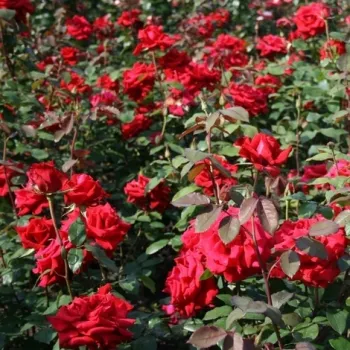
Upright, bushy habit 100–130 cm high and 55–75 cm wide, with dense dark green, slightly glossy foliage and moderate prickles; forms a well‑structured, medium‑sized shrub for beds and containers. |
| Flower morphology |
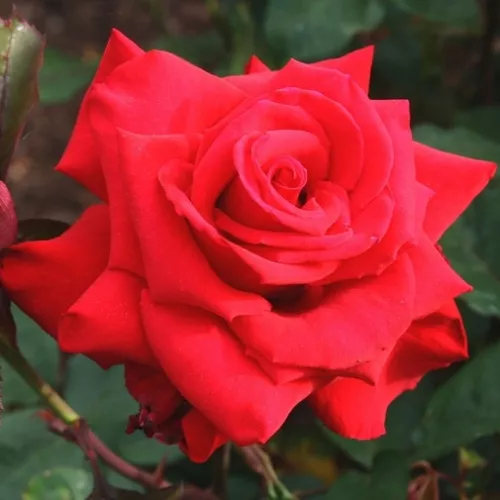
Large, double, high‑centred blooms with 26–39 petals, solitary on stems; classic exhibition hybrid tea form with pointed buds and an abundant second flush, ideal for cutting and formal planting. |
| Colour data and phenology |
Velvety deep red flowers with ruby to fiery tones when opening; colour holds well, softening gradually to cherry red; moderate fading only in strong sun, giving a warm, stable display over the season. |
| Fragrance and aroma |
Light, delicately floral scent that adds refinement without overpowering seating areas or indoor arrangements; fragrance noticeable at close range, especially on still, warm days in sheltered gardens. |
| Hip characteristics |
Produces small, spherical orange‑red hips 10–15 mm across in moderate numbers, adding subtle late‑season interest and a minor food source for birds in mixed borders. |
| Resistance and winter hardiness |
Hardy to about −21 to −18 °C (RHS H7, USDA 6b, Swedish zone 3); moderate disease resistance, with occasional black spot, mildew or rust in damp seasons, especially without regular hygiene. |
| Horticultural recommendations |
Suited to borders, containers, hedging and specimen use; plant 40–70 cm apart, water well in dry spells, and deadhead for repeat flowering; own‑root plants recover strongly from pruning or weather damage. |
PRIDE OF ENGLAND offers compact structure, repeat flowering and graceful cut blooms on a resilient own-root plant that matures steadily, making it a thoughtful choice for relaxed yet polished family gardens.