PRINCESSE DE MONACO ® – white-pink hybrid tea rose - Meilland
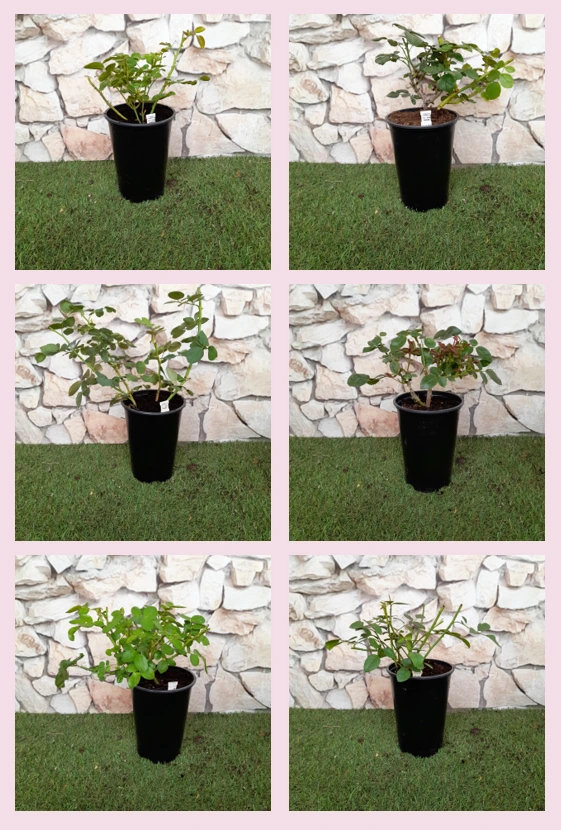
Imagine leaning back with afternoon tea on your coastal veranda as waves roll in and this elegant rose lifts the space with creamy white blooms washed in soft pink, forming a gentle screen that calms the breeze and shrugs off brisk coastal winds while you enjoy its long season of XL, exhibition-quality flowers. In ordinary family gardens it feels naturally at home, thriving in well-drained, improved clay and rewarding simple, regular watering with reliable flushes from summer into autumn. The own-root plant establishes steadily for a long-lived presence, with Year 1 focused on roots, Year 2 on shaping shoots, and Year 3 delivering full ornamental impact. Perfect for smaller spaces, it carries its blooms on upright, sturdy stems that invite you to cut a few for the house without spoiling the show outdoors, creating a sense of light-filled calm and refined colour in even compact planting schemes, especially when grown in a 40–50 litre container for secure anchorage on exposed patios or balconies.
Usage options
| Target area | Reasoning |
|---|
| Coastal veranda in Cornwall or Devon |
Works well in a roomy 40–50 litre container, giving the roots space to anchor and cope with breezy conditions while you enjoy creamy white and pink blooms in a sheltered seating corner after beach walks, ideal for the relaxed coastal-style beginner. |
| Small family front garden |
Its compact, upright habit fits neatly into limited borders without overwhelming paths or windows, yet the XL, exhibition-style flowers provide a smart, welcoming focal point that looks cared-for with only light deadheading, suiting busy urban homeowners. |
| Sunny terrace as a cut-flower reserve |
High-centred, long-stemmed blooms make it excellent for cutting, so a single plant in a pot or narrow bed can supply elegant indoor arrangements through the season without demanding specialist know-how, appealing to style-conscious hobby gardeners. |
| Feature rose beside a veranda windbreak |
Planted close to a fence or glass screen, its dense dark green foliage and upright structure help soften views and tame blustery corners while flowers stay neat and well-presented even after exposed weather, reassuring those with breezy coastal gardens. |
| Rose bed in improved clay soil |
Performs reliably where heavy soil has been opened with compost and grit, as long as excess water can drain away, making it a sound choice for many suburban plots that hold moisture but dry out in summer, practical for realistic UK plot-owning families. |
| Long-season colour near seating areas |
Strong remontant flowering means the plant returns with repeated flushes from early summer onwards, so a single bush can hold its own as a season-long companion to deckchairs or benches with minimal routine care, suiting time-pressed outdoor relaxers. |
| Long-term specimen in a family garden |
As an own-root plant it can regenerate from the base after hard pruning or weather setbacks, building a durable framework over the years and maintaining ornamental value without complex techniques, ideal for those wanting stable, long-lived garden structure. |
| “Girly” shingle or gravel planting |
The pastel white–pink flowers sit beautifully above pale shingle, and its good heat tolerance and moderate watering needs work with free-draining gravel beds, pairing easily with sea kale, Festuca or lavender for a soft, beachy feel valued by coastal-style lovers. |
Styling ideas
- Seaside-Boudoir – Underplant with pale sea kale and blue Festuca in a large tub on a shingle patio for a soft, pastel, “girly” corner – for veranda owners who enjoy a refined coastal mood.
- Porch-Greeting – Flank the front door with two container plants, each mulched with light gravel, to echo seaside light and provide tidy, long-stemmed blooms to bring indoors – for busy households wanting easy smartness.
- Tea-Terrace – Combine with low lavender and garden pinks along a terrace edge so creamy white and pink roses rise above a scented cushion – for those who like relaxed afternoon tea outdoors.
- Showpiece-Bed – Plant as a central specimen in a small rose bed edged with dwarf perennials, letting the XL flowers and dense foliage provide structure all season – for hobby gardeners who enjoy a single clear focal point.
- Balcony-Haven – Use one plant in a 50 litre pot with discreet trellis behind to calm the wind and create a private nook of pastel colour – for urban apartment dwellers craving a gentle, coastal feel.
Technical cultivar profile
| Parameter | Data |
|---|
| Name and registration |
Hybrid tea rose, registered as MEImagarmic, traded as Princesse de Monaco ®, exhibition hybrid tea type with high-centred blooms suitable for garden and cutting use. |
| Origin and breeding |
Bred by Marie-Louise Meilland in France from ‘Ambassador’ × ‘Mme Antoine Meilland’; registered 1981 and introduced 1982 by Meilland Richardier as a premium hybrid tea rose. |
| Awards and recognition |
Gold Medal at Monza in 1983 and Gold Medal at Geneva in 1984, confirming ornamental quality and performance under independent European trial conditions. |
| Growth and structural characteristics |
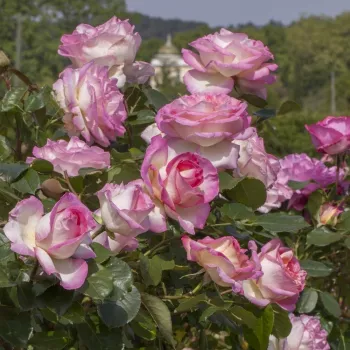
Upright bush 70–90 cm tall with a 50–70 cm spread, moderately thorny stems and very dense, glossy dark green foliage, forming a compact yet substantial presence in beds or containers. |
| Flower morphology |
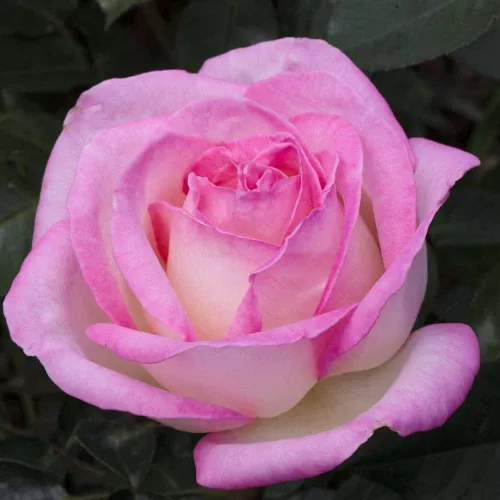
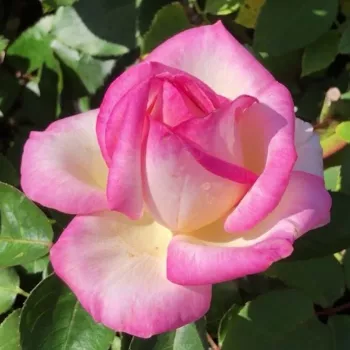
Large, double blooms with 26–39 petals, high-centred, pointed hybrid tea form on mainly solitary stems; strongly remontant with abundant second flush and excellent suitability for cutting. |
| Colour data and phenology |
Creamy white base with pink-edged petals; buds pale creamy white with pink tints, opening to ivory-white centres and carmine-pink margins that fade to soft pastel white–pink, with very good colour retention. |
| Fragrance and aroma |
Mild, restrained scent that does not overpower nearby seating areas; heavily doubled flowers largely conceal stamens, so it is grown mainly for visual effect rather than pollinator attraction. |
| Hip characteristics |
Produces few hips; ellipsoidal fruits 15–21 mm across, orange-red when mature, giving light seasonal interest without significantly affecting flowering potential or garden neatness. |
| Resistance and winter hardiness |
Hardy to approximately −21 to −18 °C (RHS H7, USDA 6b), with good heat tolerance; resistant to powdery mildew and rust, but shows moderate susceptibility to black spot in humid periods. |
| Horticultural recommendations |
Best in full sun with well-drained, fertile soil; moderate maintenance with occasional plant protection, regular deadheading and formative pruning, spacing 45–90 cm depending on hedge, mass or specimen use. |
PRINCESSE DE MONACO ® offers compact, upright growth, long-season exhibition blooms and resilient, own-root longevity that quietly rewards everyday care, making it a thoughtful choice wherever you would like a calm coastal touch.