PURPLE MIA – pale lilac bedding floribunda rose - Kordes
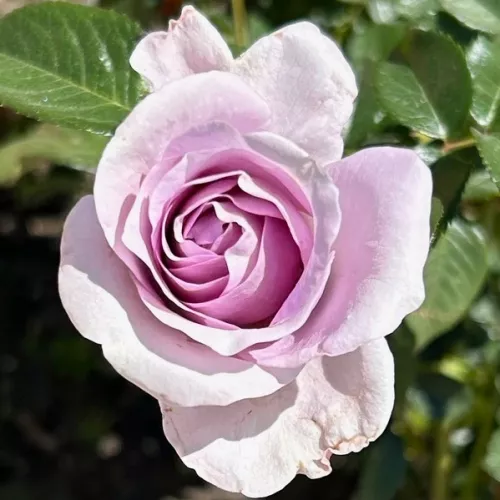
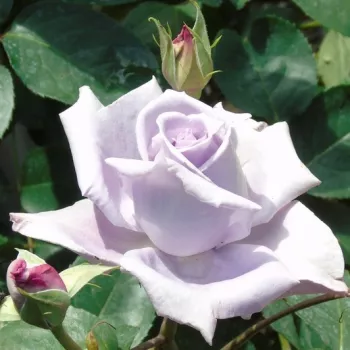
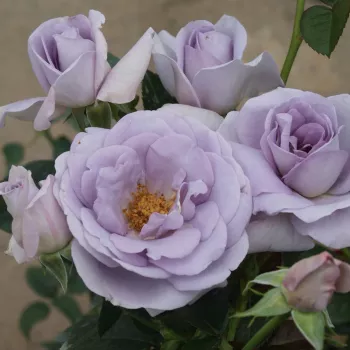
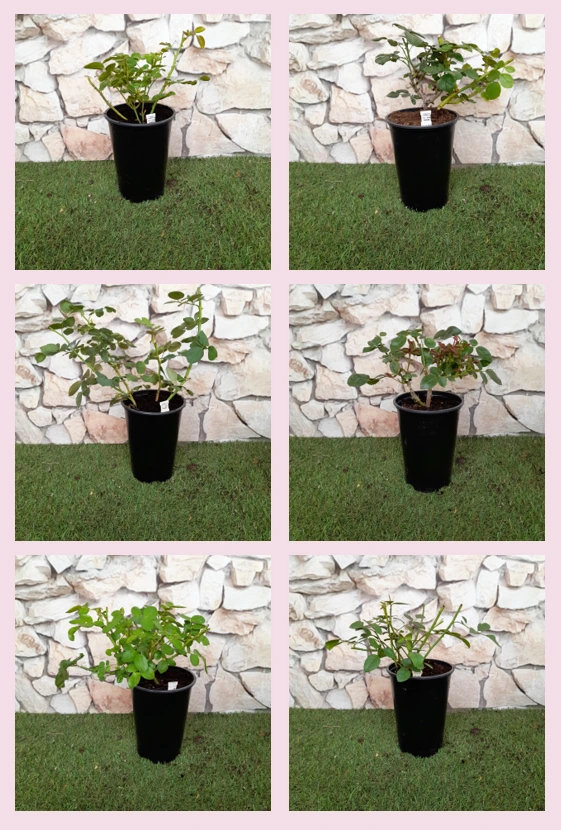
Breathe in the refreshing feel of PURPLE MIA, a compact floribunda that settles calmly into breezy, coastal family gardens where good drainage keeps roots comfortable even in heavy soils. Its bushy, upright habit and moderate height make it effortlessly manageable in smaller beds, narrow borders and generous patio planters. Clusters of cupped, powdery lilac blooms appear in flushes, offering reliably remontant colour from early summer into autumn with excellent colour retention, so each flower holds its cool, misty mauve tone rather than browning. Medium, sweet-violet fragrance adds a gently aromatic layer to evening tea on a sheltered veranda, while robust, modern breeding delivers convincingly disease-resistant foliage that stays neat with minimal attention. As an own-root plant, it offers reassuringly long-lived performance, regrowing evenly from the base and suiting everyday busy gardeners who want beauty without fuss.
Usage options
| Target area | Reasoning |
|---|
| Small coastal family garden beds |
The compact, bushy habit and modest height anchor borders without overwhelming them, giving reliable structure in windy, seaside plots with minimal pruning or staking, ideal for low-effort coastal shingle gardens for the beginner. |
| Season-long flowering focal point |
Remontant clusters carry repeat waves of blooms after the first flush, maintaining colour from summer well into autumn with little intervention, so the border continues to look “dressed” for longer for the homeowner. |
| Large containers on veranda or terrace |
Its upright, contained growth fits comfortably into 40–50 litre tubs, where the glossy foliage and cool-toned flowers create a calm, seaside feel on balconies and sheltered decks for the urbanite. |
| Low-maintenance, resilient planting schemes |
Modern breeding and strong resistance to black spot, mildew and rust reduce spraying or complicated care, keeping foliage presentable through typical British summers even in exposed districts for the time-poor. |
| Cool-toned coastal colour palette |
The misty lavender-lilac blooms with a silvery tinge sit beautifully beside sea kale, blue fescues or soft-hued lavenders, echoing sea and sky in relaxed seaside-style plantings for the stylist. |
| Fragrant seating-area backdrop |
Medium-strength, sweet-violet fragrance is clearly noticeable without being overpowering, making it well suited to spots near garden chairs or verandas where you unwind after a day outdoors for the relaxer. |
| Long-term, stable border structure |
As an own-root rose it matures steadily, with fresh growth emerging from the base each year, giving a stable, balanced shape and ornamental value over many seasons for the planner. |
| Developing new beds over several seasons |
In the first year it concentrates on roots, the second on building shoots, and by the third it delivers full ornamental impact, suiting gradually evolving gardens where drainage and anchoring matter for the newcomer. |
Styling ideas
- Veranda Calm – place PURPLE MIA in a 40–50 litre container with silvery grasses and a low bench to create a wind-sheltered spot for evening tea – ideal for relaxed coastal veranda users.
- Shingle Ribbon – thread a short row through a shingle strip with sea kale and dwarf lavender to echo tide lines and soft surf colours – suited to seaside-style front gardens.
- Lilac Border – mix into a narrow border with hostas and pale hydrangeas to build a misty, layered pastel scheme – perfect for homeowners wanting easy elegance.
- Family Corner – group three plants at 55 cm spacing near a seating area so children and adults enjoy long-season flowers with minimal maintenance – for busy family gardeners.
- Balcony Accent – use a single specimen in a deep pot with cool-toned pebbles as a simple, contemporary feature – for urban dwellers seeking low-effort impact.
Technical cultivar profile
| Property | Data |
|---|
| Name and registration |
Floribunda bedding rose registered as KORkultop, traded as PURPLE MIA and also known in exhibitions as Blue Bajou; part of the bedding rose collection for garden and display use. |
| Origin and breeding |
Bred by W. Kordes & Sons in Germany, with parentage unrecorded; introduced and registered in 1993 after selection in 1992, continuing the Kordes tradition of robust garden floribundas. |
| Growth and structural characteristics |
Bushy, upright shrub reaching about 65–95 cm high and 50–75 cm wide, with moderately dense, mid‑green, glossy foliage and moderate prickliness, forming a compact, manageable bedding plant. |
| Flower morphology |
Medium-sized, double, cupped blooms with approximately 26–39 petals, produced mostly in clusters; remontant flowering habit provides a generous second flush after the main early-summer display. |
| Colour data and phenology |
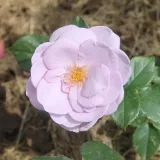
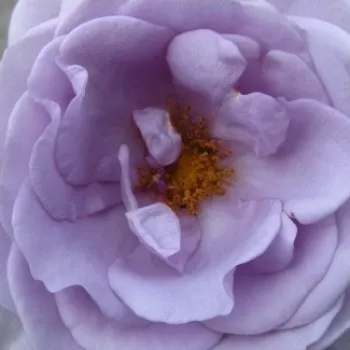
Misty light-lilac to mid purple with subtle silvery tones; buds open lavender-lilac, then shift to powdery mauve and finally a greyish-mauve with silvered edges, with colour holding well before petals drop. |
| Fragrance and aroma |
Medium-strength scent with a sweet violet character, clearly perceivable at close range without being overpowering, adding a refined perfumed note suitable for seating areas and path edges. |
| Hip characteristics |
Rose hips form only sparsely due to the double flowers; occasional small, ellipsoidal orange-red hips around 10–14 mm may appear, but fruit display is generally limited and not a main feature. |
| Resistance and winter hardiness |
Rated H7 and hardy approximately to –26 to –23 °C; shows good resistance to powdery mildew, black spot and rust, supporting low-input cultivation in typical UK garden conditions. |
| Horticultural recommendations |
Well suited to beds, borders and larger containers; plant 45–55 cm apart in groups or hedges, or 90 cm as specimens, in well-drained soil with regular watering during establishment and hot spells. |
PURPLE MIA offers compact structure, repeat lilac flowering and dependable disease resistance in an own-root form that settles for the long term, making it a thoughtful choice for understated coastal and family gardens.