RED BERLIN – dark red hybrid tea rose - Olij
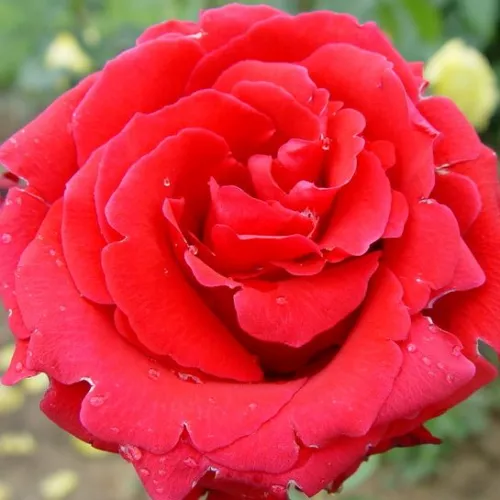
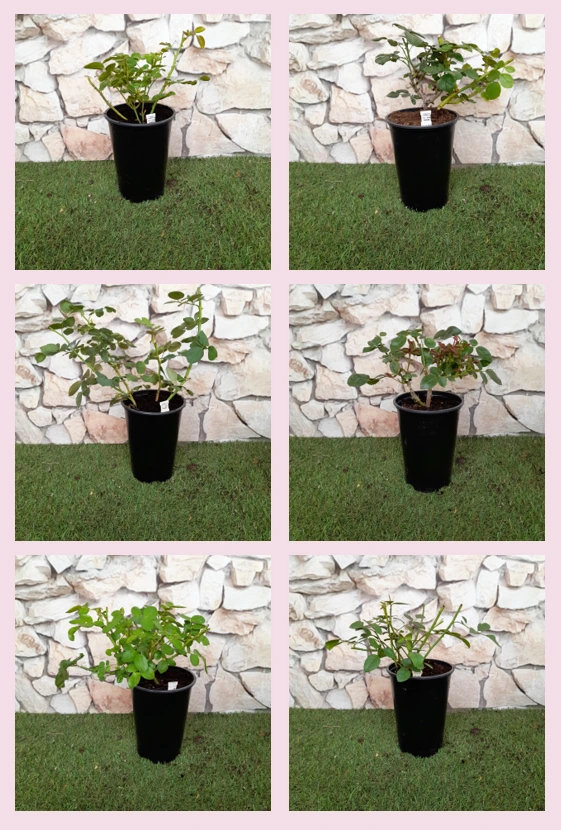
Imagine returning from the shoreline, sand on your shoes, to a veranda screened by the velvety blooms of Red Berlin, a hybrid tea rose that combines classic cut-flower elegance with modern resilience. Its deep, unfading red flowers appear repeatedly from early summer well into autumn, offering season-long floral impact in compact family gardens. This own-root shrub builds up steadily for lasting stability, with roots in the first year, stronger shoots in the second, and full ornamental value by the third. Naturally disease-resistant foliage eases your weekly gardening routine, while reliable upright growth anchors planting even where breezes and salt-laden air call for careful planning. In large containers of at least 40–50 litres or in the open ground, it settles in with minimal fuss, rewarding patient beginners and experienced enthusiasts alike who value long-lived, low-intervention gardens.
Usage options
| Target area |
Reasoning |
| Coastal veranda windbreak in containers (40–50 litres) |
The upright habit and medium height make it easy to line along a railing or veranda edge, creating a semi-transparent windbreak without overshadowing seating areas. It anchors well even in exposed, breezy spots typical of seaside gardens, provided containers are large and well-weighted. A practical option for those who want structure without complex pruning, particularly coastal-porch owners. |
| Small front garden statement rose |
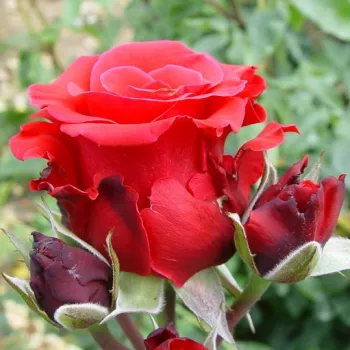
The high-centred, pointed buds open into classic hybrid tea blooms, giving a smart, formal look near doors and paths without needing a large bed. Consistent dark red colouring and tidy self-cleaning flowers keep the display presentable between visits with the secateurs, making it suitable for low-effort kerb appeal for busy-home gardeners. |
| Cutting corner for home bouquets |
Originally bred for cut flower use, its long, straight stems and solitary blooms lend themselves naturally to vases and table arrangements. Recurrent flowering across the season allows you to cut regularly without stripping the bush of colour outdoors, ideal for those who enjoy bringing their own flowers inside, such as weekend-florists. |
| Mixed border with late-summer perennials |
The enduring dark red colour and repeat flowering work well among perennials such as Rudbeckia or hemp agrimony, providing a strong focal point while other plants weave around its upright frame. Its medium-density foliage leaves room for underplanting yet remains visually solid enough to hold the scene together for family-border planners. |
| Low-maintenance family rose bed |
Good resistance to black spot, mildew and rust reduces the need for spraying in typical UK conditions, supporting a simpler routine centred on watering and occasional feeding. The plant keeps its leaves well into autumn, maintaining a neat rose bed with minimal intervention for time-pressed households. |
| Long-season patio focal point |
Remontant flowering ensures that buds, opening flowers and velvety full blooms follow one another from early summer onwards, giving colour over many months rather than a brief flush. As plants mature, this continuity builds into a reliable presence on patios and terraces that suits extended-season seekers. |
| Durable, long-lived specimen shrub |
Grown on its own roots, Red Berlin establishes gradually into a stable shrub less prone to issues associated with graft unions, and if damaged it can regenerate from the base. Over the years this underpins a longer functional life in one spot, with a consistent look that rewards patient long-term-gardeners. |
| Clay-soil family garden bed with improved drainage |
In heavier soils, a raised or well-drained bed allows the robust root system to develop, helping the plant anchor itself reliably and cope with wet, windy weather common in many UK coastal and suburban settings. This suits realistic conditions faced by typical-British-gardeners. |
Styling ideas
- Veranda screen – Arrange three to five plants in 40–50 litre pots along a south- or west-facing coastal veranda, spacing them to frame sea views while softening wind; ideal for coastal-style lovers seeking a simple, structured backdrop.
- Crimson focus – Plant as a single specimen in a gravelled front garden, pairing with blue Festuca and low Lavandula for a calm, maritime palette; suited to homeowners wanting easy-care, high-impact entrance planting.
- Cutting patch – Create a small rectangular bed with rows of Red Berlin underplanted with Aubrieta as a living mulch, giving neat stems for vases and a tidy base layer; perfect for hobby gardeners who enjoy home-grown bouquets.
- Family border – Slot into a mixed border with Rudbeckia and ornamental grasses, using its upright form and repeat blooms to add structure and long colour; a good fit for families wanting reliable summer interest with little fuss.
- Classic patio – Position one or two plants in large, frost-resistant containers beside garden seating, combining with soft grey pots and simple furniture for a relaxed, coastal-tea atmosphere; ideal for beginners refining a small outdoor room.
Technical cultivar profile
| Property |
Data |
| Name and registration |
Hybrid tea rose marketed as Red Berlin, registered as OLIjplam. Belongs to the hybrid tea group with exhibition-style blooms; ARS exhibition name Red Berlin. Part of the vivianaROSE ORIGINAL own-root 2-litre range. |
| Origin and breeding |
Bred by Olij Rozen BV in the Netherlands, with breeding completed around 1996. Introduced and registered in 1997 under EU plant variety protection (CPVO 2280). Parentage is not publicly documented. |
| Growth and structural characteristics |
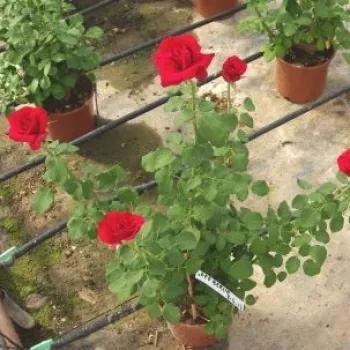
Upright hybrid tea shrub reaching about 80–110 cm in height, spreading 55–85 cm. Medium-density dark green foliage on densely prickled stems. Forms a balanced, vertical outline suitable for beds or large containers. |
| Flower morphology |
Large, double, high-centred blooms with 26–39 petals, typically borne singly on stems. Classic pointed-bud form reminiscent of cut roses. Remontant habit with a generous second flush and further flowers in suitable conditions. |
| Colour data and phenology |
Deep, uniform, velvety dark red (RHS 53B–53A, ARS dark red) from bud to fall. Colour holds well, with minimal fading; later the tone deepens and becomes slightly matt. Buds show a silky burgundy-red prone to slight blackening. |
| Fragrance and aroma |
Displays a very light tea-scented fragrance, generally barely perceptible in the garden or vase. Chosen primarily for colour, form and longevity rather than perfume, making it suitable where scent sensitivity is a concern. |
| Hip characteristics |
Occasionally produces small ovoid hips, approximately 12–18 mm in diameter. Hips are orange-red when mature and usually appear sparsely, adding subtle autumn interest without overwhelming the plant’s neat profile. |
| Resistance and winter hardiness |
Rated hardy to around −21 to −18 °C (RHS H7, USDA zone 6b, Swedish zone 3). Shows good resistance to black spot, powdery mildew and rust in typical conditions, supporting low chemical input and straightforward care routines. |
| Horticultural recommendations |
Preferably planted in full sun with well-drained soil, avoiding waterlogging on heavy clays. Recommended spacings: 50 cm for mass planting, 40 cm for hedges, 75 cm as a specimen. Best performance in beds or 40–50 litre containers. |
RED BERLIN – dark red hybrid tea rose - Olij offers long-season, unfading crimson blooms on a resilient, disease-resistant, own-root shrub that matures into a stable garden feature; a thoughtful choice if you favour lasting structure over short-lived effects.