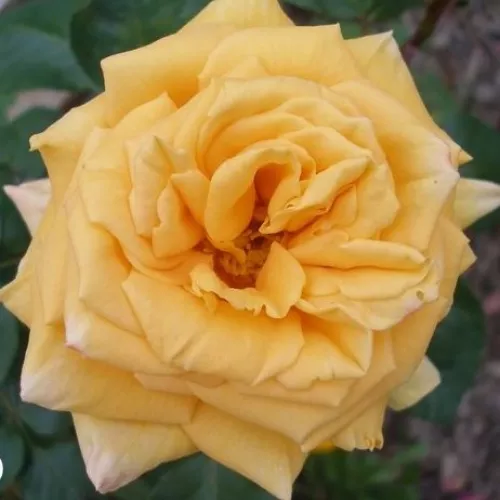
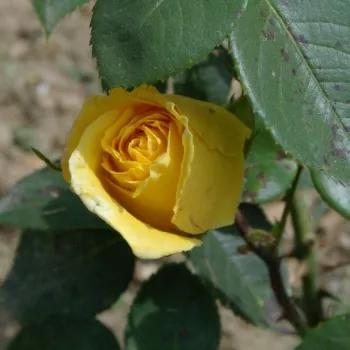
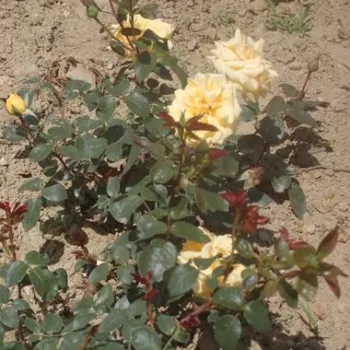
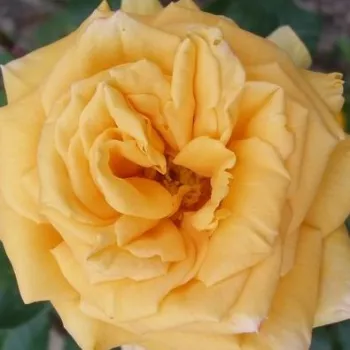
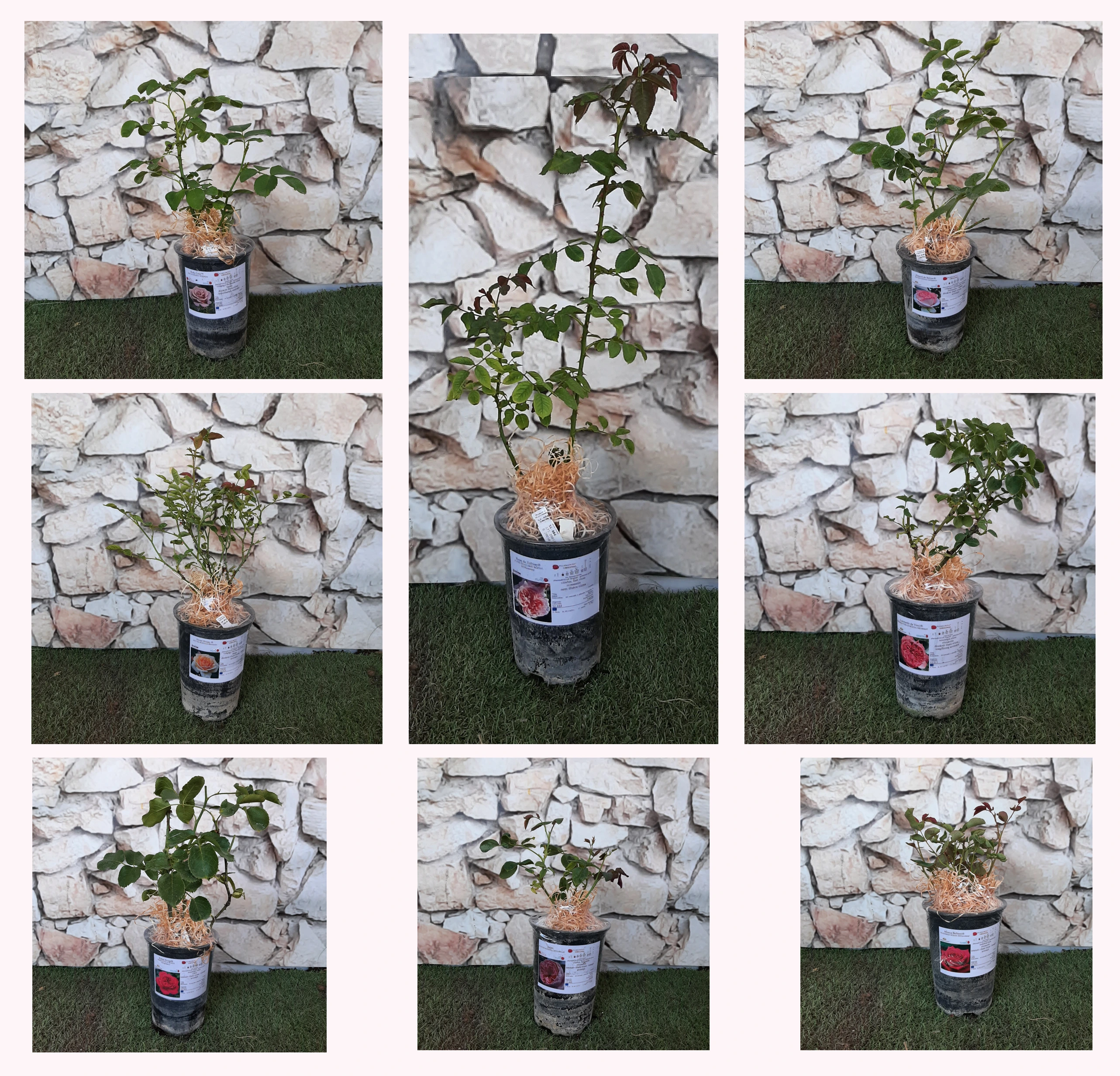
RENAISSANCE DE FLÉCHÈRE – golden-yellow hybrid tea rose – Ducher
Imagine stepping onto your coastal veranda to a gentle burst of golden colour and fresh, fruity scent, a sheltered corner where this compact hybrid tea creates a natural buffer that calmly manages blustery showers and sea-breeze gusts. RENAISSANCE DE FLÉCHÈRE settles into family gardens with reassuring ease: its upright, bushy habit stays neatly within bounds, ideal for smaller borders, shingle beds or a single statement pot of 40–50 litres. Own-root plants are grown for longevity, building strong, resilient root systems that quietly underpin years of dependable flowering. You can expect an enjoyable rhythm of development – roots in year one, confident new shoots in year two, and a full, glowing ornamental presence by year three. The remontant habit brings generous flushes of blooms from early summer well into autumn, while good heat tolerance keeps petals looking fresh even after hot, sunny spells. Moderate disease resistance and simple seasonal care make this variety an inviting choice if you prefer to keep your gardening routine straightforward. In soft Cornish or Devon light, its creamy-yellow fading tones feel particularly refreshing after a walk back from the shore.
Usage options
| Target area |
Reasoning |
| Small coastal front garden bed |
The compact, upright habit (around 80–110 cm) fits neatly into modest front gardens, giving a structured splash of golden-yellow without overwhelming windows or pathways. Reliable repeat flowering enhances kerb appeal with little effort from beginners. |
| Wind-kissed shingle or gravel planting |
Renaissance de Fléchère anchors well in free-draining shingle or gravel, combining good heat tolerance with a steady root system that copes with breezy, changeable coastal weather where showers and sea-breeze gusts often arrive together, ideal for coastal-lovers. |
| Feature rose in a 40–50 litre container |
In a large pot on a veranda or sunny terrace, this rose keeps a tidy outline and flowers repeatedly, while the own-root form rebuilds after any winter damage for long-term use of the same container, suiting time-poor homeowners. |
| Low edging or informal hedge |
Planted 50–60 cm apart, the bushy, moderately leafy growth connects into a softly formal line of colour, easing wind and framing paths without feeling heavy, perfect for relaxed yet organised gardens tended by hobby-gardeners. |
| Mixed border with perennials and grasses |
The warm golden-yellow blends beautifully with sea kale, lavender or Festuca, while the moderate plant height means surrounding perennials are not shaded out, helping create layered planting that still feels open for family-gardeners. |
| Cut-flower corner for home use |
Medium-sized, cup-shaped blooms on straight, upright stems lend themselves to cutting; repeat flowering provides a steady supply of scented stems for vases without needing a dedicated cutting garden, ideal for flower-lovers. |
| Sunny urban courtyard |
Where space is tight, a single specimen or pair offers a long season of colour with only occasional plant protection, and the own-root base helps the plant recover if watering or care is less than perfect, reassuring busy city-dwellers. |
| Long-lived focal point near seating |
Planted as a specimen at about 90 cm spacing, this rose matures into a stable, long-lived feature whose own-root resilience supports many seasons of repeat bloom and fruity scent beside your favourite chair, rewarding patient planners. |
Styling ideas
- Coastal-Veranda Glow – Place one rose in a 50-litre container with pale shingle mulch and a low drift of sea kale nearby to echo the shoreline – for coastal-style enthusiasts seeking a simple focal point.
- Golden-Edge Path – Line a path with evenly spaced plants at 50–60 cm, underplanting with low catmint for a soft blue haze that contrasts with the yellow blooms – for families wanting tidy but gentle structure.
- Shingle-Sunset Mix – Combine in a gravel bed with Festuca and low yarrow, allowing the rose to rise above feathery textures while staying compact – for gardeners who like naturalistic, low-fuss planting.
- Tea-Corner Feature – Use a single specimen by a bench, backed with dark green shrubs, so the golden flowers and fruity fragrance frame quiet afternoon tea – for homeowners who enjoy a calm retreat.
- Urban-Pot Trio – Group one rose with two large lavender-filled containers on a balcony or terrace to balance colour, scent and evergreen form – for busy urban dwellers wanting impact from minimal work.
Technical cultivar profile
| Parameter |
Data |
| Name and registration |
Hybrid tea rose, commercial name Renaissance de Fléchère, ARS exhibition name Renaissance de Flechere; part of the Hybrid tea rose collection, grown as a shrub and cut-flower exhibition type. |
| Origin and breeding |
Bred by Fabien Ducher, Roseraie Ducher, Châteauneuf, Loire, France; parentage undocumented, introduced in 2004 and distributed initially by Roseraie Ducher within European ornamental markets. |
| Growth and structural characteristics |
Upright, bushy shrub reaching about 80–110 cm in height and 50–70 cm in spread, with moderately dense, slightly glossy dark green foliage and moderate prickliness suitable for beds or informal hedging. |
| Flower morphology |
Medium-sized, double, cup-shaped blooms with 26–39 petals, usually borne singly on stems; remontant flowering pattern with a notably abundant second flush when grown in a sunny, well-tended position. |
| Colour data and phenology |
Medium-saturated, bright golden-yellow with warm tone; ARS MY, RHS 12B outer and 11A inner; colour fades gradually to creamy yellow with a softer yellow centre as flowers age on the plant. |
| Fragrance and aroma |
Moderate, noticeable perfume with a fresh, fruity character; suitable for seating areas and cut flowers where a distinct but not overpowering scent is preferred for everyday enjoyment. |
| Hip characteristics |
Forms moderately abundant, spherical red hips, about 12–18 mm across, adding autumn interest if spent flowers are left uncut, though regular deadheading will reduce hip set in favour of repeat bloom. |
| Resistance and winter hardiness |
Hardy to approximately −21 to −18 °C (RHS H7, USDA 6b, Swedish zone 3); resistant to powdery mildew and black spot, moderate rust sensitivity, with good heat tolerance given adequate watering. |
| Horticultural recommendations |
Best grown in full sun with well-drained soil; plant 50–60 cm apart in groups or 90 cm as a specimen; medium maintenance, occasional plant protection, benefits from mulching and regular watering in dry spells. |
RENAISSANCE DE FLÉCHÈRE offers compact golden blooms, repeat flowering and a long-lived own-root character that matures steadily over the years, making it a thoughtful choice if you value calm, enduring structure in your garden.