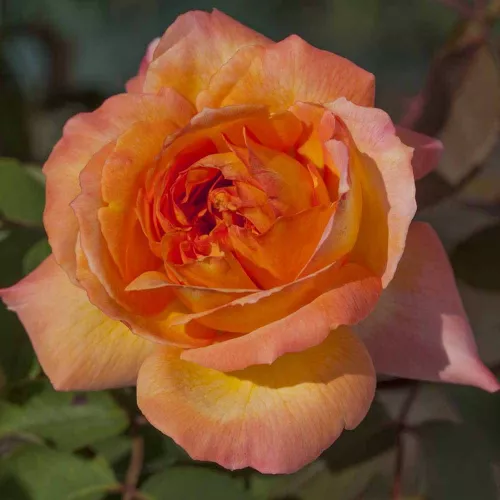
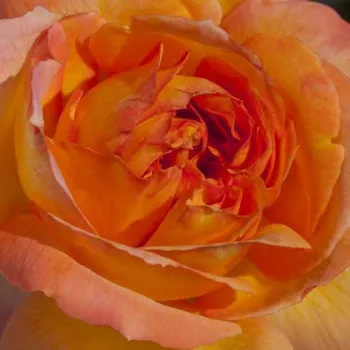
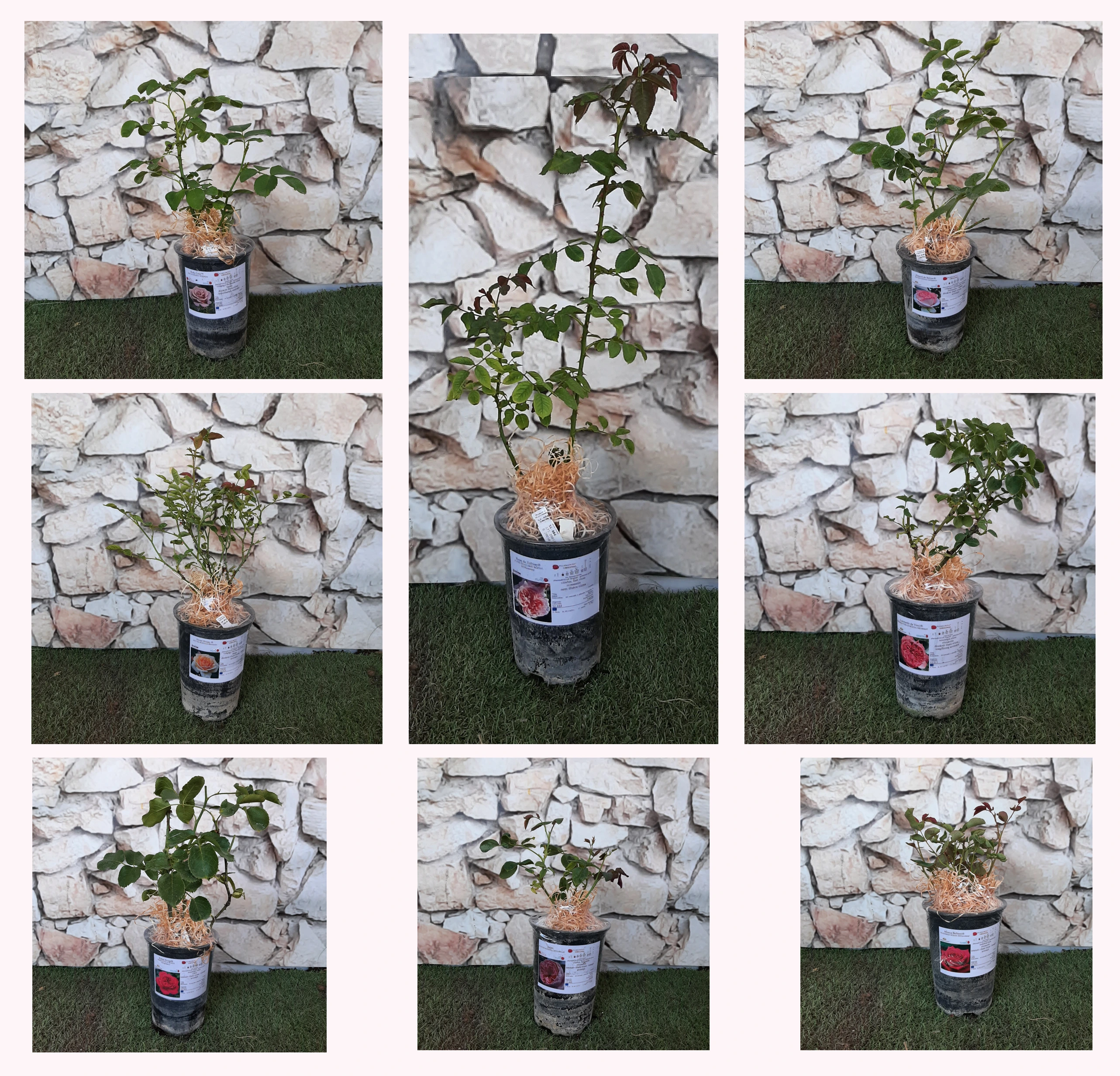
RENÉ GOSCINNY ® – orange hybrid tea rose – Meilland
Let the René Goscinny hybrid tea bring a touch of refined coastal romance to your garden, with richly petalled blooms in warm mandarin-orange and a fruity, long‑lasting perfume that drifts across your veranda. In a sheltered spot it forms a compact, bushy structure, ideal for smaller Cornish or Devon gardens where steady winds and saline air are part of everyday life, and where roots benefit from well‑drained soil that copes reliably with heavy rain and strong breezes. This own‑root rose is bred for longevity, building a deep, anchoring root system that helps it recover after pruning or harsh weather, while dense, glossy foliage keeps its ornamental value high across a long season. In its first year it concentrates on roots, in the second on stronger shoots, and by the third year it reveals its full coastal‑garden potential.
Usage options
| Target area | Reasoning |
|---|
| Feature rose for a small coastal veranda in a large container |
Its compact, bushy habit and XL exhibition-type blooms make it a striking focal point in a 40–50 litre pot, where the strong, sweet-fruity fragrance can be enjoyed at seating height by coastal-style veranda owners and beginners. |
| Romantic “girly” seating nook with shelter from onshore winds |
Dense, glossy foliage and sturdy stems create a semi-sheltered pocket around a bench or bistro set, softening wind without dominating space, while warm peach-orange flowers lend a feminine, tea-in-the-breeze charm for coastal garden homeowners. |
| Cutting patch for perfumed, long-stemmed blooms |
The high-centred, hybrid-tea form and strong stems are ideal for vases, giving you classic exhibition-style flowers with a luxurious, lasting scent, so a single bush can supply many house bouquets for busy urban rose enthusiasts. |
| Own-root specimen with long-term stability in family gardens |
Grafted-union worries are avoided: on its own roots it thickens gradually, replaces older wood naturally and recovers more reliably from winter damage, so its shape stays balanced and attractive for long-term family garden planners. |
| Coastal border with good drainage and reliable watering |
It copes well with warmth and salt-laden breezes when planted in improved, free-draining soil that also handles heavy rain and strong winds reliably, rewarding careful watering with vigorous growth for thoughtful coastal garden starters. |
| Mixed rose-and-perennial bed in a sunny front garden |
A moderate maintenance level suits gardeners who can deadhead occasionally and give routine care; in return, repeat blooming and tidy, bushy growth provide a consistent focal point for time-pressed household gardeners. |
| Low hedge or edging line beside a shingle path |
Regular spacing allows its bushy 60–85 cm height and 40–60 cm spread to form an orderly, fragrant edging, guiding the eye along shingle or gravel and defining routes elegantly for design-conscious coastal path owners. |
| Wildlife-friendly corner with seasonal hips and scent |
Moderately abundant red, ellipsoid hips extend interest after flowering, while the scented, double blooms still offer some appeal to pollinators, adding subtle ecological value for nature-aware family garden custodians. |
Styling ideas
- Veranda-bistro – Combine René Goscinny in a 50-litre container with blue Nepeta and a pale bistro set for a chic, salty-breeze tea corner – ideal for balcony and veranda appreciators.
- Shell-path – Line a shingle or shell-decorated path with evenly spaced plants, underplanting with silver Festuca to echo coastal grasses – suited to lovers of structured yet romantic front gardens.
- Peach-border – Create a warm-toned border with Brunnera, wallflowers and apricot perennials that pick up the rose’s mandarin hues – perfect for colour-conscious planting planners.
- Cutting-row – Dedicate a sunny strip to three to five bushes, pruned for long stems and large blooms for indoor vases – appealing to home florists who enjoy arranging their own roses.
- Seasonal-accent – Use a single specimen near steps or a gate, where its fragrance, repeat flowering and autumn hips greet arrivals – ideal for families wanting impact from just one well-chosen rose.
Technical cultivar profile
| Parameter | Data |
|---|
| Name and registration |
Hybrid tea rose, registered as MEIfrypon, marketed as René Goscinny Romantica; exhibition name René Goscinny; part of the Romantica collection, own-root 2-litre container form. |
| Origin and breeding |
Bred by Alain Antoine Meilland for Meilland International SA in France; introduced 2005 after 2001 registration; parentage not disclosed but selected for exhibition bloom form and garden performance. |
| Awards and recognition |
Gold Rose at Geneva International Rose Trials 2001 and Certificate of Merit at Le Roeulx International Rose Competition 2001, confirming its high-quality bloom form and reliable garden performance. |
| Growth and structural characteristics |
Compact, bushy shrub reaching about 60–85 cm high and 40–60 cm wide, with dense, glossy dark green foliage and moderate prickliness; spent blooms often need manual removal to maintain a neat appearance. |
| Flower morphology |
Large, double, high-centred blooms with 26–30 petals, classic hybrid tea exhibition style, usually borne singly; repeat-flowering through the season with a generous second flush in suitable conditions. |
| Colour data and phenology |
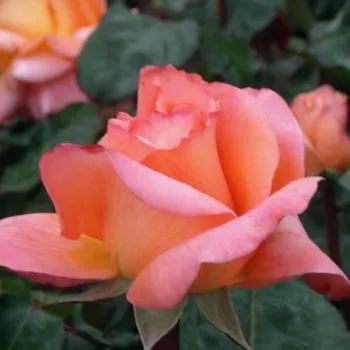
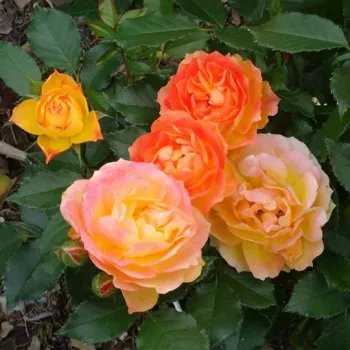
Rich mandarin-orange base with golden-yellow depth and pink-red blush; colour strongest in cooler weather, fading somewhat in heat; bud and bloom tones shift from deep orange to warm peach and soft salmon. |
| Fragrance and aroma |
Strong, long-lasting sweet-fruity scent that carries well in still air; ideal for seating areas and cut flowers where its perfume can be appreciated over many hours indoors or on sheltered terraces. |
| Hip characteristics |
Forms moderately abundant, ellipsoidal red hips about 10–14 mm in diameter, adding discrete late-season colour and mild wildlife interest once the main flushes of flowering have finished in autumn. |
| Resistance and winter hardiness |
Hardy to approximately –21 to –18 °C (RHS H7, USDA 6b); moderate resistance to powdery mildew and black spot with good rust resistance; benefits from regular watering and basic preventive care in damp seasons. |
| Horticultural recommendations |
Prefers sunny positions with fertile, well-drained soil; water consistently in dry spells. Suitable for borders, hedging, specimen planting and containers; recommended spacing 45–75 cm depending on design intent. |
RENÉ GOSCINNY ® offers compact, fragrant, exhibition-quality blooms, reliable repeat flowering and the long-term stability of an own-root shrub, making it a cultured choice for smaller coastal or town gardens that you can select with confidence.