ROSA HARISONII – yellow historic old garden rose - Harison
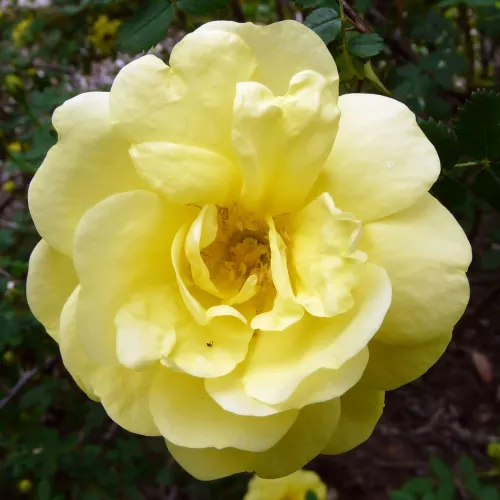
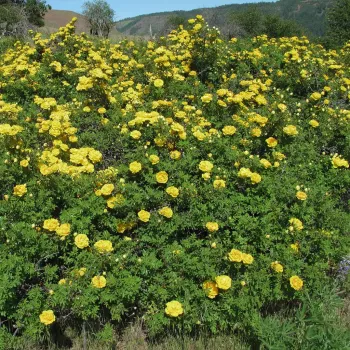
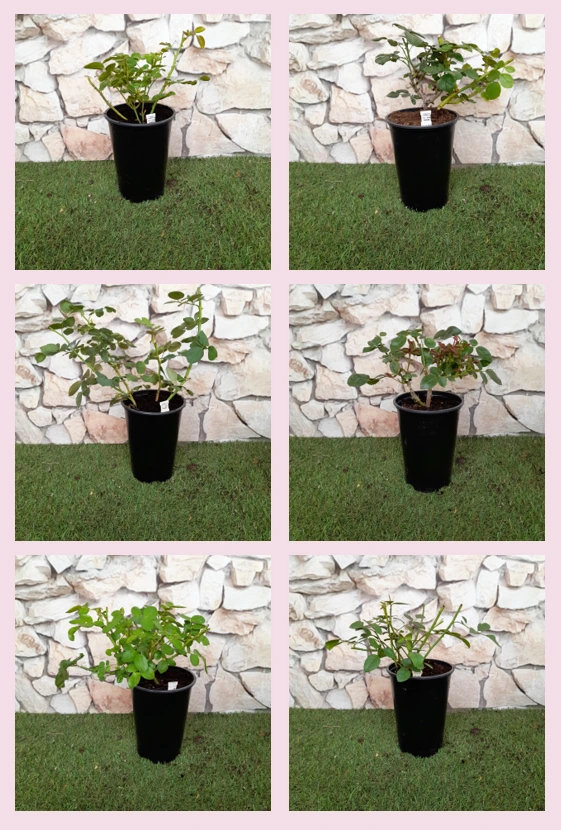
Salt-tolerant and steeped in history, Rosa Harisonii brings a wash of sunshine-yellow flowers to coastal and family gardens with reassuring ease. Once settled into your border or large container, it forms a bushy, upright shrub that copes well with blustery conditions and helps to stabilise soil where drainage and anchoring matter on exposed, breezy plots. Its semi-double blooms appear in a memorable spring flush, then the plant rests, leaving clean-looking foliage as spent flowers fall away naturally with good self-cleaning. Own-root plants are long-lived and steady, building a dependable framework that you can lightly prune and shape as needed, with the classic development of roots first, then shoots, then full ornamental impact over the first three seasons. Mild, elegant fragrance and bee-friendly centres add gentle charm, while the shrub’s moderate height and width work well in average-sized front or back gardens. In a shingle bed, sunny border or 50‑litre patio pot, you enjoy historic character with modern simplicity, a naturally anchored presence and quietly enduring beauty.
Usage options
| Target area |
Reasoning |
| Coastal veranda container (50–70 litre) |
Handles wind and sun in a roomy pot, giving a single but striking spring display without demanding constant pruning or feeding, ideal for relaxed coastal-style seating areas for the busy beginner. |
| Small front garden specimen |
Compact yet substantial shrub size suits modest UK front gardens, offering a bright focal point in late spring, then neat foliage with minimal shaping to keep paths and driveways tidy for the time-conscious homeowner. |
| Shingle or gravel coastal bed |
Tolerates dry, free-draining conditions and coastal breezes while its roots gradually anchor the plant, creating lasting structure where wind and salt-pruned surroundings call for resilient shrubs for the seaside gardener. |
| Low, informal hedge along a boundary |
Regular spacing forms a loosely clipped, seasonally vivid hedge; dense prickles and upright growth discourage shortcut traffic while requiring only occasional trimming, suiting the practical family. |
| Mixed border with perennials |
Once-flowering habit pairs well with summer perennials that take over after its yellow flush, reducing gaps and keeping interest rolling without complex planning, appealing to the casual planner. |
| Naturalistic, low-maintenance slope planting |
Bushy roots and drought tolerance help bind soil and reduce watering on banks, especially after establishment, where reliable structure matters more than frequent blooms for the landscape-focused owner. |
| Urban courtyard with partial shade |
Copes with some shade between buildings and reflected heat, giving a bright seasonal highlight without needing constant attention, a good fit for the busy urban dweller. |
| Wildlife-friendly corner or boundary |
Semi-double flowers with exposed stamens attract bees in their short blooming window, then occasional hips add modest autumn interest, all with only basic annual care for the nature-minded gardener. |
Styling ideas
- Seaside-Veranda Glow – Position in a 50–70 litre tub with pale gravel mulch and a low Festuca border to echo dunes – perfect for coastal-style lovers.
- Golden-Hedge Walk – Plant as a loose hedge along a front path, underplant with lavender for scent and structure – ideal for family homes with children.
- Shingle-Cottage Mix – Weave into a shingle bed with sea kale and low ornamental grasses for a soft, wind-tousled look – suited to relaxed cottage gardeners.
- Urban-Haven Corner – Combine with tall Allium and compact perennials in a courtyard border to extend interest beyond its flowering spell – attractive to busy city dwellers.
- Natural-Bank Drift – Dot groups on a sunny slope among drought-tolerant perennials to hold soil and soften hard lines – useful for low-maintenance garden owners.
Technical cultivar profile
| Property |
Data |
| Name and registration |
Historic shrub rose from the Historical rose group, marketed as Rosa Harisonii, also known as Harison’s Yellow; an old garden rose not registered under a separate modern code. |
| Origin and breeding |
Old hybrid between Rosa foetida ‘Persiana’ and Rosa spinosissima, bred by George Folliott Harison in the United States around 1824 and introduced to gardens by 1830. |
| Growth and structural characteristics |
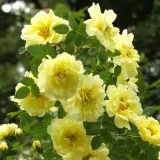
Bushy, upright to arched shrub typically 130–230 cm in height and spread, carrying moderately dense, grey-green matt foliage on densely thorned stems that form a sturdy, lasting framework. |
| Flower morphology |
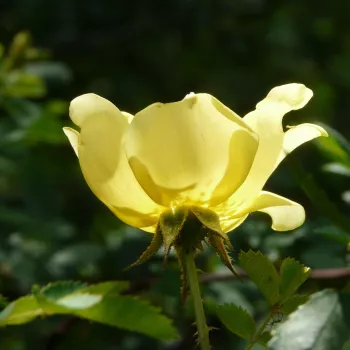
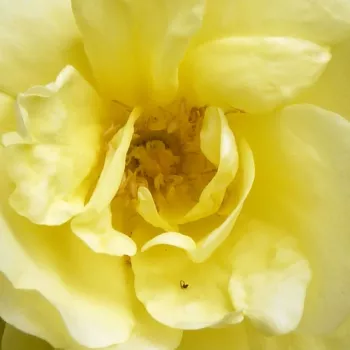
Bears medium-sized, cup-shaped, semi-double blooms, usually solitary on the stems, with around 13–25 petals and a once-only flowering season, followed by good natural shedding of spent blooms. |
| Colour data and phenology |
Displays bright, warm sunshine-yellow flowers (RHS 9A outer, 11B inner); colour may fade slightly in strong sun but stays vivid in cooler weather, with peak bloom concentrated in late spring. |
| Fragrance and aroma |
Offers a mild, restrained scent with a delicate, elegant character rather than a powerful perfume, giving a gentle background fragrance around seating areas during its main flowering period. |
| Hip characteristics |
Occasionally forms small spherical hips, about 11–19 mm across, shifting in colour from green to red and finally black when fully ripe, providing modest but noticeable autumnal ornament. |
| Resistance and winter hardiness |
Very hardy shrub tolerating approximately −34 to −32 °C (RHS H7, USDA 4a), with moderate resistance to common rose diseases and good tolerance of heat and moderate drought once established. |
| Horticultural recommendations |
Suitable for specimen use, informal hedges, naturalistic slopes, parks and urban green spaces; prefers sun or partial shade and benefits from occasional health pruning and basic pest monitoring. |
Rosa Harisonii offers sunshine-yellow spring bloom, sturdy, drought-tolerant shrub structure and dependable own-root longevity, making it a thoughtful choice for relaxed, low-effort family and coastal gardens.