ROSE DE TOLBIAC® – pink climbing rose - Kordes
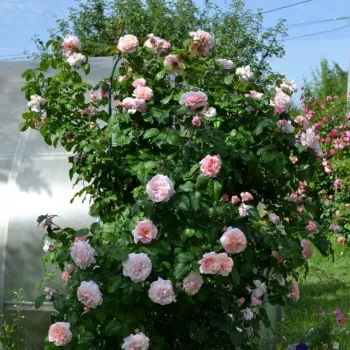
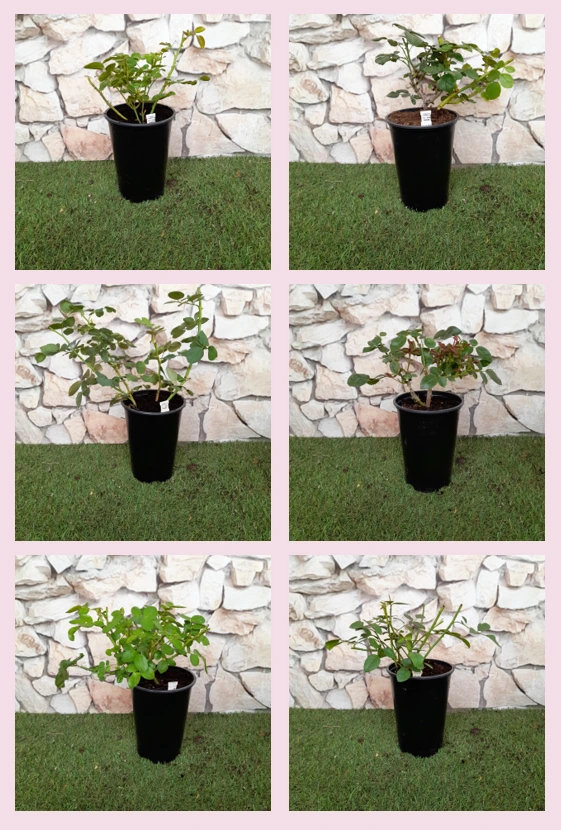
Along a breezy Cornish fence or Devon veranda, ROSE DE TOLBIAC® brings effortlessly romantic, pastel petals that soften hard lines and filter the light with its generous height. This large-flowered climber settles calmly into typical UK gardens, coping well with breezier sites and thoughtfully managed drainage in heavier soils, while its own-root form underpins long-term stability and graceful renewal after harsh winters. Over time, you can expect a gentle progress from establishing roots through building shoots to full curtain-like coverage by year three, transforming modest boundaries into softly shaded, sea-breeze-ready retreats.
Usage options
| Target area |
Reasoning |
| Coastal veranda windbreak |
The tall, climbing habit creates a sheltered nook on exposed verandas, pairing well with shingle and salt-tolerant planting for a calm, wind-filtered corner. Own-root growth supports long-lived structure for coastal-style lovers. |
| Small family garden boundary |
Reaching 180–280 cm yet remaining relatively narrow, it clothes a fence or trellis without overwhelming a typical UK family garden, giving soft privacy and gentle colour. Rooted on its own stock, it establishes steadily for busy homeowners. |
| Rose arch or pergola feature |
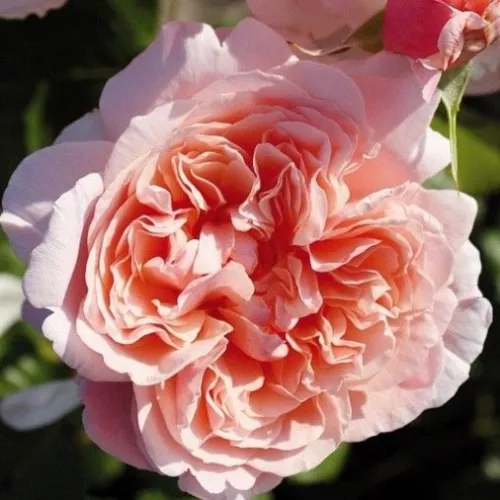
Very full, XL rosette blooms in pastel pink and peach create a romantic tunnel effect over arches and pergolas, ideal for “girly” garden styling and summer photos. Repeat flushes ensure ongoing impact for hobby gardeners. |
| Partially shaded seating area |
Suitability for partial shade allows planting near north-east or south-east facing walls, bringing light, creamy-pink flowers where many climbers underperform. Gradual own-root thickening adds lasting framework for tea-lovers. |
| Heat-exposed south-facing wall |
Good heat tolerance and moderate drought resilience make it reliable on warmer, south-facing walls, provided you offer sensible watering and mulch. This supports a refined, pastel look without fuss for low-maintenance seekers. |
| Long-season flowering focal point |
Strong remontancy with abundant second flowering gives a notably extended display, from early summer through later flushes, keeping the garden interesting beyond peak season. Own-root stamina sustains this rhythm for long-view planners. |
| Family-friendly clay soil garden |
Once drainage is improved, its resilient structure and own-root vigour anchor well even in heavier UK clays, offering reliable vertical colour that handles wet winters and breezier conditions for practical beginners. |
| Low-input long-term rose investment |
Moderate care needs and strong frost hardiness to around -22 °C, combined with black spot resistance and regenerating own-root growth, mean less replanting and more stable beauty over years for time-poor gardeners. |
Styling ideas
- Shellwalk Arch – Train ROSE DE TOLBIAC® over a slim arch set in shingle with sea kale and Festuca, creating a soft, seashell-toned entrance – for coastal veranda owners seeking a gentle wind-filtering frame.
- Pastel Pergola – Let its rosette blooms drape a compact pergola above a bistro set, underplanted with lavender and lady’s mantle – for tea drinkers who want long-season colour with minimal upkeep.
- Harbour Fence – Cover a narrow boundary with this steady climber, weaving it through wires with Crocosmia at the base – for families wanting privacy and movement without losing precious garden space.
- Balcony Curtain – In a 50–70 litre container with good drainage, guide stems along railings to form a floral curtain – for urban balcony gardeners needing a slim, vertical statement rose.
- Sunset Wall – Pair it on a warm wall with silvery grasses and low gaillardias to echo soft beach sunsets – for design-conscious gardeners planning a long-lived, low-fuss focal point.
Technical cultivar profile
| Parameter |
Data |
| Name and registration |
Climbing rose cultivar from the Klettermaxe collection; registered as KORcaseipp, marketed as Rose de Tolbiac® Klettermaxe®, with ARS exhibition name Rose de Tolbiac for show purposes. |
| Origin and breeding |
Bred in Germany in 1998 by Tim-Hermann Kordes from ‘KORkinteral’ × ‘KORpastato’; introduced after 2014 by W. Kordes’ Söhne Rosenschulen GmbH & Co KG as a premium climbing rose. |
| Awards and recognition |
Recognised at the Baden-Baden International New Rose Competition 2013 with a Gold Medal and the City of Zweibrücken Award, reflecting its ornamental and garden performance qualities. |
| Growth and structural characteristics |
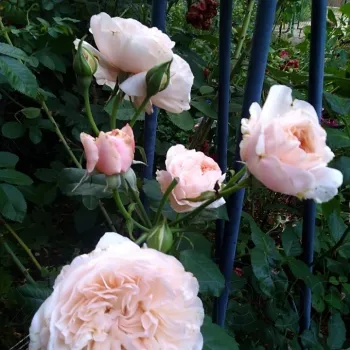
Vigorous climbing habit reaching about 180–280 cm high and 60–100 cm spread; moderately thorny canes with moderately dense, dark green, slightly glossy foliage that forms an effective vertical screen. |
| Flower morphology |
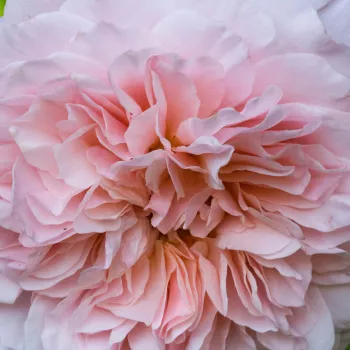
Very full, rosette-shaped blooms with more than 40 petals, typically produced mainly as solitary XL flowers of around 9 cm or more across; strongly remontant, giving a rich second flowering flush in season. |
| Colour data and phenology |
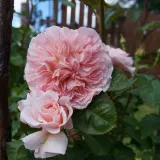
Soft pale pink with peach undertones; buds powder pink, opening to pastel peach-pink centres, fading towards creamy tones in strong sun; ARS AB, RHS 65C outer and 24C inner petals, with medium colour retention. |
| Fragrance and aroma |
Delicate rose-scented fragrance that is very weak and barely noticeable in the garden; primarily valued for its flower form and colour rather than perfume, making it unobtrusive near seating areas. |
| Hip characteristics |
Hip set is usually limited due to very double flowers, though occasional spherical hips of about 20–30 mm may appear, showing greyish-lilac to greyish-purple hues around RHS 183A without major ornamental impact. |
| Resistance and winter hardiness |
Hardy to approximately -23 to -21 °C (RHS H7, USDA 6a, Swedish zone 3); good heat tolerance with moderate drought resistance; moderate overall disease resistance, notably resistant to black spot, with some mildew and rust sensitivity. |
| Horticultural recommendations |
Ideal for arches, pergolas, fences and walls; plant 70–140 cm apart depending on use; prefers well-drained soil and regular watering in dry spells; suitable for partial shade and larger containers from about 50 litres. |
ROSE DE TOLBIAC® offers a slim, tall climbing habit, romantic pastel rosettes and season-long flowering on a durable own-root framework, making it a thoughtful choice for long-lived, easy-care vertical colour.