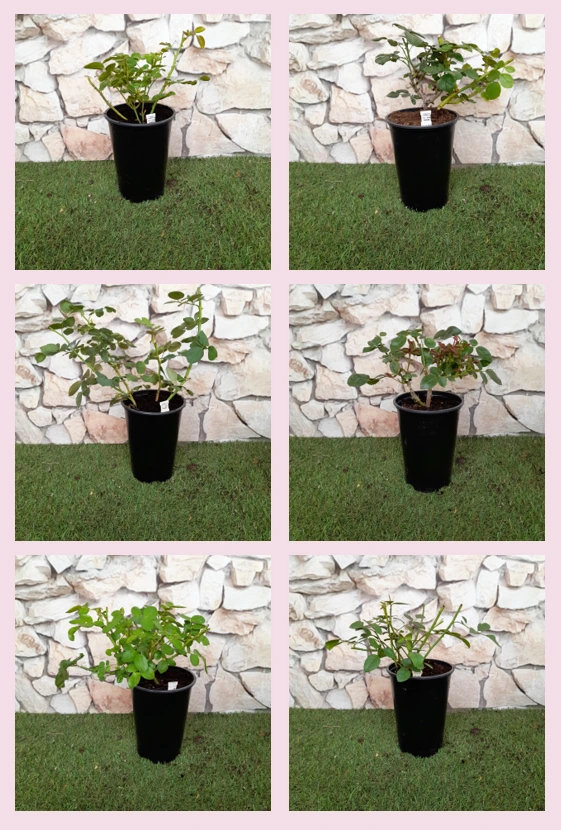
ROSENGARTEN ZWEIBRÜCKEN – purple-lilac climbing rose - Warner
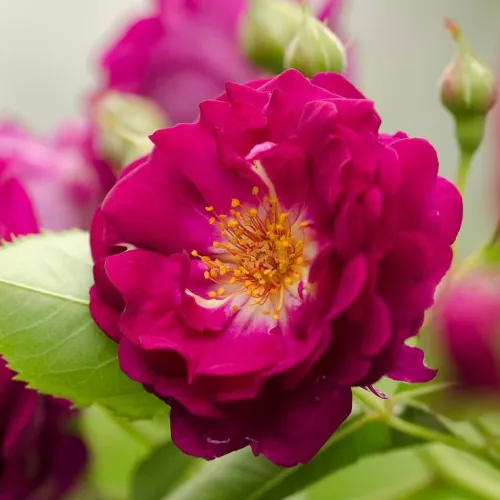
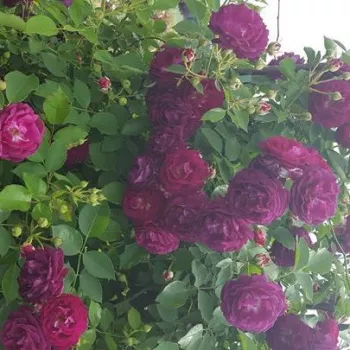
On a breezy coastal afternoon, ROSENGARTEN ZWEIBRÜCKEN brings a refreshing, berry‑spiced fragrance that carries beautifully across a small family garden, even where persistent winds and salt‑tinged air call for resilient planting and dependable structure. This tall yet manageable climber clothes arches, fences and verandas with richly coloured, crimson‑purple blooms that soften to a lilac haze, creating a distinctly romantic, slightly “girly” seaside mood. Its remontant flowering ensures generous colour through the season, while semi‑double, bee‑visitable clusters add subtle wildlife interest. Grown on its own roots, it is bred for a long, stable life, quietly building strength below ground in year one, pushing confident framework shoots in year two, and reaching its full ornamental presence by year three, so you can simply enjoy the evolving character of this long‑lived garden companion.
Usage options
| Target area | Reasoning |
|---|
| Coastal veranda windbreak |
The tall, climbing habit creates a soft, green wind‑filter around seating areas, ideal for cup-of-tea shelter on exposed Cornish or Devon verandas, while coping reliably with brisk, salty air for the relaxed coastal gardener you. |
| Compact pergola or rose arch |
Medium vigour and sparse prickles make training along a family‑scale pergola or arch straightforward, so you gain a long‑lived, scented tunnel of colour without constant pruning complexity, suiting beginners wanting impact with limited time available. |
| Feature fence in a small garden |
Its 220–340 cm height and moderate spread clothe an average garden fence with layered crimson‑purple to lilac‑pink blooms, providing vertical interest while leaving room for play or seating below, ideal for busy families maximising every metre outside. |
| Large container on balcony or terrace |
In a 40–50 litre or larger container with good drainage, it anchors securely, offering fragrance and colour where soil is poor or paved, letting urban homeowners enjoy a long‑term climbing rose without replanting every few years unnecessarily. |
| Season‑long scented seating area |
Remontant flowering and a very strong, garden‑filling spicy, berry fragrance create a consistently perfumed sitting spot from summer onwards, giving reliable evening enjoyment after work with minimal maintenance beyond occasional feeding and tying‑in duties. |
| Wildlife‑friendly decorative corner |
Semi‑double clusters allow partial access to pollen, and modest red hips follow, so you add gentle support for pollinating insects and autumn birds without sacrificing showy colour, fitting gardeners who value both ornament and discreet biodiversity benefits. |
| Low‑effort long‑term structure |
As an own‑root rose, it regenerates well from the base, avoids troublesome graft suckers and maintains its climbing framework for many years, reducing replacement and heavy renovation work for those wanting lasting structure with light annual tasks only. |
| Coastal clay border with drainage improvements |
Once planted into improved, free‑draining pockets within heavier coastal soils, it establishes a firm root system that copes with windy, salt‑sprayed conditions while remaining stable and productive, giving confidence to gardeners on challenging plots nearby. |
Styling ideas
- Seaside‑Arch – Train Rosengarten Zweibrücken over a narrow arch, underplant with blue Echinops and silver grasses to echo sea tones – ideal for coastal romantics wanting a soft, windswept entrance.
- Veranda‑Screen – Grow it in a 50‑litre container by railings, weaving stems along wires to form a fragrant privacy screen – suited to balcony owners needing shelter and scent without complex upkeep.
- Girly‑Pergola – Combine its purple‑lilac blooms with white obedient plant and lavender for a pastel, feminine walkway – perfect for families creating a pretty “tea and stories” corner in small gardens.
- Wildlife‑Nook – Let it clothe a sunny fence, adding marigolds and globe thistle below for bees, with hips left for birds – for nature‑minded gardeners who still want a clear, structured display.
- Statement‑Pillar – Spiral stems around a pillar or obelisk as a vertical focal point by the patio, pairing with low grasses to keep maintenance light – good for beginners seeking a single, long‑lived accent.
Technical cultivar profile
| Parameter | Data |
|---|
| Name and registration |
Climbing rose group; registered as CHEwpurplex, marketed as Rosengarten Zweibrücken climbing rose; own-root in 2-litre containers for home gardens and small landscape features. |
| Origin and breeding |
Bred by Christopher H. Warner in the United Kingdom in 2009; introduced after 2013 via Rosen-Union e.G.; Warners Roses acts as breeding company for this distinctive climber. |
| Awards and recognition |
Awarded Goldmedaille at Baden-Baden rose trials in 2010, indicating strong garden performance and ornamental merit under European conditions, including colour, flowering continuity and general appeal. |
| Growth and structural characteristics |
Climbing habit, typically 220–340 cm high and 150–260 cm wide; moderately dense, mid‑green, slightly glossy foliage; sparsely thorned canes ease training on arches, fences, pergolas or pillars. |
| Flower morphology |
Semi‑double, cup‑shaped clusters with 13–25 petals per bloom; medium flower size, roughly 4–7 cm; remontant with a notably abundant second flush, providing repeated seasonal displays. |
| Colour data and phenology |
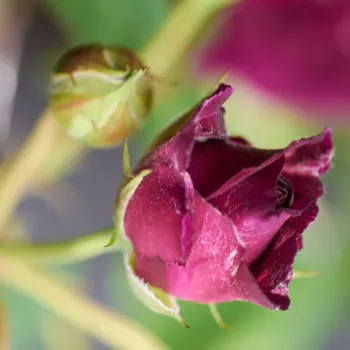
Deep crimson‑purple flowers with violet tones; buds dark and velvety, ageing through rich violet‑red to pinkish lilac; medium colour retention, creating a multi‑tonal effect on each flowering truss. |
| Fragrance and aroma |
Very strongly scented, with a full‑bodied, spicy, berry‑fruited character; fragrance carries well in still or lightly breezy gardens, making it particularly effective near paths, seating and doorways. |
| Hip characteristics |
Produces moderate quantities of small, spherical hips, approximately 6–10 mm, coloured red; hips extend seasonal interest into autumn and can attract birds where plants are left un-deadheaded. |
| Resistance and winter hardiness |
Hardy to approximately −21 to −18 °C (RHS H7; Swedish zone 3; USDA 6b); moderate resistance to black spot, powdery mildew and rust, benefiting from standard preventive care in damp seasons. |
| Horticultural recommendations |
Best in fertile, well‑drained soil with support; spacing 140–220 cm depending on use; suitable for pergolas, arches, walls, pillars, containers and cutting, with medium maintenance needs overall. |
ROSENGARTEN ZWEIBRÜCKEN offers richly scented crimson‑purple blooms, adaptable coastal performance and durable own‑root longevity, making it a thoughtful choice for those planning a relaxed yet characterful garden framework.