ROSENSTADT FREISING ® – white-pink bedding floribunda rose - Kordes
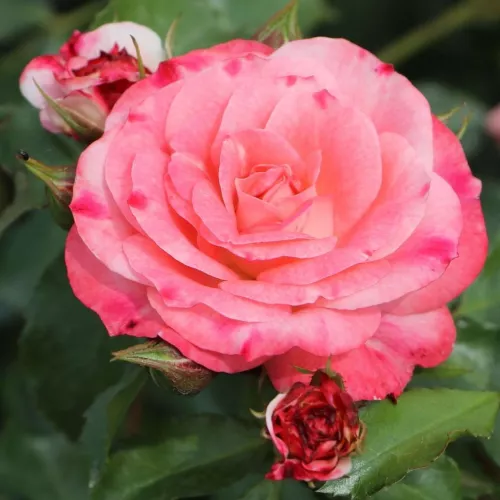
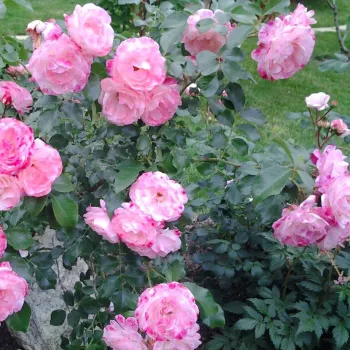
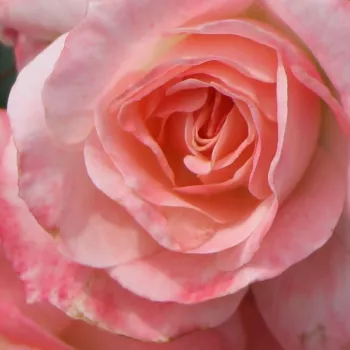
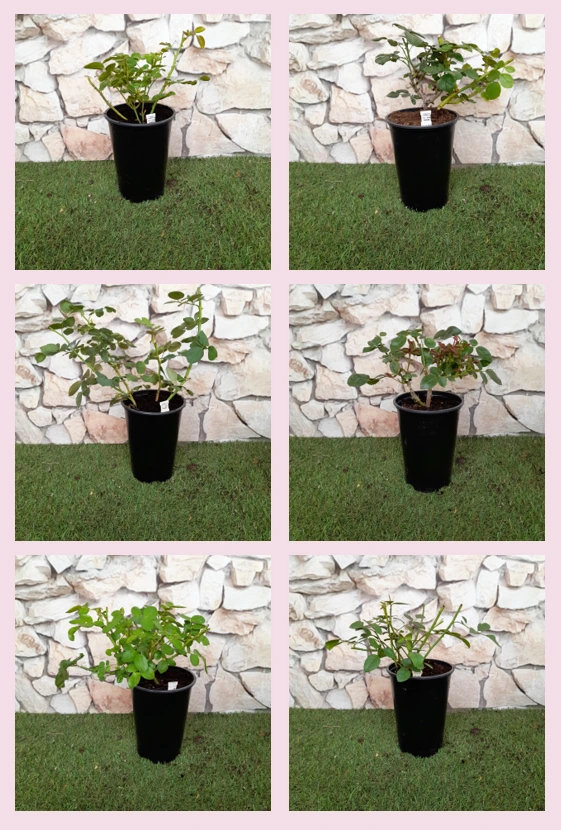
Imagine a sunny coastal afternoon: you return from the beach, rinse the sand from your hands and sit down with a cup of tea, sheltered by a neat drift of ROSENSTADT FREISING®. This upright floribunda takes blustery, damp British weather in its stride, offering a dependable structure that feels naturally at home where sea breezes meet a small family garden. Its semi-double blooms open freely for bees, with clean white petals edged and freckled in soft carmine pink, giving a light, salty freshness beside shingle, decking or a sheltered terrace. Designed for low-input gardens, its strong disease resistance keeps foliage glossy and presentable with minimal spraying, while its remontant nature ensures clusters of flowers follow one another through the season. In your first year the roots establish, the second brings more confident shoots, and by the third the rose settles into its full ornamental value, rewarding long-term patience. Own-root planting means no graft union to worry about, better regeneration after harsh winters and a quietly reassuring longevity in exposed, breezy plots. In borders or large 40–50 litre containers it remains compact yet upright, keeping paths and verandas easy to navigate. Its open clusters are largely self-cleaning, so petals fall away without fiddly deadheading, and the lack of fragrance keeps seating areas calm for those sensitive to scent, leaving you to enjoy the soft striped colour play against sea kale, fescues and lavender.
Usage options
| Target area | Reasoning |
|---|
| Coastal veranda containers (40–50 litres) |
Suited to larger pots on balconies and verandas, this upright shrub keeps a tidy outline, giving vertical interest without overwhelming small spaces and coping well where breezes funnel along buildings – ideal for coastal-style beginners seeking easy-care. |
| Low-maintenance family flower bed |
With good disease resistance and self-cleaning blooms, this rose maintains neat foliage and flower clusters with very little intervention, fitting busy family routines where reliable structure and colour are wanted but time is short for pruning. |
| Season-long accent in mixed borders |
The remontant flowering brings repeated flushes, so the plant punctuates borders with fresh white-and-pink clusters from early summer onwards, supporting a long season of interest around patios for homeowners who value consistent colour. |
| Bee-friendly coastal shingle planting |
Semi-double, open blooms with exposed stamens are easy for bees to use, adding a modest pollinator resource amongst sea kale, grasses and herbs in lighter coastal schemes for environmentally aware gardeners prioritising pollinators. |
| Structural hedge or edging strip |
The dense, upright habit and glossy foliage form a coherent line that reads as a low hedge, giving subtle shelter from gusts and showers and helping gardens feel more anchored where onshore winds regularly ruffle plantings for families. |
| Urban front gardens with limited sun |
Tolerant of partial shade, it performs reliably on east- or west-facing plots where buildings filter the light, maintaining foliage quality and flower production so compact front gardens still gain formality and charm for busy owners. |
| Clay-based borders with managed drainage |
Once established on improved, free-draining clay, its own-root system builds a stable framework that copes well with wet winters and summer dry spells common in UK gardens, reassuring long-term planners looking for durable planting. |
| Informal cutting corner near seating |
Medium-sized, cupped blooms on clustered stems can be cut for small jugs without stripping the bush bare, and their lack of scent keeps indoor or table arrangements gentle for those who prefer visually fresh but subtly unscented flowers. |
Styling ideas
- Seaside-terrace drift – three to five plants in a loose curve in front of a sheltered veranda, backed by sea kale and blue Festuca, give a breezy coastal feel – perfect for homeowners recreating Cornish or Devon seaside memories.
- Pollinator ribbon – weave ROSENSTADT FREISING ® through tall phlox and Balkan catchfly for a softly striped, bee-friendly band along a path – ideal for wildlife-conscious families who still want a clean, ordered look.
- Urban-front frame – line a compact front garden with evenly spaced plants, underplanted with lavender, to frame a doorway with glossy foliage and gentle colour – suited to busy urban dwellers wanting reliable structure.
- Container focus – plant one specimen in a 50 litre tub with Artemisia ‘Oriental Limelight’ spilling at the base to highlight the rose’s crisp bicolour flowers – for balcony and veranda users short on ground space.
- Soft-hedge boundary – create a knee-high, semi-formal hedge along gravel or shingle, mixing in low grasses for movement and texture – attractive for gardeners seeking a light windbreak without solid fencing.
Technical cultivar profile
| Property | Data |
|---|
| Name and registration |
Floribunda shrub rose; registered as KORcoptru, marketed as Rosenstadt Freising ® Heckenzauber®; approved exhibition name Rosenstadt Freising; floribunda bedding, bed rose for garden use. |
| Origin and breeding |
Bred by Tim-Hermann Kordes (W. Kordes’ Söhne), Germany, from ‘Coppelia ’76’ × Flower Carpet®; bred 1993, registered and introduced in 2003 by W. Kordes’ Söhne. |
| Awards and recognition |
ADR award 1996; Silver Medals at Rome, Monza and Kortrijk rose trials 2002; Gold Medal at Geneva International Rose Competition 2003; Certificate of Merit Hradec Králové 2007. |
| Growth and structural characteristics |
Upright, medium shrub 100–140 cm high and 65–95 cm wide, with dense, dark green glossy foliage and moderate prickles; forms cohesive groups in beds and edging when spaced appropriately. |
| Flower morphology |
Semi-double, cupped flowers with 13–25 petals, medium-sized (approximately 4–7 cm), freely borne in clusters; remontant habit with abundant second flush, most spent blooms dropping cleanly. |
| Colour data and phenology |
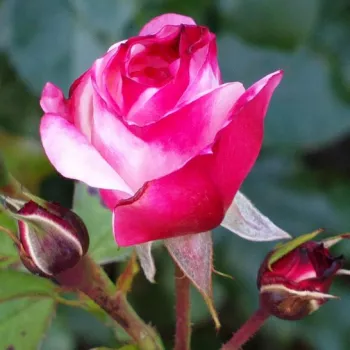
Predominantly white petals with carmine-red margins and fine pink speckles; colour lightens and edging fades in strong sun; buds narrow, conical and red-tipped; overall effect white-pink and lively. |
| Fragrance and aroma |
No noticeable fragrance; selected for visual effect and garden performance rather than scent; suits seating areas and small terraces where strongly perfumed roses could be overwhelming. |
| Hip characteristics |
Produces moderate numbers of small, spherical hips 8–12 mm wide, in bright orange-red tones; hips can extend visual interest into autumn without significantly affecting flowering performance. |
| Resistance and winter hardiness |
Good heat tolerance, requires watering only in prolonged drought; hardy to around −21 to −18 °C (RHS H7, USDA 6b); resistant to powdery mildew and black spot, moderate tolerance of rust. |
| Horticultural recommendations |
Low-maintenance floribunda rose for beds, edging, parks and urban plantings; suitable as specimen or for massing, with 50–90 cm spacing; tolerates partial shade and benefits from improved drainage on heavy soils. |
ROSENSTADT FREISING ® offers upright structure, long-season colour and low-maintenance own-root reliability for compact coastal or urban gardens, a thoughtful choice if you value enduring, easy-care planting.