SALLY KANE – cream-white hybrid tea rose - Fryer
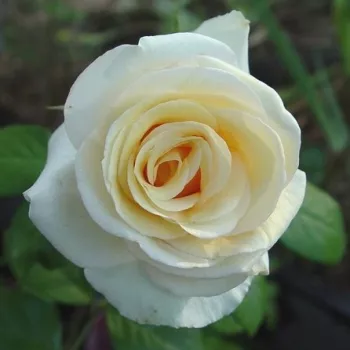
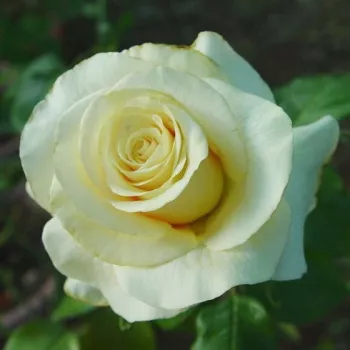
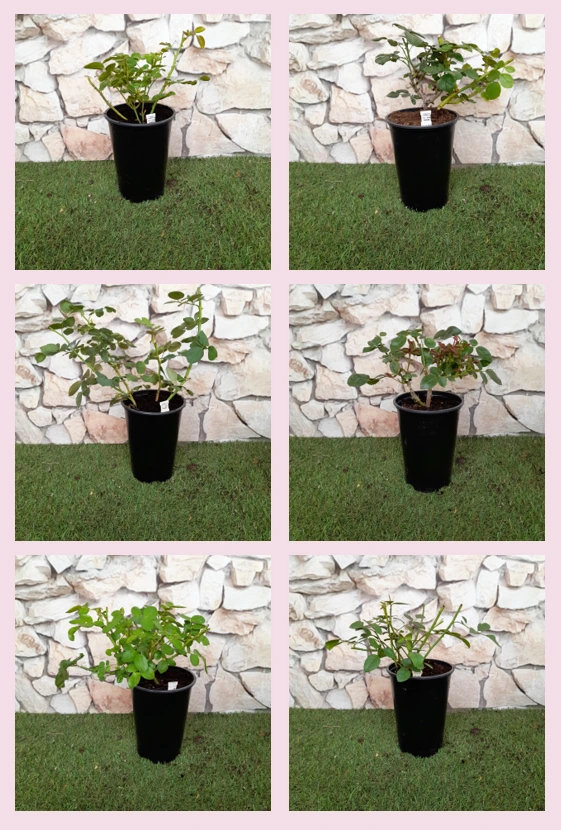
Imagine sitting down to afternoon tea, salt on your lips and hair still tousled from the breeze, sheltered behind the pure, creamy blooms of SALLY KANE. This compact hybrid tea settles calmly into British coastal gardens, its bushy form helping to temper gusty days and lessen the strain of strong sea winds on more delicate plants in your border. Large, high‑centred flowers unfold in a creamy white palette that looks effortlessly refined beside shingle, sea grasses or painted decking, while the medium, clearly noticeable fragrance adds a gentle, perfumed note to a veranda seating area. Well‑suited to containers of at least 40–50 litres, the own‑root plant quietly builds a lasting framework – roots in the first year, stronger top growth in the second, then full ornamental effect from the third – supporting years of easy enjoyment in a modest family garden.
Usage options
| Target area |
Reasoning |
| Coastal veranda windbreak |
The compact, bushy habit forms a low, steady screen that takes the sting out of brisk seaside breezes without overwhelming a small deck or balcony, giving you a calmer corner for chairs and planters, especially appreciated by coastal veranda owners. |
| Feature rose in small family border |
Its tidy 70–95 cm height fits neatly into average front or back gardens, where the refined, exhibition‑style blooms provide a focal point without demanding expert pruning skills, ideal for busy home gardeners. |
| Large container on shingle terrace |
In a 40–50 litre pot with good drainage, this variety anchors well and flowers repeatedly, bringing structure and season‑long colour to shingle or paved spaces that might otherwise feel bare, suiting space‑conscious owners. |
| Cut‑flower corner by the patio |
The high‑centred, long‑stemmed blooms were bred for cutting, so a small group near the house gives you reliable, perfumed stems for vases without sacrificing the look of the planting, appreciated by home flower arrangers. |
| “Girly” cream‑and‑pink planting strip |
The soft cream‑white flowers pair beautifully with pastel perennials and ornamental grasses, creating a light, romantic feel along paths or drives that stays elegant rather than fussy, attractive to romantic border planners. |
| Refined front‑garden specimen |
Planted alone with a neat underplanting, the glossy dark foliage and perfectly shaped flowers give a polished, well‑kept impression to visitors without you needing a show‑garden level of effort, reassuring for image‑conscious homeowners. |
| Mixed shrub and perennial bed |
Its moderate disease tolerance and dense foliage help it integrate into mixed plantings where it contributes structure and repeat flowering, trimming away old blooms as needed, manageable for casual hobby gardeners. |
| Clay‑soil coastal garden upgrade |
With improved drainage in the planting hole, it establishes steadily even where heavier soils and onshore winds meet, bringing reliable flowers and a touch of formality to otherwise rugged plots, encouraging for new coastal gardeners. |
Styling ideas
- Coastal-Terrace Calm – set in a generous container with sea kale and blue Festuca for a salty, beach‑inspired nook – for veranda owners wanting an easy seaside feel.
- Cream-Tea Corner – group three plants by a bistro set, underplant with lavender for scent on warm afternoons – for couples who enjoy relaxed weekend tea outdoors.
- Pastel-Pretty Border – weave through pale pink perennials and soft ornamental grasses to create a “girly” yet restrained palette – for fans of romantic, Instagram‑ready gardens.
- Shingle-Front Welcome – use as a specimen in a shingle front garden with low grasses to give structure without fuss – for homeowners seeking smart kerb appeal.
- Cut-Flower Strip – line a narrow bed with plants spaced for easy access, mixing in Heuchera for foliage contrast – for beginners who like bringing their own roses indoors.
Technical cultivar profile
| Characteristic |
Data |
| Name and registration |
Hybrid tea rose, registered as FRYgroovy, marketed as Sally Kane hybrid tea rose FRYgroovy; ARS approved exhibition name Sally Kane, premium silver quality rating on own-root. |
| Origin and breeding |
Bred by Gareth Fryer of Fryer’s Roses, United Kingdom; parentage unknown. Introduced and registered with PBR in 2005, originally distributed by Fryer’s Nurseries in the UK market. |
| Growth and structural characteristics |
Bushy, compact plants 70–95 cm high and 50–70 cm wide, with dense, glossy dark green foliage and moderate prickles. Spent blooms persist and usually require manual removal to maintain a tidy appearance. |
| Flower morphology |
Large, high‑centred, cut‑rose type blooms on mainly solitary stems, fully double with 26–39 petals. Performs well in repeat flowering, with an especially abundant second flush under typical garden care. |
| Colour data and phenology |
Flowers open from pale butter‑yellow buds to creamy white with champagne tones, then to near snow‑white with a pale greenish‑cream centre; colour retention is moderate, strongest effect in cooler, gentle sun. |
| Fragrance and aroma |
Medium‑strength, soft perfumed scent readily noticed at close range, lending a classic hybrid tea character. Double blooms partly cover stamens, so overall the plant is mainly ornamental rather than pollinator‑focused. |
| Hip characteristics |
Moderate production of ellipsoidal hips, 10–14 mm across, turning orange‑red as they mature. Hips add quiet seasonal interest in late summer to autumn when some spent blooms are left uncut. |
| Resistance and winter hardiness |
Moderate resistance to powdery mildew, black spot and rust; may need occasional protection in humid seasons. Hardy to around −21 to −18 °C (RHS H7, Swedish zone 3, USDA zone 6b) under typical garden conditions. |
| Horticultural recommendations |
Best in full sun, in beds, as a specimen or for cutting. Space 50–90 cm depending on use; around 3 plants/m² in mass plantings. Needs regular deadheading and standard feeding; prefers well‑drained soil. |
SALLY KANE offers compact, refined flowers, reliable repeat blooming and years of own-root resilience in borders or large containers, making it a thoughtful choice if you value quiet elegance with manageable care.