SANDRINGHAM CENTENARY™ hybrid tea rose – pharmaROSA® ORIGINAL 2-litre own-root
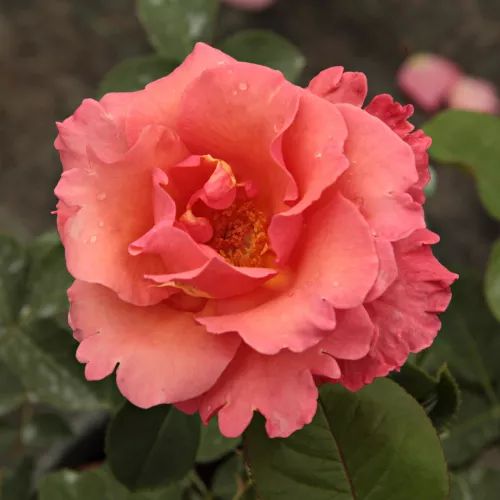
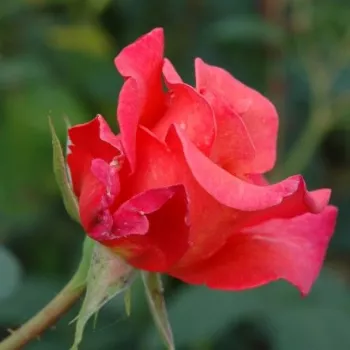
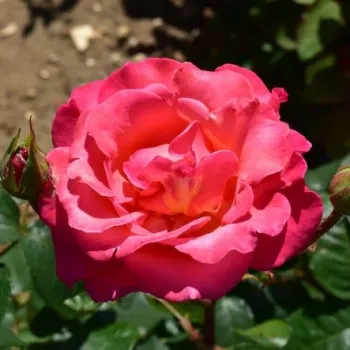
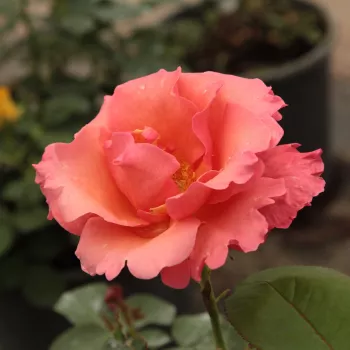
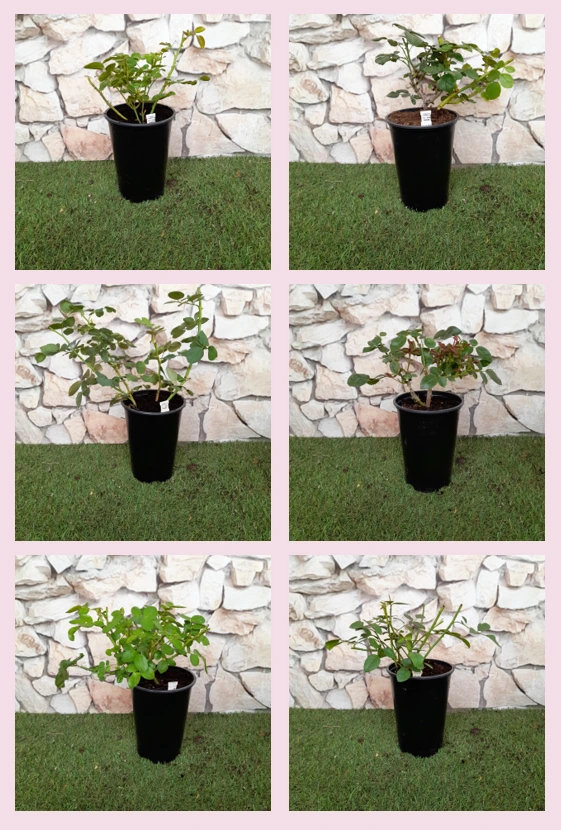
Picture a sheltered coastal veranda where you sip tea behind a gentle windbreak, your Sandringham Centenary™ glowing in warm sunlight after a breezy walk collecting seashells. This upright, bushy hybrid tea sits comfortably in the average family garden, its medium height easy to manage yet tall enough to give a sense of privacy on Cornish or Devon patios. Large, elegant, cup-shaped blooms unfold from vibrant buds into layered swirls of colour, the deep salmon-orange softening through orange-pink to a creamy blush, always with a neat, exhibition-style finish. Own-root plants develop steadily – first consolidating roots, then building shoots, and by the third year delivering full ornamental impact that endures seaside breezes and typical British weather. In a roomy border or a 40–50 litre container with good drainage, this rose offers a refined yet low-fuss focal point, combining poised structure with a mild, classic rose fragrance you will enjoy in passing, without demanding constant attention.
Usage options
| Target area |
Reasoning |
| Small coastal veranda in Cornwall or Devon |
Compact spread and upright, bushy growth let Sandringham Centenary™ slot neatly into a sheltered corner, creating a calm visual anchor that copes well with salty, windy, sunny days by the sea – ideal for coastal-style lovers |
| Feature rose in a family front garden |
The medium height and tidy hybrid tea form give a smart, welcoming accent by the front door while staying easy to prune and shape, so the rose remains presentable year after year without specialist know-how – ideal for busy homeowners |
| Cutting patch or cutting corner in the back garden |
Long-stemmed solitary blooms and generous flower size are perfect for vases; remontant flowering ensures repeat stems through the season so you can cut regularly without emptying the plant of colour – ideal for home flower arrangers |
| Mixed border with grasses and perennials |
The warm orange-pink tones blend beautifully with silvery foliage and soft grasses; own-root vigour helps the plant establish steadily among companions, keeping its place in the border over many seasons – ideal for informal border gardeners |
| Large container on a patio or balcony |
Grown in a 40–50 litre container with free-draining compost, the bushy habit and moderate spread give good structure without overwhelming the space, while the root system remains stable and regenerates well over time – ideal for urban balcony owners |
| Family seating area wind-filter planting |
Planted in a loose row, the upright bushes help filter breezes around a seating area, providing a soft screen that feels airy rather than solid, with repeat flowers adding interest throughout summer – ideal for family garden users |
| Low-maintenance home garden scheme |
Moderate disease resistance, medium maintenance needs and solid hardiness mean reliable performance with simple seasonal care; the own-root form bounces back better from setbacks, supporting a long-lived display – ideal for beginner gardeners |
| Refined courtyard or townhouse garden |
The exhibition-quality hybrid tea blooms, subtle fragrance and glossy dark foliage bring a polished, classic feel to compact spaces, giving a single, enduring focal point rather than a high-rotation planting – ideal for design-conscious owners |
Styling ideas
- Shell-Drift Border – Edge a gravel or shingle strip with Sandringham Centenary™ and sea kale, allowing warm flowers to play against blue-grey foliage – for coastal families who like relaxed, beachy planting.
- Royal Tea Corner – Place one rose in a large pot beside a bistro set, underplanted with compact lavender for fragrance – for veranda users who want a smart, easy-care tea spot.
- Sunset Ribbon – Run a loose row along a path, interspersed with Festuca and soft perennials, for a glowing dusk-time walkway – for walkers who enjoy evening strolls through the garden.
- Cottage-Courtyard Mix – Combine with hostas in a slightly shaded courtyard, letting the rose rise above lush leaves for vertical interest – for townhouse owners seeking a refined but simple structure.
- Cutting Pot Pair – Grow two plants in generous containers by the back door for quick access to stems for the vase – for home florists who like to pick on a whim.
Technical cultivar profile
| Parameter |
Data |
| Name and registration |
Sandringham Centenary™ hybrid tea rose; ARS exhibition name Sandringham Centenary; registered cultivar name Sandringham Centenary; own-root pharmaROSA® ORIGINAL 2-litre form for garden use. |
| Origin and breeding |
Bred by Wisbech Plant Co. Ltd. in the United Kingdom from ‘Queen Elizabeth’ × ‘Baccará’; introduced and registered in 1981, with verified cultivar authenticity for reliable long-term garden performance. |
| Growth and structural characteristics |
Upright, bushy hybrid tea, around 100–140 cm tall and 60–90 cm wide; moderately dense, glossy dark green foliage; moderately thorny stems; suitable for borders, hedging segments and feature planting. |
| Flower morphology |
Large, double blooms with 26–39 petals, cup-shaped with slightly ruffled edges; mainly solitary on strong stems; remontant with a generous second flush, providing a long decorative flowering season. |
| Colour data and phenology |
Warm orange-pink with a subtle salmon hue; buds vibrant orange-pink; flowers fade from deep salmon-orange through orange-pink to light pink-peach with a creamy cast; moderate colour retention in typical garden conditions. |
| Fragrance and aroma |
Mild, classic rose-like scent noticeable at close quarters without overpowering nearby seating; primarily valued for its visual display rather than strong perfume; suitable for family spaces sensitive to intense fragrance. |
| Hip characteristics |
Produces small quantities of bright red, spherical hips, around 8–12 mm in diameter; hips are mainly a seasonal decorative detail and not the primary ornamental feature of this hybrid tea rose. |
| Resistance and winter hardiness |
Hardy to approximately −21 to −18 °C (RHS H7); moderate resistance to powdery mildew, black spot and rust; benefits from good air circulation and routine monitoring in humid or high-pressure disease seasons. |
| Horticultural recommendations |
Prefers a sunny position with free-draining soil; plant 55–95 cm apart depending on use; suitable for borders, hedging runs, specimens and cutting; medium maintenance with occasional pest and disease control as needed. |
Sandringham Centenary™ offers elegant, long-stemmed blooms, compact upright growth and reliable repeat flowering in a resilient own-root form, making it a thoughtful choice for relaxed yet refined coastal or family gardens.